Basmati Rice VS Cooked Basmati Rice
A detailed nutritional comparison
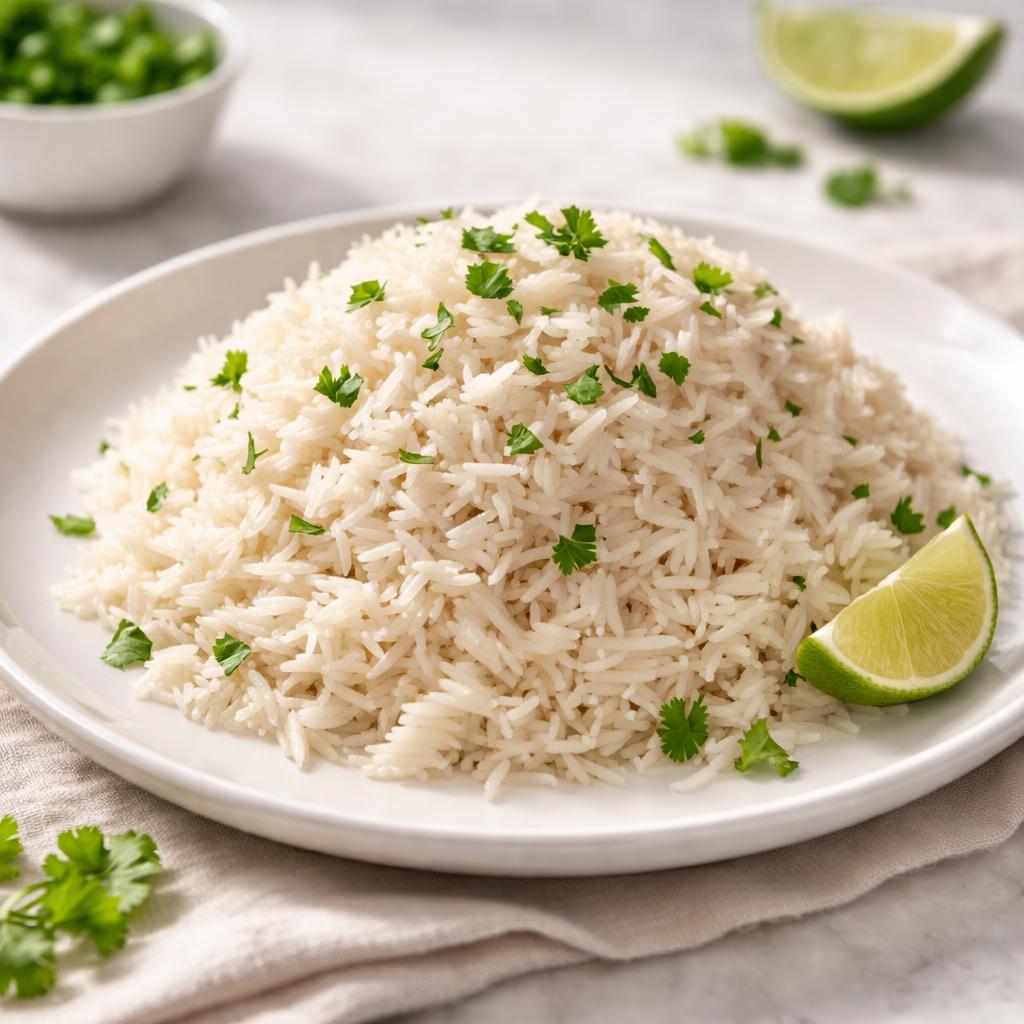
Basmati Rice
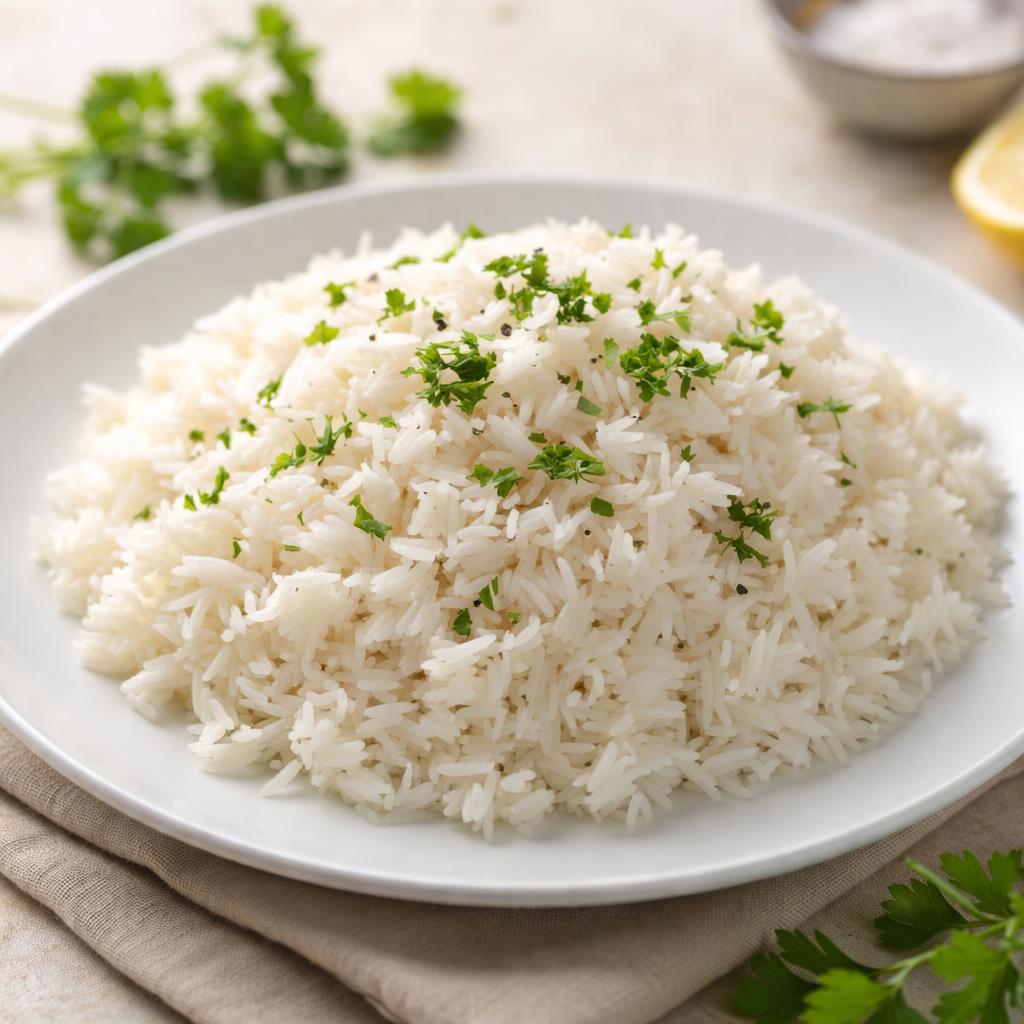
Cooked Basmati Rice
🎯 Quick Verdict
Basmati rice (uncooked) and cooked basmati rice differ primarily in preparation and water content. Cooked basmati rice has lower caloric density and is ready to consume, while uncooked basmati rice provides a more concentrated source of nutrients but requires cooking. Both are identical in macronutrient composition per cooked serving size, making them equally suitable for most diets but distinguishable by convenience and caloric density after preparation.

Smart Nutrition Tracking with SnapCalorie

📊 Nutritional Comparison
Macronutrients
| Nutrient | Food 1 | Food 2 | Winner |
|---|---|---|---|
| Calories | 365 per 100g | 130 per 100g (cooked) | ✓ |
| Protein | 7g per 100g | 2.7g per 100g (cooked) | − |
| Carbs | 77g per 100g | 28g per 100g (cooked) | − |
| Fat | 1g per 100g | 0.3g per 100g (cooked) | − |
| Fiber | 1g per 100g | 0.4g per 100g (cooked) | − |
Vitamins & Minerals
| Nutrient | Food 1 | Food 2 | Winner |
|---|---|---|---|
| Vitamin D | 0mcg | 0mcg | − |
| Calcium | 10mg per 100g | 5mg per 100g (cooked) | ✓ |
| Iron | 0.8mg per 100g | 0.2mg per 100g (cooked) | ✓ |
🏆 Category Winners
Protein
Both foods have identical protein content per serving size after cooking.
Fiber
Same fiber density in cooked servings.
Calories
Cooked basmati rice has significantly fewer calories due to water content.
Vitamins
Uncooked basmati rice retains slightly higher micronutrient levels when measured raw.
🥗 Diet Compatibility
Keto
Food 1: Not Compatible
Food 2: Not Compatible
Both are high in carbohydrates.
Vegan
Food 1: Compatible
Food 2: Compatible
Both are plant-based.
Gluten Free
Food 1: Compatible
Food 2: Compatible
Neither contains gluten.
Paleo
Food 1: Compatible
Food 2: Compatible
Both are gluten-free and fit paleo guidelines.
Low Carb
Food 1: Not Compatible
Food 2: Not Compatible
High carbohydrate content makes them unsuitable for a low-carb diet.
💪 Health Benefits Comparison
Food 1 Benefits
- Rich source of carbohydrates for energy
- Low-fat option suitable for heart health
- Provides small amounts of iron and calcium
Food 2 Benefits
- Lower caloric density due to added water during cooking
- Quick and convenient ready-to-eat source of energy
- Gentle on digestion compared to raw grains
✅ The Bottom Line
Both uncooked and cooked basmati rice provide identical macronutrient benefits when consumed as a cooked serving. Choose uncooked rice for meal prep and cost-effectiveness, while opting for cooked basmati rice for convenience and lower caloric density per gram.
Choose Food 1 for: Meal prep, bulk cooking, nutrient-dense recipes
Choose Food 2 for: Quick meals, portion control, lower calorie needs


