Basmati Rice VS Boiled Rice
A detailed nutritional comparison
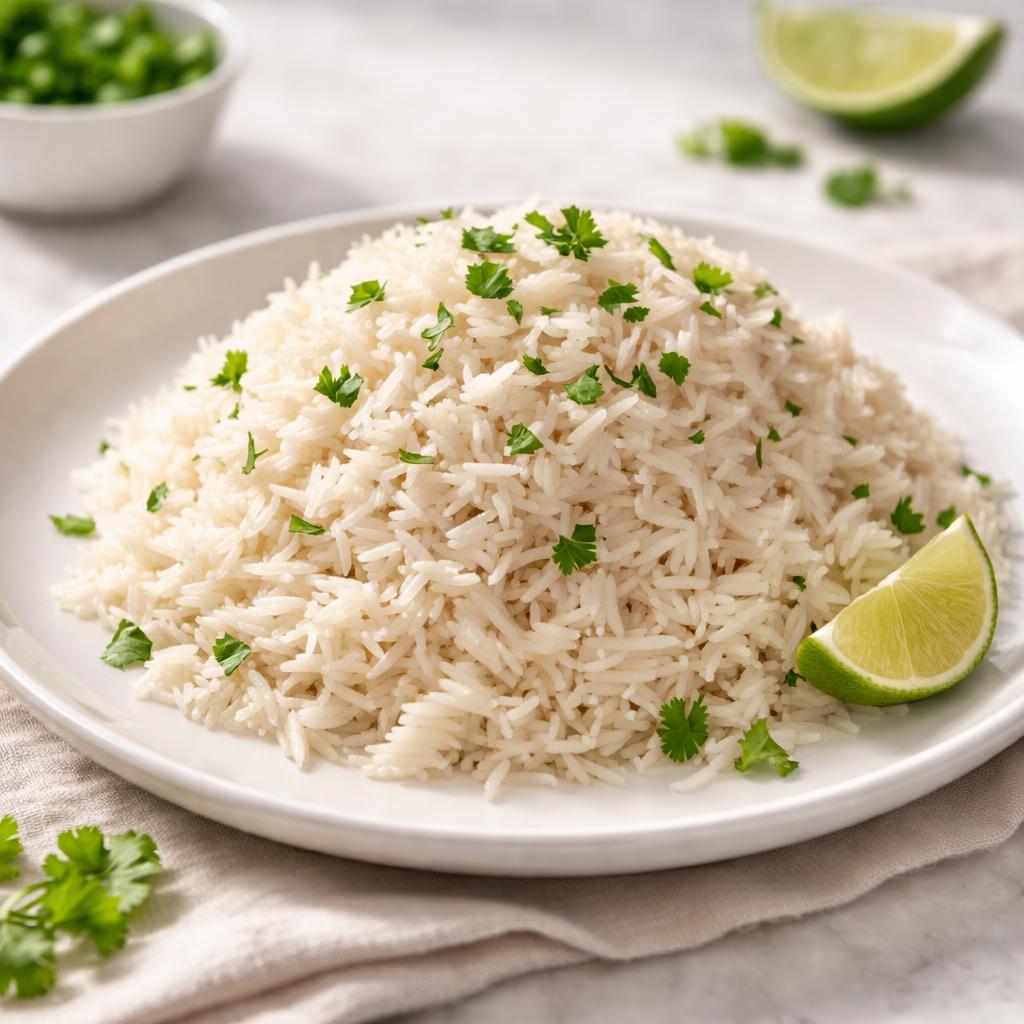
Basmati Rice
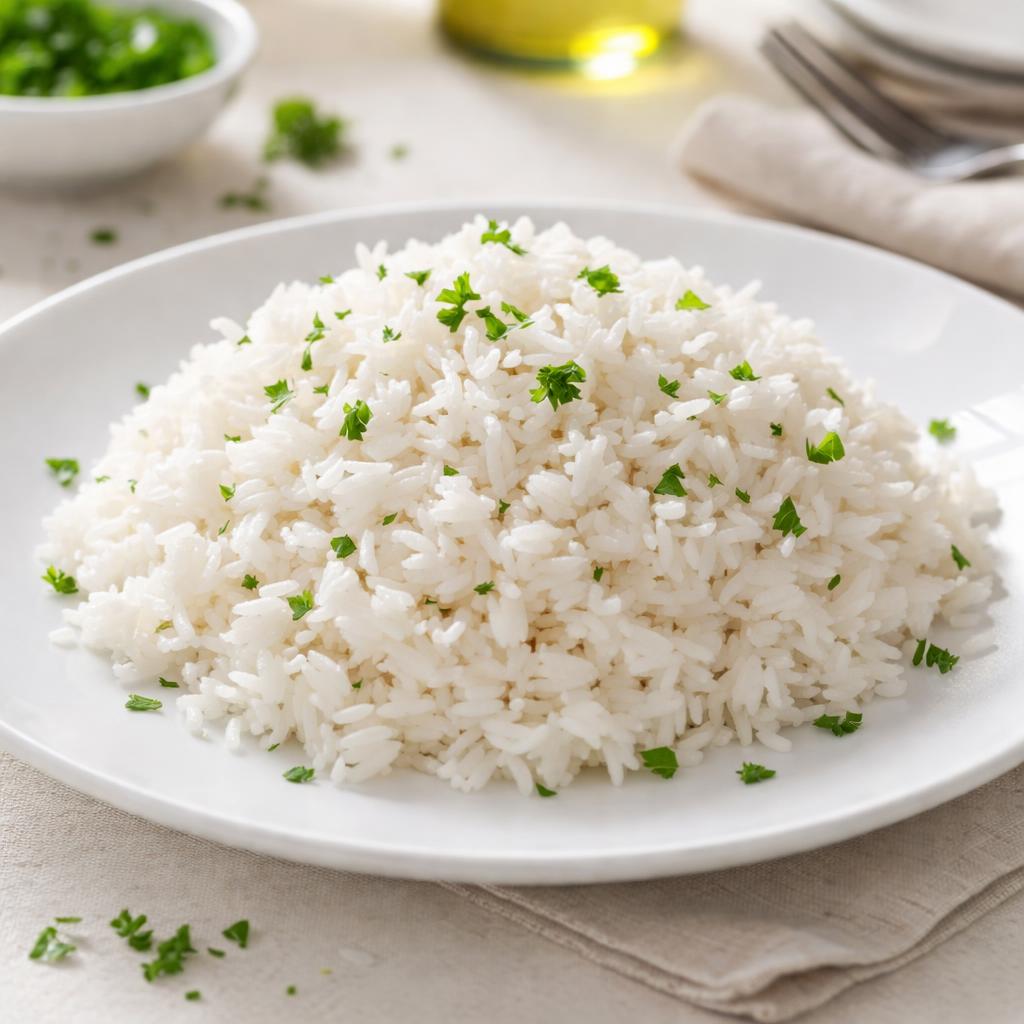
Boiled Rice
🎯 Quick Verdict
Basmati rice and boiled rice are similar in their macronutrients, with both offering comparable calorie and protein content. However, boiled rice typically provides more fiber due to differences in preparation methods. Basmati rice is fragrant and often preferred for flavor, while boiled rice is versatile and suitable for various dishes, especially when focusing on fiber and digestion support.

Smart Nutrition Tracking with SnapCalorie

📊 Nutritional Comparison
Macronutrients
| Nutrient | Food 1 | Food 2 | Winner |
|---|---|---|---|
| Calories | 200 | 200 | − |
| Protein | 4g | 4g | − |
| Carbs | 45g | 45g | − |
| Fat | 0.5g | 0.5g | − |
| Fiber | 0.5g | 1g | − |
Vitamins & Minerals
| Nutrient | Food 1 | Food 2 | Winner |
|---|---|---|---|
| Vitamin B6 | 0.3mg | 0.4mg | − |
| Thiamine (Vitamin B1) | 0.1mg | 0.1mg | − |
| Folate | 30mcg | 40mcg | − |
🏆 Category Winners
Protein
Both foods contain comparable protein levels (4g per serving).
Fiber
Boiled rice has twice the fiber content as basmati rice.
Calories
Both foods have similar caloric values (200 per serving).
Vitamins
Boiled rice offers slightly higher Vitamin B6 and folate levels.
🥗 Diet Compatibility
Keto
Food 1: Not Compatible
Food 2: Not Compatible
Both foods are high-carb and unsuitable for keto diets.
Vegan
Food 1: Compatible
Food 2: Compatible
Both are plant-based and vegan-friendly.
Gluten Free
Food 1: Compatible
Food 2: Compatible
Neither contains gluten.
Paleo
Food 1: Compatible
Food 2: Compatible
Both are minimally processed and align with paleo principles.
Low-Carb
Food 1: Not Compatible
Food 2: Not Compatible
High carbohydrate content makes both unsuitable for low-carb diets.
💪 Health Benefits Comparison
Food 1 Benefits
- Easily digestible and low in fat
- Provides quick energy from carbohydrates
- Fragrant aroma enhances flavor of dishes
Food 2 Benefits
- Higher fiber supports digestion and gut health
- Rich in folate for cellular function
- Versatile in various diets and cooking applications
✅ The Bottom Line
Choose basmati rice if you're seeking aroma, flavor, and ease of digestion. Opt for boiled rice for slightly higher fiber and vitamin content, making it more suitable for gut health support. Overall, their macros are almost identical, so selection largely depends on taste and meal goals.
Choose Food 1 for: Flavored dishes, quick energy, light meals
Choose Food 2 for: Digestive health, nutrient density, versatile recipes


