Banana VS Walnut
A detailed nutritional comparison
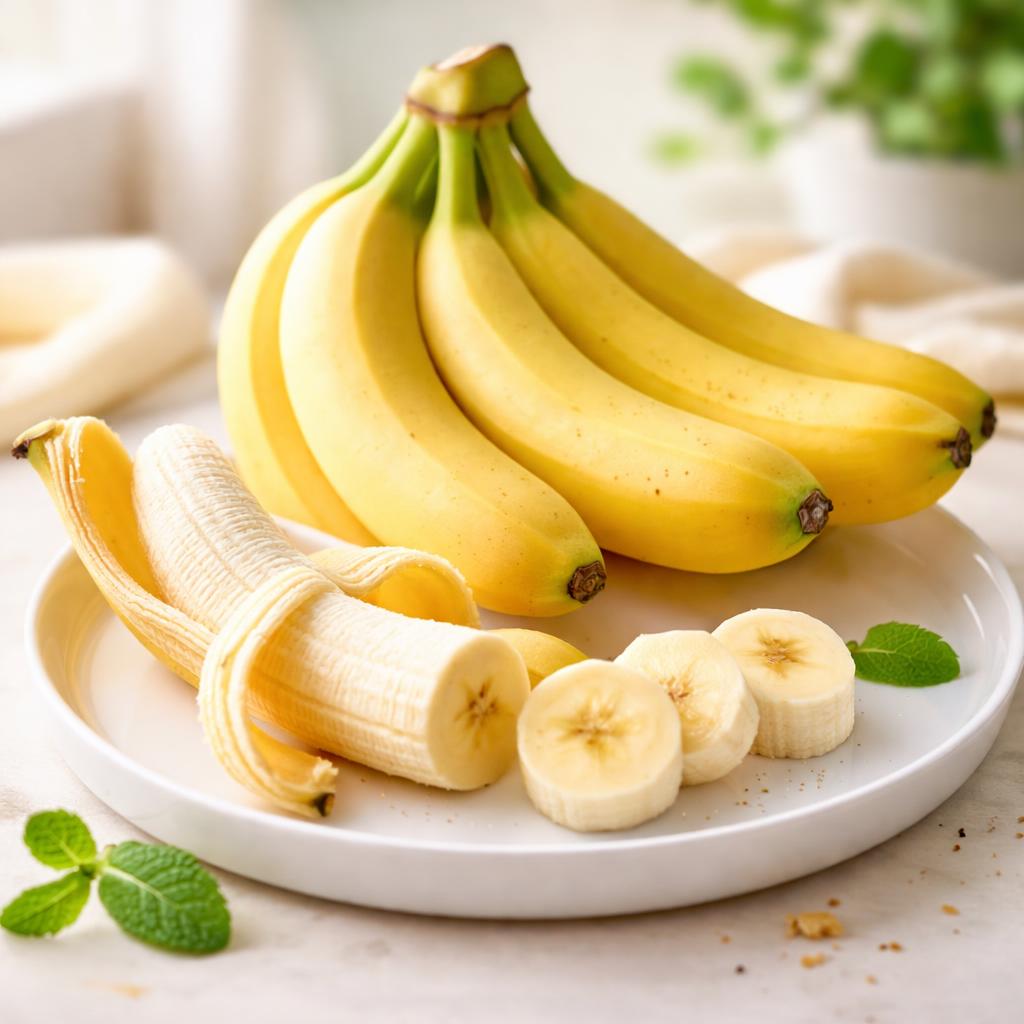
Banana
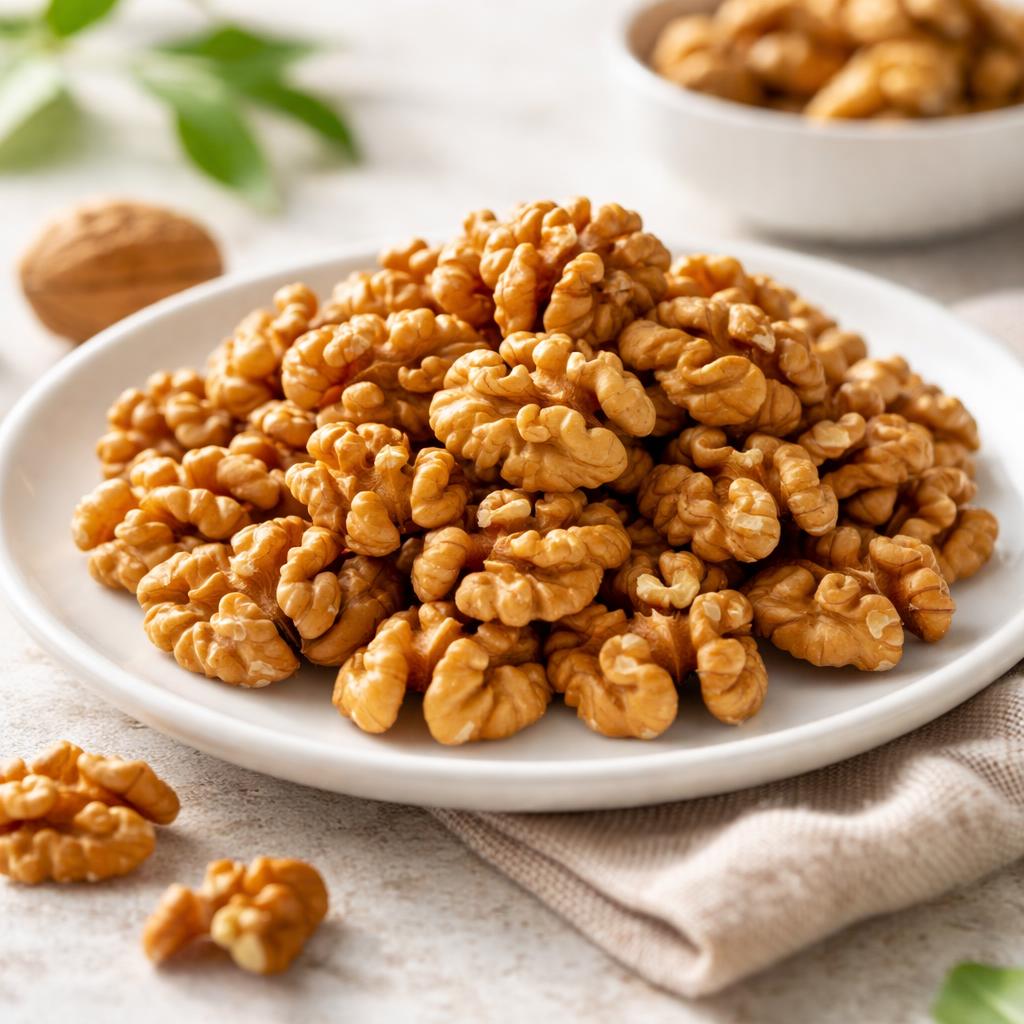
Walnut
🎯 Quick Verdict
Bananas and walnuts have distinct nutritional profiles. Bananas are lower in calories and are rich in potassium and fast-digesting carbs, making them ideal for energy and hydration. Walnuts provide healthy fats, significantly higher protein, and fiber, which promote satiety and heart health. Choose bananas for quick energy or walnuts for sustained energy and nutrient density.

Smart Nutrition Tracking with SnapCalorie

📊 Nutritional Comparison
Macronutrients
| Nutrient | Food 1 | Food 2 | Winner |
|---|---|---|---|
| Calories | 105 | 185 | ✓ |
| Protein | 1.3g | 4.3g | ✓ |
| Carbs | 27g | 4g | ✓ |
| Fat | 0.3g | 18.5g | ✓ |
| Fiber | 3.1g | 2g | ✓ |
Vitamins & Minerals
| Nutrient | Food 1 | Food 2 | Winner |
|---|---|---|---|
| Vitamin C | 10mg | 0.7mg | ✓ |
| Potassium | 422mg | 125mg | ✓ |
| Magnesium | 27mg | 45mg | ✓ |
| Iron | 0.3mg | 0.8mg | ✓ |
🏆 Category Winners
Protein
Food2 contains over 3 times more protein than food1 per serving.
Fiber
Food1 has slightly more fiber, aiding digestion and satiety.
Calories
Food1 is significantly lower in calories per serving.
Vitamins
Food1 excels in vitamin C and potassium compared to food2.
🥗 Diet Compatibility
Keto
Food 1: Not Compatible
Food 2: Compatible
Food2 is high-fat and very low-carb, whereas food1 is high-carb.
Vegan
Food 1: Compatible
Food 2: Compatible
Both foods are naturally plant-based.
Gluten Free
Food 1: Compatible
Food 2: Compatible
Neither contains gluten.
Paleo
Food 1: Compatible
Food 2: Compatible
Both are whole, unprocessed foods fitting paleo guidelines.
Low Carb
Food 1: Not Compatible
Food 2: Compatible
Food1 is high-carb, whereas food2 is much lower in carbs.
💪 Health Benefits Comparison
Food 1 Benefits
- High in potassium for heart and muscle health
- Rich in vitamin C for immune support
- Provides quick-digesting carbs for fast energy
Food 2 Benefits
- Good source of healthy fats for brain and heart health
- Contains plant-based protein for muscle repair
- Rich in antioxidants and omega-3 fatty acids
✅ The Bottom Line
Bananas are the best choice for quick energy, hydration, and light snacking. Walnuts are ideal for sustained energy, heart health, and protein needs. Consider the specific nutritional goals when choosing between the two.
Choose Food 1 for: Athletic performance, quick energy boost, light snacks
Choose Food 2 for: Heart health, weight management, muscle repair


