Banana VS Tart
A detailed nutritional comparison
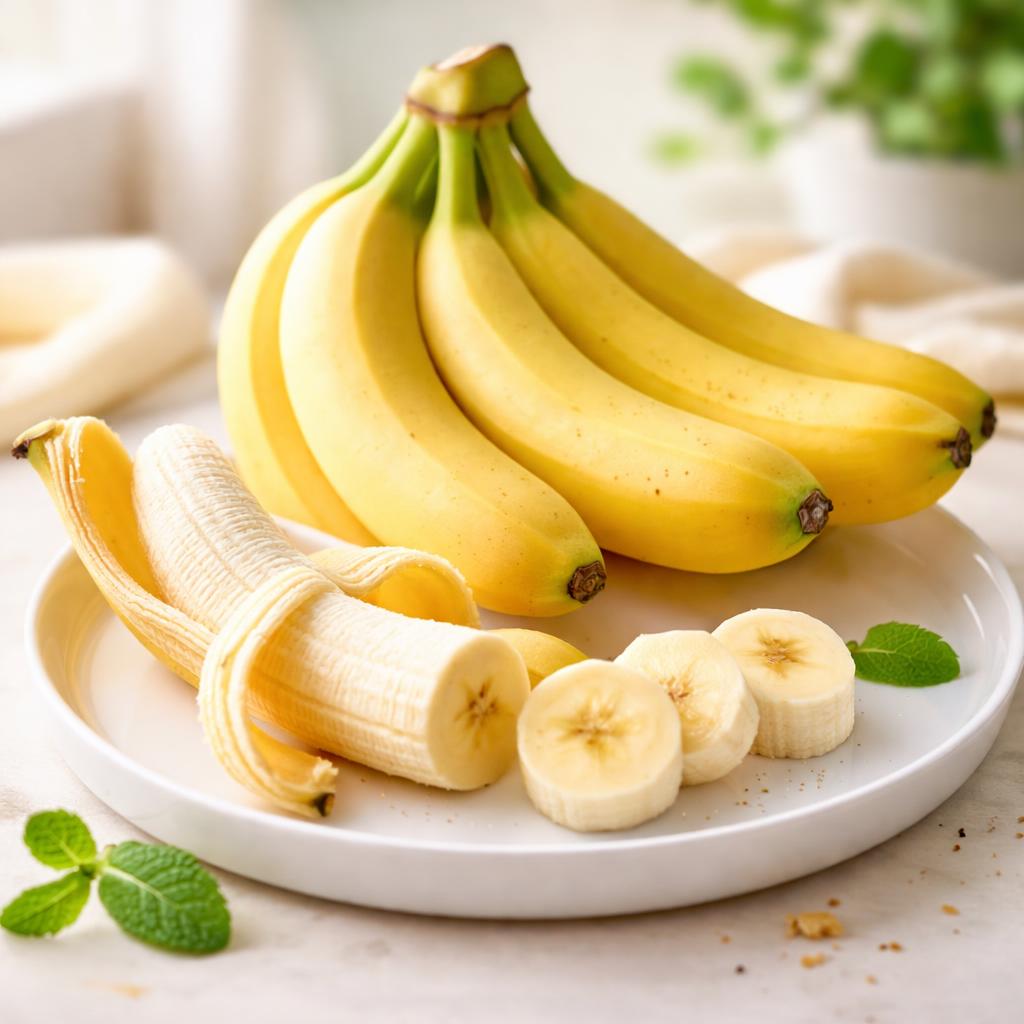
Banana

Tart
🎯 Quick Verdict
Bananas are lower in calories, higher in fiber, and contain potassium and vitamin C, making them ideal for healthy snacking or post-workout recovery. Tarts, while calorie-dense and higher in sugar, provide more versatility as a dessert but lack the nutritional benefits offered by bananas. Choose based on your energy needs and dietary goals.

Smart Nutrition Tracking with SnapCalorie

📊 Nutritional Comparison
Macronutrients
| Nutrient | Food 1 | Food 2 | Winner |
|---|---|---|---|
| Calories | 105 | 300 | ✓ |
| Protein | 1.3g | 1.2g | − |
| Carbs | 27g | 45g | ✓ |
| Fat | 0.3g | 15g | ✓ |
| Fiber | 3g | 1g | ✓ |
Vitamins & Minerals
| Nutrient | Food 1 | Food 2 | Winner |
|---|---|---|---|
| Vitamin C | 10mg | 2mg | ✓ |
| Potassium | 422mg | 60mg | ✓ |
| Calcium | 6mg | 20mg | ✓ |
🏆 Category Winners
Protein
Both foods contain approximately 1g of protein per serving.
Fiber
Banana has three times more fiber, aiding digestion.
Calories
Banana has 65% fewer calories compared to a tart.
Vitamins
Bananas excel in Vitamin C and potassium content for energy and immune support.
🥗 Diet Compatibility
Keto
Food 1: Not Compatible
Food 2: Not Compatible
Both foods are high-carb and not suitable for keto diets.
Vegan
Food 1: Compatible
Food 2: Depends
Bananas are inherently vegan. Tarts may contain animal products such as butter or eggs depending on preparation.
Gluten Free
Food 1: Compatible
Food 2: Not Compatible
Bananas are naturally gluten-free. Tarts usually contain gluten-based flour.
Paleo
Food 1: Compatible
Food 2: Not Compatible
Bananas fit into paleo diets whereas tarts, being processed and grain-based, do not.
Low Carb
Food 1: Not Compatible
Food 2: Not Compatible
Both are relatively high in carbohydrates and not advised for low-carb diets.
💪 Health Benefits Comparison
Food 1 Benefits
- High in potassium to support electrolyte balance
- Good source of Vitamin C for immune health
- Contains fiber for improved digestion
- Provides natural energy from healthy carbohydrates
Food 2 Benefits
- Rich in calories for sustained energy
- Can contain healthy fats if made with nuts or oils
- Provides a small amount of calcium for bone health
- Offers versatility as a dessert option to satisfy cravings
✅ The Bottom Line
Bananas are a better choice for weight control, digestion, and overall nutrition because they are lower in calories and richer in fiber and essential nutrients. Tarts are more appropriate as an occasional treat, offering indulgence and energy but lacking key health benefits.
Choose Food 1 for: Healthy snacking, post-workout recovery, digestion support
Choose Food 2 for: Dessert cravings, high-energy needs, special occasions


