Banana VS Sushi Bowl
A detailed nutritional comparison
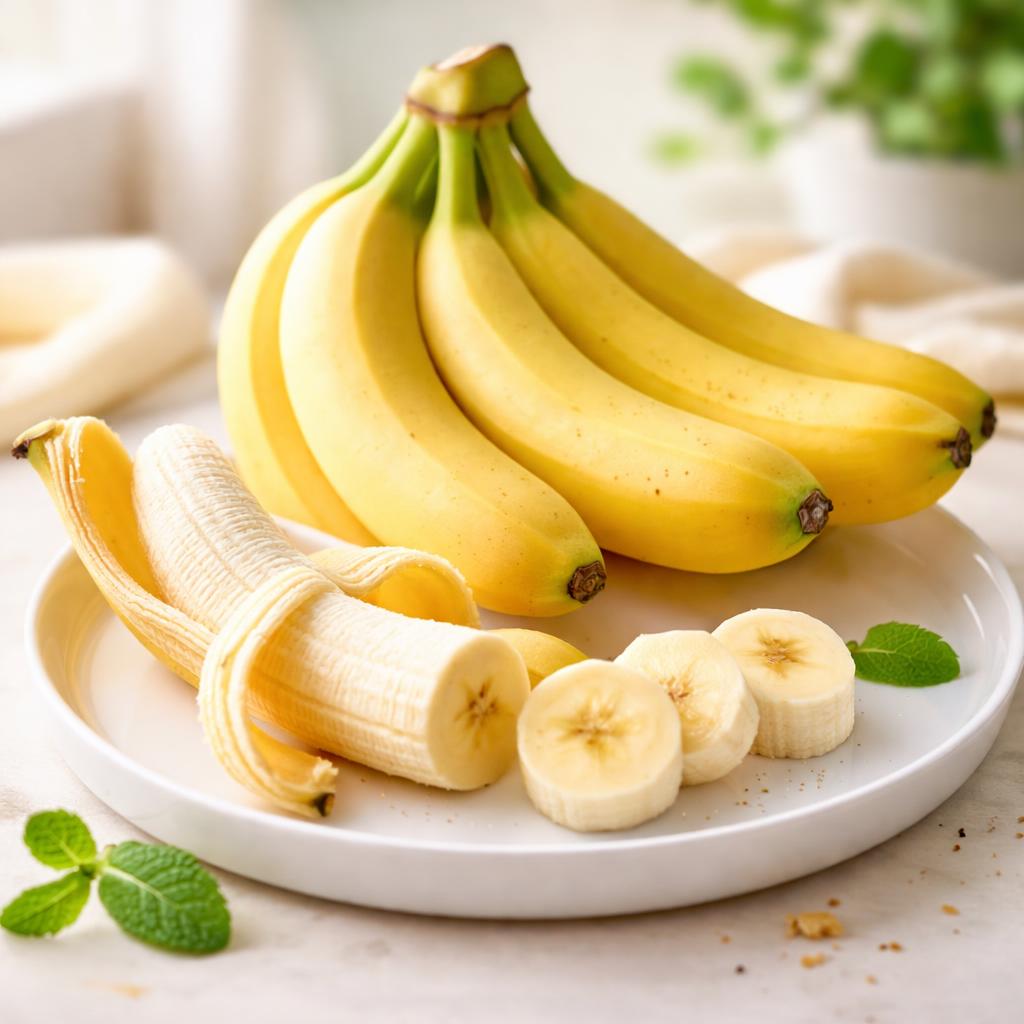
Banana
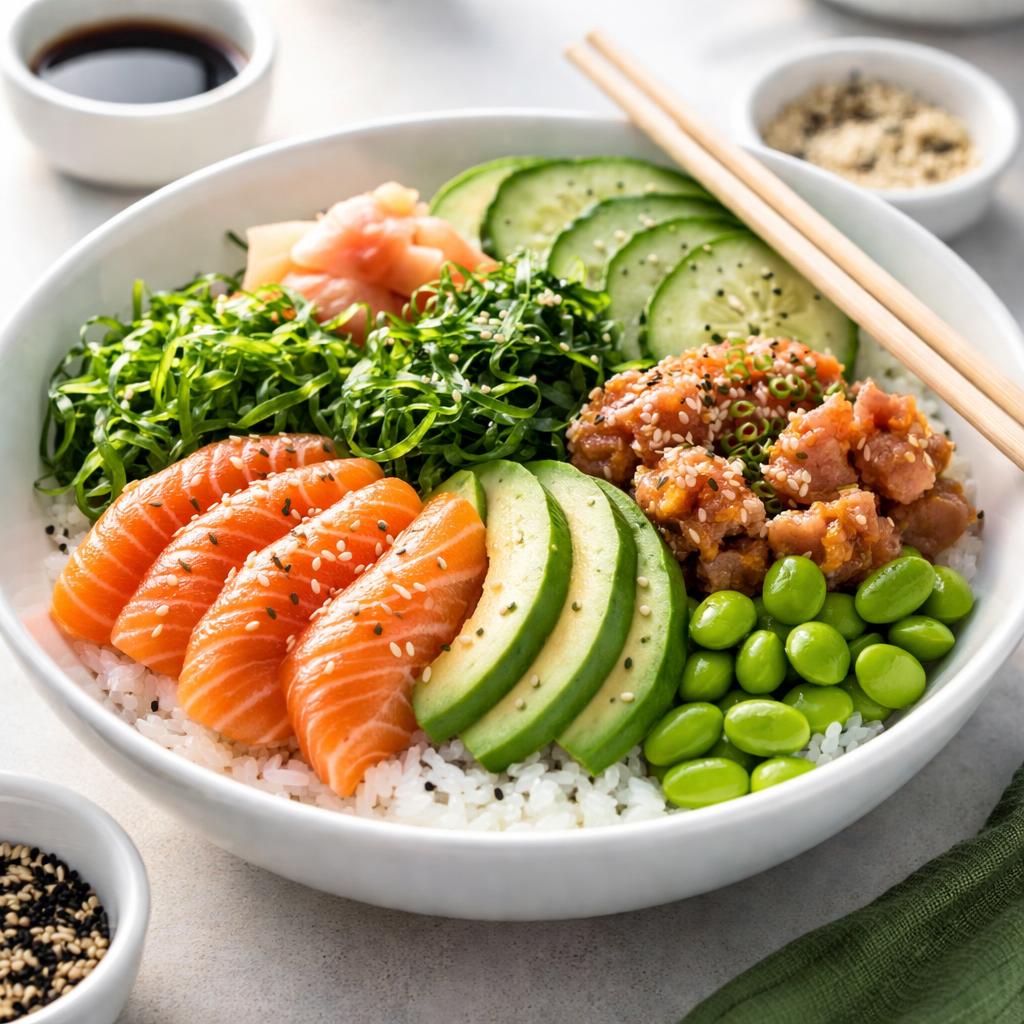
Sushi Bowl
🎯 Quick Verdict
A banana is a low-calorie, portable snack rich in fiber and quick-digesting carbs, making it ideal for pre-workout energy. Meanwhile, a sushi bowl is higher in protein and nutrient density, better suited for a filling, balanced meal. The banana excels in fiber and ease of consumption, while the sushi bowl is better for a complete macronutrient profile and meal replacement option.

Smart Nutrition Tracking with SnapCalorie

📊 Nutritional Comparison
Macronutrients
| Nutrient | Food 1 | Food 2 | Winner |
|---|---|---|---|
| Calories | 105 | 400 | − |
| Protein | 1.3g | 25g | − |
| Carbs | 27g | 45g | − |
| Fat | 0.3g | 12g | − |
| Fiber | 3.1g | 2g | − |
Vitamins & Minerals
| Nutrient | Food 1 | Food 2 | Winner |
|---|---|---|---|
| Vitamin C | 10mg | 4mg | − |
| Vitamin D | 0mcg | 5mcg | − |
| Calcium | 5mg | 20mg | − |
| Iron | 0.3mg | 2mg | − |
🏆 Category Winners
Protein
Sushi bowl has nearly 20x more protein per serving, ideal for muscle-building.
Fiber
Banana contains over 1g more fiber, supporting digestion and fullness.
Calories
Banana is much lower in calories, suitable for weight management or quick energy.
Vitamins
Sushi bowl offers Vitamin D and more comprehensive mineral content, including calcium and iron.
🥗 Diet Compatibility
Keto
Food 1: Not Compatible
Food 2: Partially Compatible
Banana is high in carbs. Sushi bowls could fit if made with cauliflower rice and low-carb ingredients.
Vegan
Food 1: Compatible
Food 2: Not Compatible
Bananas are plant-based, but sushi bowls traditionally include fish or seafood.
Gluten Free
Food 1: Compatible
Food 2: Partially Compatible
Banana is naturally gluten-free. Sushi bowls can be made gluten-free if tamari or coconut aminos replace soy sauce.
Paleo
Food 1: Compatible
Food 2: Partially Compatible
Banana is paleo-friendly. Sushi bowls can be paleo-friendly with raw fish and no processed ingredients like white rice.
Low-Carb
Food 1: Not Compatible
Food 2: Partially Compatible
Banana is high in carbohydrates. Sushi bowls may fit if made with low-carb substitutes such as zucchini or cauliflower rice.
💪 Health Benefits Comparison
Food 1 Benefits
- Rich in potassium to support heart health and muscle function
- Provides natural sugars for quick energy
- High in dietary fiber which aids in digestion
- Contains Vitamin C to boost immunity
Food 2 Benefits
- High in protein to promote muscle repair and maintenance
- Contains omega-3 fatty acids for brain and heart health (if raw fish is included)
- Provides a variety of vitamins and minerals such as iron and calcium
- Filling and nutrient-dense, suitable as a balanced meal
✅ The Bottom Line
Choose bananas for a quick, portable snack or pre-workout energy. Opt for a sushi bowl when you need a nutrient-dense and protein-rich meal. Both have their place depending on your goals and timing.
Choose Food 1 for: Pre-workout energy, quick snack, digestive health
Choose Food 2 for: Post-workout recovery, meal replacement, balanced macronutrient intake


