Banana VS Snack
A detailed nutritional comparison
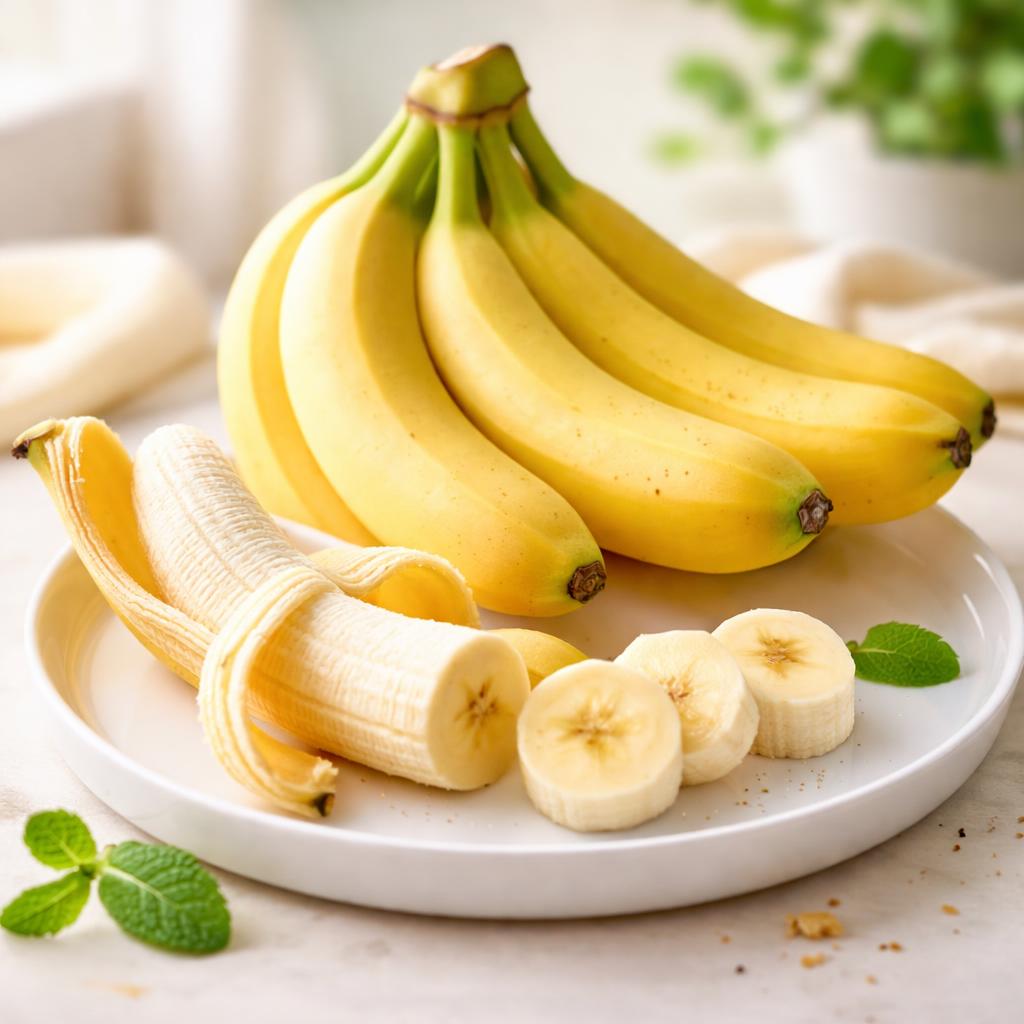
Banana
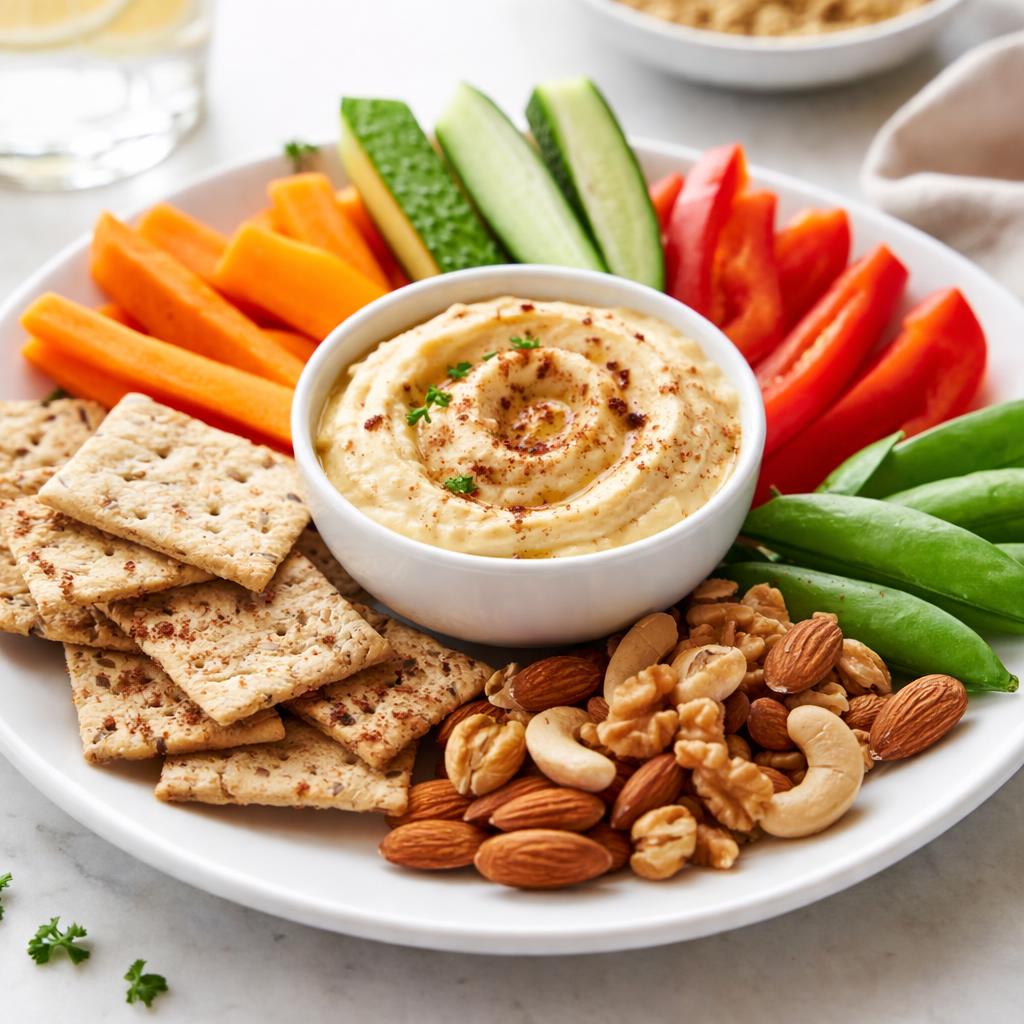
Snack
🎯 Quick Verdict
Bananas are a nutrient-dense fruit offering fewer calories, higher fiber, and vitamins compared to the average snack, which typically contains more fat, added sugar, and processed ingredients. Bananas are ideal for quick energy and digestion, while snacks are better suited for indulgence and varied nutrient profiles when chosen carefully.

Smart Nutrition Tracking with SnapCalorie

📊 Nutritional Comparison
Macronutrients
| Nutrient | Food 1 | Food 2 | Winner |
|---|---|---|---|
| Calories | 105 | 200 | ✓ |
| Protein | 1.3g | 1.3g | − |
| Carbs | 27g | 22g | ✓ |
| Fat | 0.3g | 10g | ✓ |
| Fiber | 3.1g | 1g | ✓ |
Vitamins & Minerals
| Nutrient | Food 1 | Food 2 | Winner |
|---|---|---|---|
| Vitamin C | 10mg | 1mg | ✓ |
| Potassium | 422mg | 50mg | ✓ |
| Iron | 0.3mg | 0.1mg | ✓ |
🏆 Category Winners
Protein
Both foods contain equal protein levels of 1.3g per serving.
Fiber
Bananas contain more than triple the amount of fiber compared to a snack (3.1g vs 1g).
Calories
Bananas have almost half the calories of an average snack (105 vs 200).
🥗 Diet Compatibility
Keto
Food 1: Not Compatible
Food 2: Maybe Compatible
Bananas are high-carb while snacks vary but can have lower-carb options.
Vegan
Food 1: Compatible
Food 2: Varies
Bananas are plant-based, while snacks may contain animal products like dairy or gelatin.
Gluten Free
Food 1: Compatible
Food 2: Varies
Bananas do not contain gluten, but snacks require verification of ingredients.
Paleo
Food 1: Compatible
Food 2: Not Compatible
Bananas are whole foods, while most snacks are processed and likely not paleo-friendly.
Low-Carb
Food 1: Not Compatible
Food 2: Varies
Bananas are high in carbs, but some snacks may fit low-carb diets depending on formulation.
💪 Health Benefits Comparison
Food 1 Benefits
- Rich in fiber for supporting digestion
- Natural source of energy due to carbohydrate content
- High potassium content for heart health and muscle function
- Provides vitamin C for immune support
Food 2 Benefits
- May provide varied nutrients depending on type of snack
- Often fortified with minerals like iron or calcium
- Contains fats that may support satiety (if healthy fats are present)
- Can be a quick and convenient energy source
✅ The Bottom Line
For a natural, fiber-rich, low-calorie option, bananas are the winner and are best suited for energy boosts, digestion, and overall health. Snacks, while more calorie-dense and often processed, can provide fats and other nutrients, depending on the type chosen.
Choose Food 1 for: Digestive health, quick energy, post-workout recovery
Choose Food 2 for: Convenience, indulgence, varied nutrient profiles


