Banana VS Small Banana
A detailed nutritional comparison
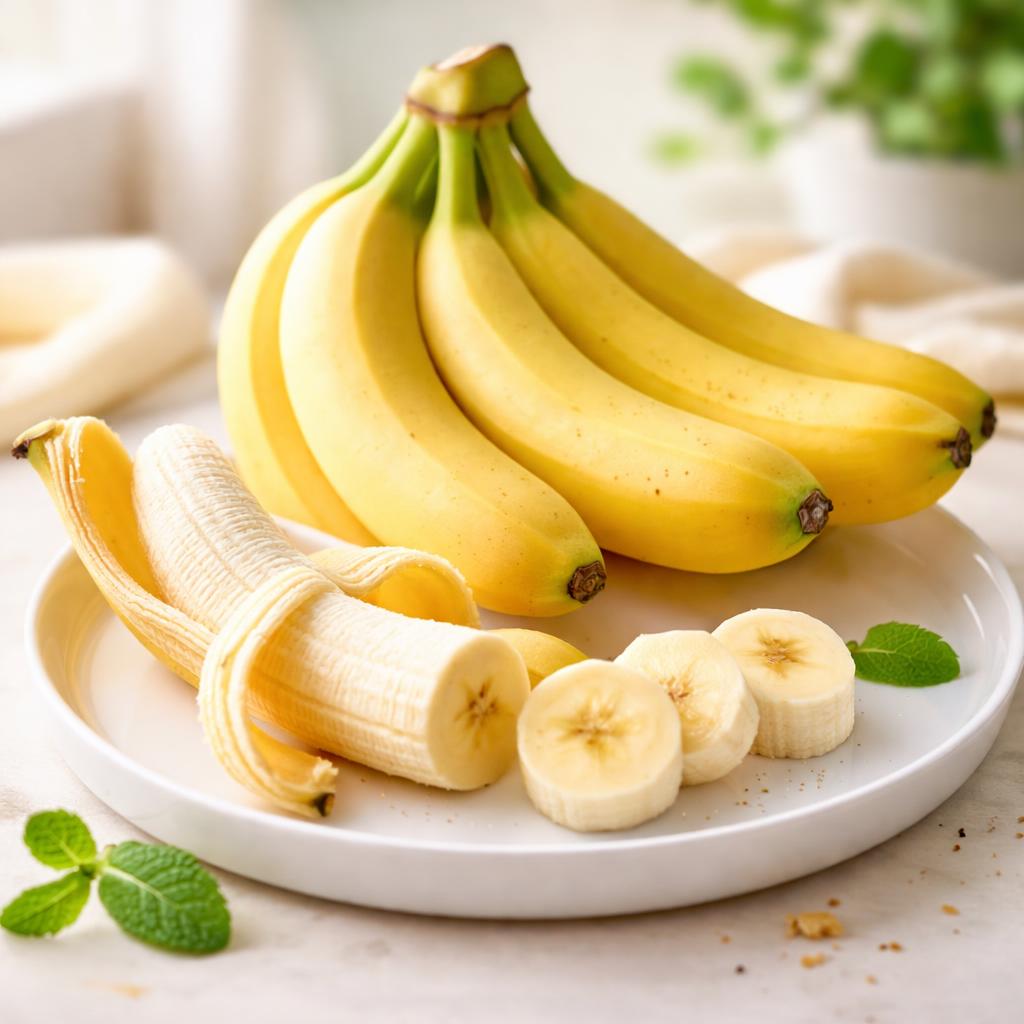
Banana
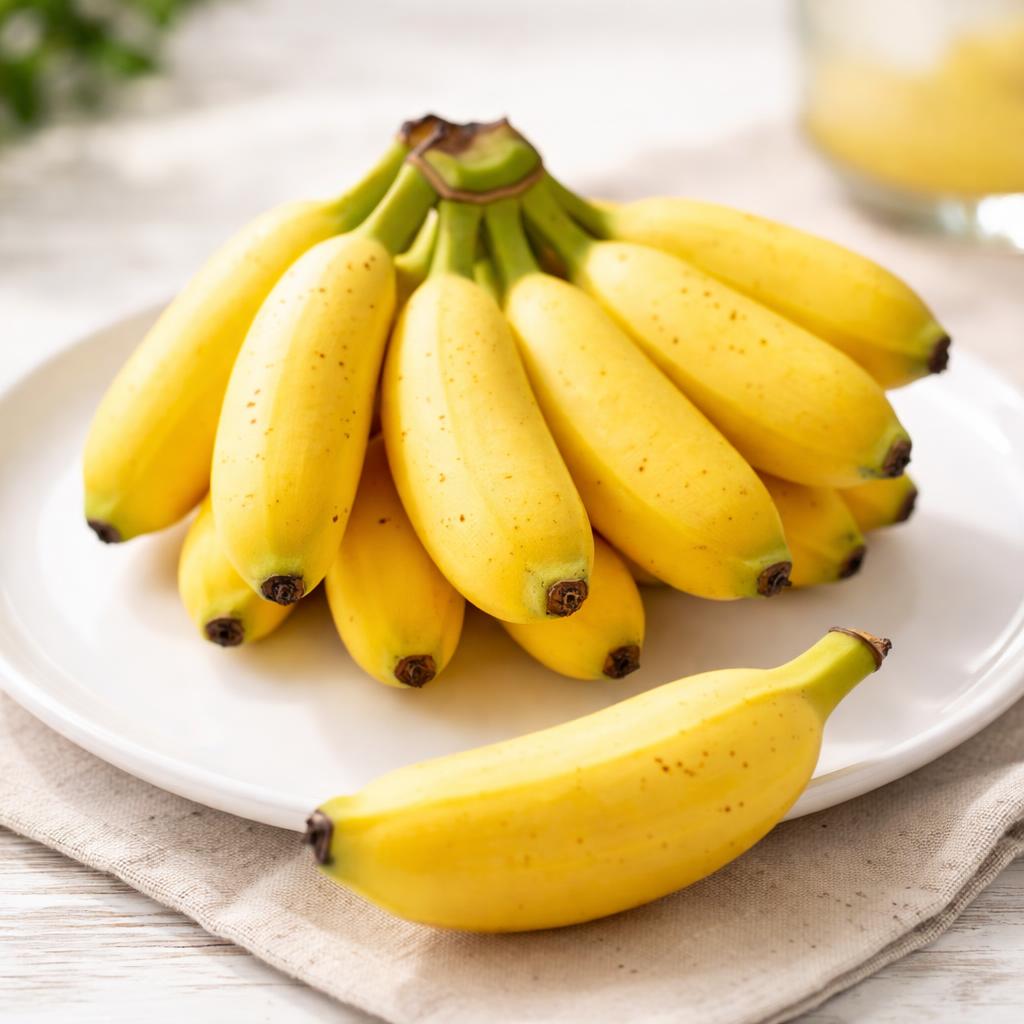
Small Banana
🎯 Quick Verdict
A banana and a small banana are very similar nutritionally, with the small banana providing slightly fewer calories and grams of macronutrients due to its smaller size. Both are excellent sources of energy, potassium, and natural sugars, making them ideal for snacking and quick boosts of nutrition.

Smart Nutrition Tracking with SnapCalorie

📊 Nutritional Comparison
Macronutrients
| Nutrient | Food 1 | Food 2 | Winner |
|---|---|---|---|
| Calories | 105 | 90 | ✓ |
| Protein | 1.3g | 1.1g | − |
| Carbs | 27g | 23g | ✓ |
| Fat | 0.3g | 0.2g | − |
| Fiber | 3.1g | 2.6g | − |
Vitamins & Minerals
| Nutrient | Food 1 | Food 2 | Winner |
|---|---|---|---|
| Potassium | 422mg | 358mg | ✓ |
| Vitamin C | 10mg | 9mg | − |
| Vitamin B6 | 0.4mg | 0.3mg | − |
🏆 Category Winners
Protein
Both foods have very similar protein content, differing only slightly by 0.2g.
Fiber
The difference in fiber between the two bananas is minor and nearly identical.
Calories
The small banana has approximately 15 fewer calories per serving.
Vitamins
They both provide similar levels of key vitamins like potassium and vitamin C.
🥗 Diet Compatibility
Keto
Food 1: Not Compatible
Food 2: Not Compatible
Both bananas are high in carbohydrates and not suitable for strict keto diets.
Vegan
Food 1: Compatible
Food 2: Compatible
Both are plant-based and suitable for vegans.
Gluten Free
Food 1: Compatible
Food 2: Compatible
Neither contains gluten.
Paleo
Food 1: Compatible
Food 2: Compatible
Bananas are naturally occurring fruits and work for paleo diets.
Low-Carb
Food 1: Not Compatible
Food 2: Not Compatible
Both contain a high amount of carbs, primarily from natural sugars, making them less ideal for low-carb diets.
💪 Health Benefits Comparison
Food 1 Benefits
- Rich source of potassium for heart and muscle health
- Provides quick energy thanks to natural sugars
- Contains vitamin B6, supporting brain health
- Aids in digestion due to dietary fiber content
Food 2 Benefits
- Provides a slightly lighter option than regular bananas (lower calories)
- Rich in potassium for electrolytic balance
- Good source of dietary fiber for gut health
- Provides natural sugars for sustained energy
✅ The Bottom Line
Both foods are nutritionally similar, with the small banana being a slightly lighter choice for those mindful of calorie intake. Choose a regular banana for a more substantial snack or a small banana for a lighter energy boost.
Choose Food 1 for: Energy boost, post-workout, general snacking
Choose Food 2 for: Low-calorie snacking, portion-controlled diets, quick energy boost


