Banana VS Salt
A detailed nutritional comparison
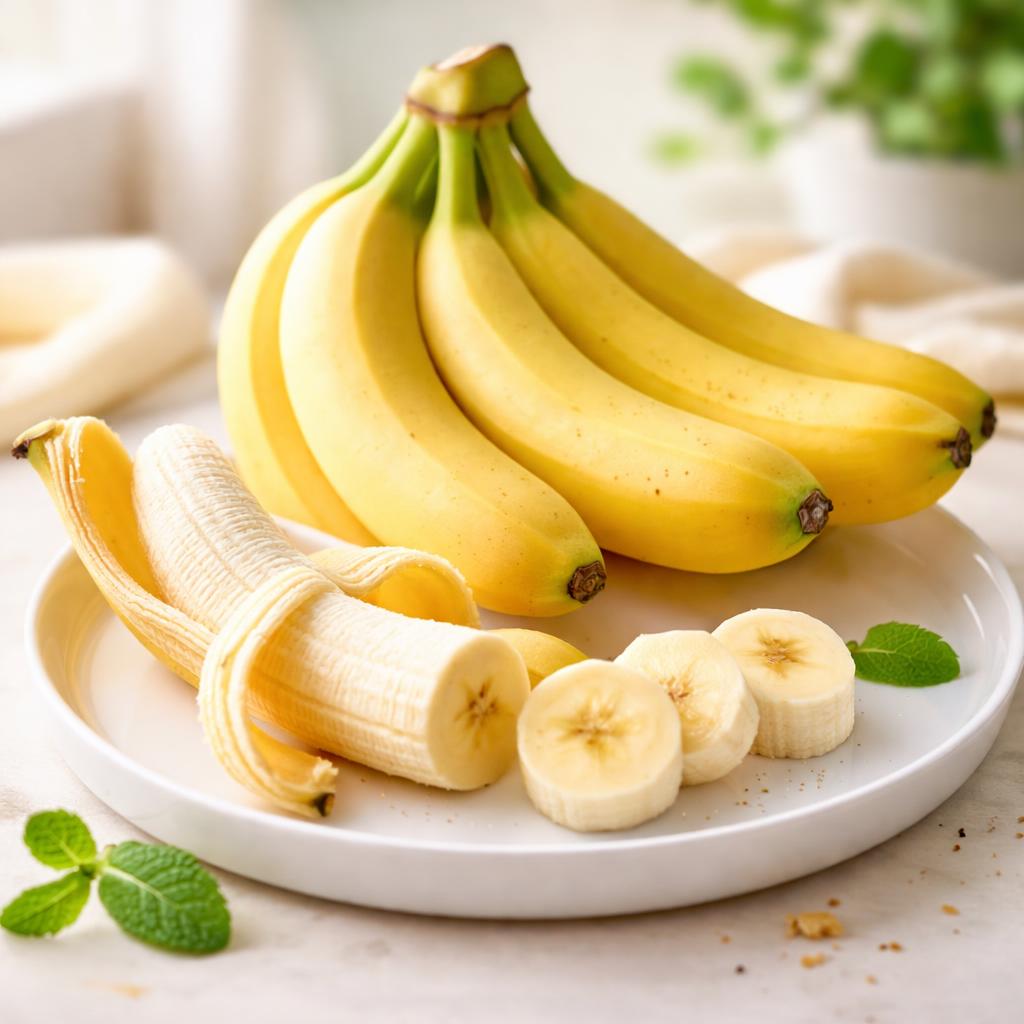
Banana
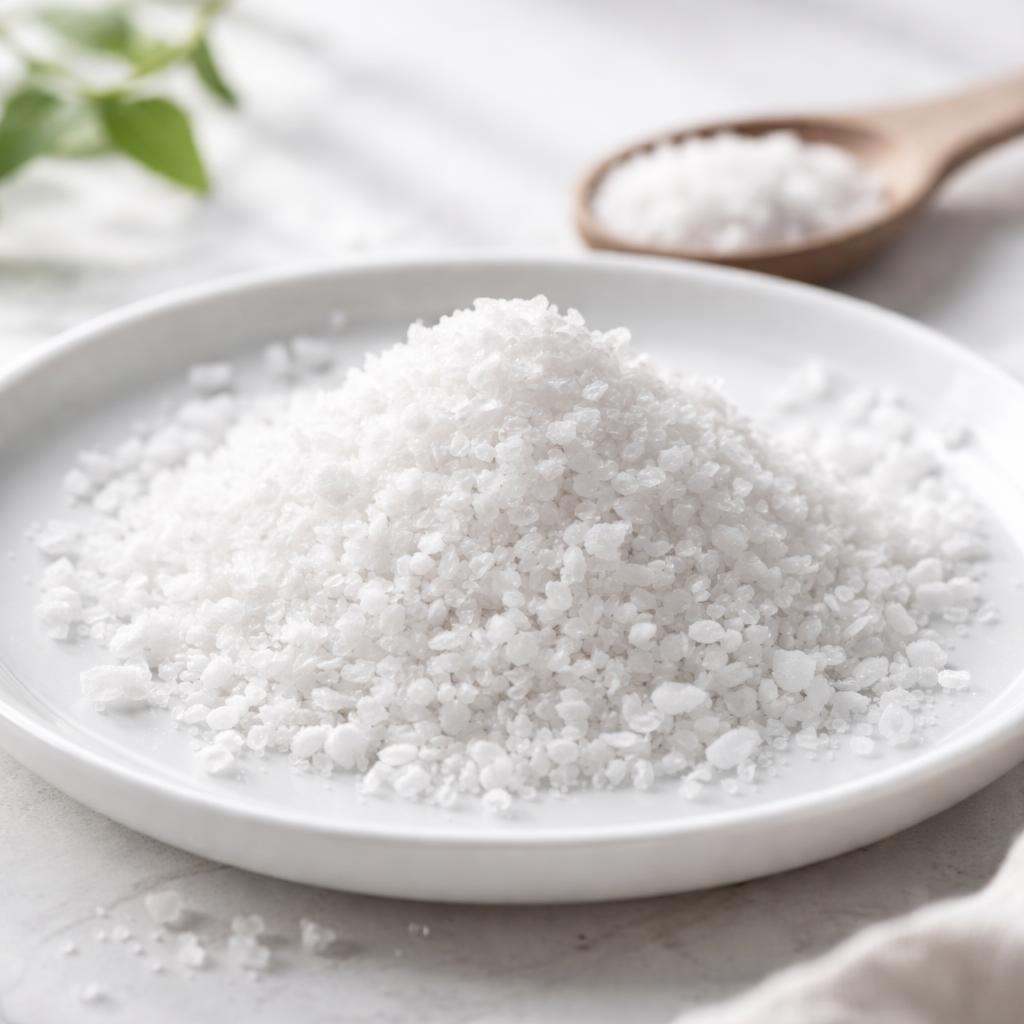
Salt
🎯 Quick Verdict
Food1 (banana) is a nutrient-dense fruit, rich in fiber, potassium, and natural sugars. On the other hand, Food2 (salt) contains essentially zero calories or macronutrients, but is solely a source of dietary sodium. Bananas are ideal for snacking and maintaining energy, while salt is important for seasoning and electrolyte balance in moderation.

Smart Nutrition Tracking with SnapCalorie

📊 Nutritional Comparison
Macronutrients
| Nutrient | Food 1 | Food 2 | Winner |
|---|---|---|---|
| Calories | 105 | 0 | ✓ |
| Protein | 1.3g | 0g | − |
| Carbs | 27g | 0g | ✓ |
| Fat | 0.3g | 0g | − |
| Fiber | 3.1g | 0g | ✓ |
Vitamins & Minerals
| Nutrient | Food 1 | Food 2 | Winner |
|---|---|---|---|
| Potassium | 422mg | 0mg | ✓ |
| Vitamin C | 10.3mg | 0mg | ✓ |
| Vitamin B6 | 0.4mg | 0mg | ✓ |
| Sodium | 1mg | 2325mg | ✓ |
🏆 Category Winners
Protein
Neither food contains significant protein.
Fiber
Food1 provides 3.1g of fiber, while Food2 has none.
Calories
Food2 has 0 calories compared to Food1's 105 calories.
Vitamins
Food1 contains essential vitamins like vitamin C, potassium, and B6 unavailable in Food2.
🥗 Diet Compatibility
Keto
Food 1: Not Compatible
Food 2: Compatible
Food1 is high in carbohydrates, making it unsuitable for keto diets, while Food2 fits due to its zero-carb nature.
Vegan
Food 1: Compatible
Food 2: Compatible
Both foods are plant-based and vegan-friendly.
Gluten Free
Food 1: Compatible
Food 2: Compatible
Neither food contains gluten.
Paleo
Food 1: Compatible
Food 2: Partially Compatible
Food1 is paleo-friendly, though excessive salt is not ideal for strict paleo diets.
Low Carb
Food 1: Not Compatible
Food 2: Compatible
Food1 has 27g of carbs, disqualifying it from low-carb diets, while Food2 contains no carbs.
💪 Health Benefits Comparison
Food 1 Benefits
- Rich source of potassium to help regulate blood pressure.
- Provides natural sugars for quick energy.
- Contains fiber to support digestion.
- Includes vitamin C to boost immune health.
Food 2 Benefits
- Provides sodium important for balancing electrolytes.
- Enhances the flavor of food, encouraging varied diet consumption.
- Helps maintain proper fluid balance in the body.
- Can be therapeutic in moderation, such as in electrolyte replenishment.
✅ The Bottom Line
Bananas are far superior to salt nutritionally, offering a wide array of vitamins, minerals, and fiber. Salt, however, is critical in small amounts for electrolyte balance but should be consumed in moderation to avoid excess sodium. Choose bananas for energy and nutrients, and use salt for flavoring and electrolyte balance.
Choose Food 1 for: Snacking, energy boost, digestive health
Choose Food 2 for: Seasoning, electrolyte balance, fluid retention


