Banana VS Rice Crispy Treat
A detailed nutritional comparison
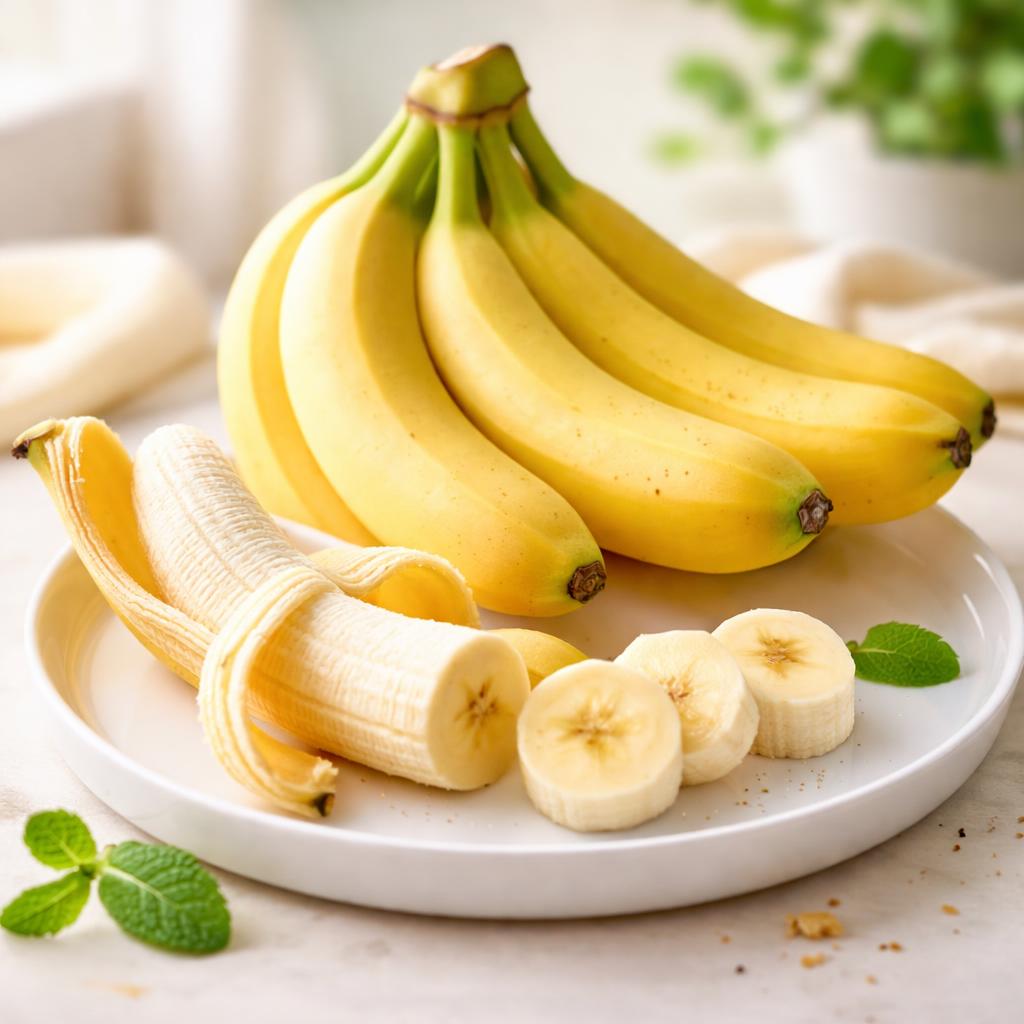
Banana
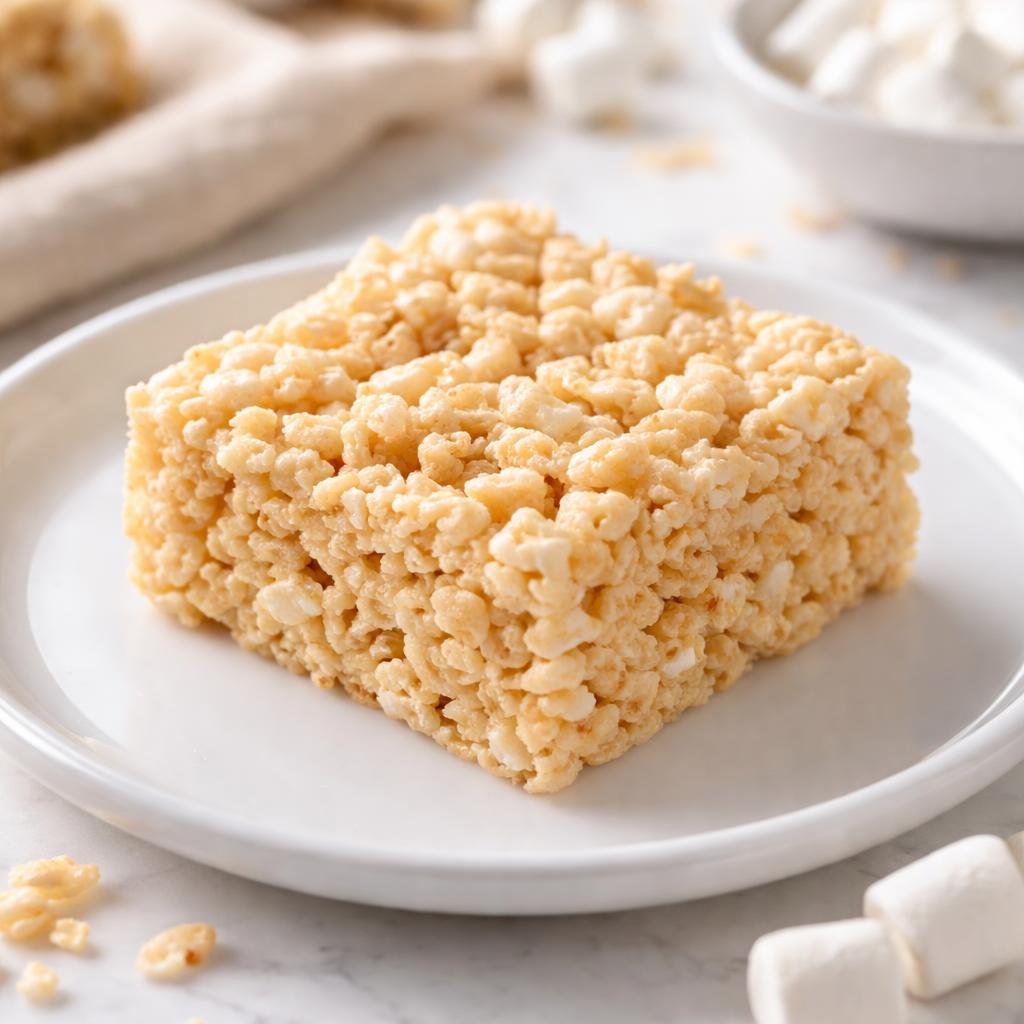
Rice Crispy Treat
🎯 Quick Verdict
Bananas and rice crispy treats offer vastly different nutritional profiles. Bananas provide essential vitamins, fiber, and lower calories, making them ideal for a healthy snack or as a source of quick energy. Rice crispy treats are higher in sugar and carbohydrates but lack significant micronutrient value, making them more suitable as an occasional treat or energy boost during endurance events.

Smart Nutrition Tracking with SnapCalorie

📊 Nutritional Comparison
Macronutrients
| Nutrient | Food 1 | Food 2 | Winner |
|---|---|---|---|
| Calories | 105 | 150 | − |
| Protein | 1.3g | 1.3g | − |
| Carbs | 27g | 30g | − |
| Fat | 0.3g | 5g | − |
| Fiber | 3g | 0g | − |
Vitamins & Minerals
| Nutrient | Food 1 | Food 2 | Winner |
|---|---|---|---|
| Vitamin C | 10.3mg | 0mg | − |
| Potassium | 422mg | 20mg | − |
| Iron | 0.3mg | 0.1mg | − |
🏆 Category Winners
Protein
Both foods provide 1.3g of protein per serving.
Fiber
Banana has 3g of fiber while rice crispy treats contain no fiber.
Calories
Banana has 105 calories compared to 150 in rice crispy treats.
Vitamins
Banana is rich in Vitamin C, potassium, and more micronutrients, while rice crispy treats offer negligible vitamins.
🥗 Diet Compatibility
Keto
Food 1: Unknown
Food 2: Unknown
Both are high in carbohydrates, making them unsuitable for keto diets.
Vegan
Food 1: Unknown
Food 2: Unknown
Bananas are plant-based. Rice crispy treats may not be vegan if they contain marshmallows with gelatin.
Gluten Free
Food 1: Unknown
Food 2: Unknown
Bananas are naturally gluten-free. Rice crispy treats may contain gluten depending on the recipe.
Paleo
Food 1: Unknown
Food 2: Unknown
Bananas fit into paleo diets while rice crispy treats contain processed ingredients.
Low Carb
Food 1: Unknown
Food 2: Unknown
Both are relatively high in carbohydrates and not suited for low-carb diets.
💪 Health Benefits Comparison
Food 1 Benefits
Food 2 Benefits
✅ The Bottom Line
Bananas are a nutrient-dense option ideal for health-conscious individuals seeking fiber, natural sugars, and essential vitamins. Rice crispy treats are a less healthy choice but can serve as a quick energy source during endurance activities or as an occasional treat. Choose bananas for balanced nutrition, and rice crispy treats for high-carb energy boosts.


