Banana VS Red Apple
A detailed nutritional comparison
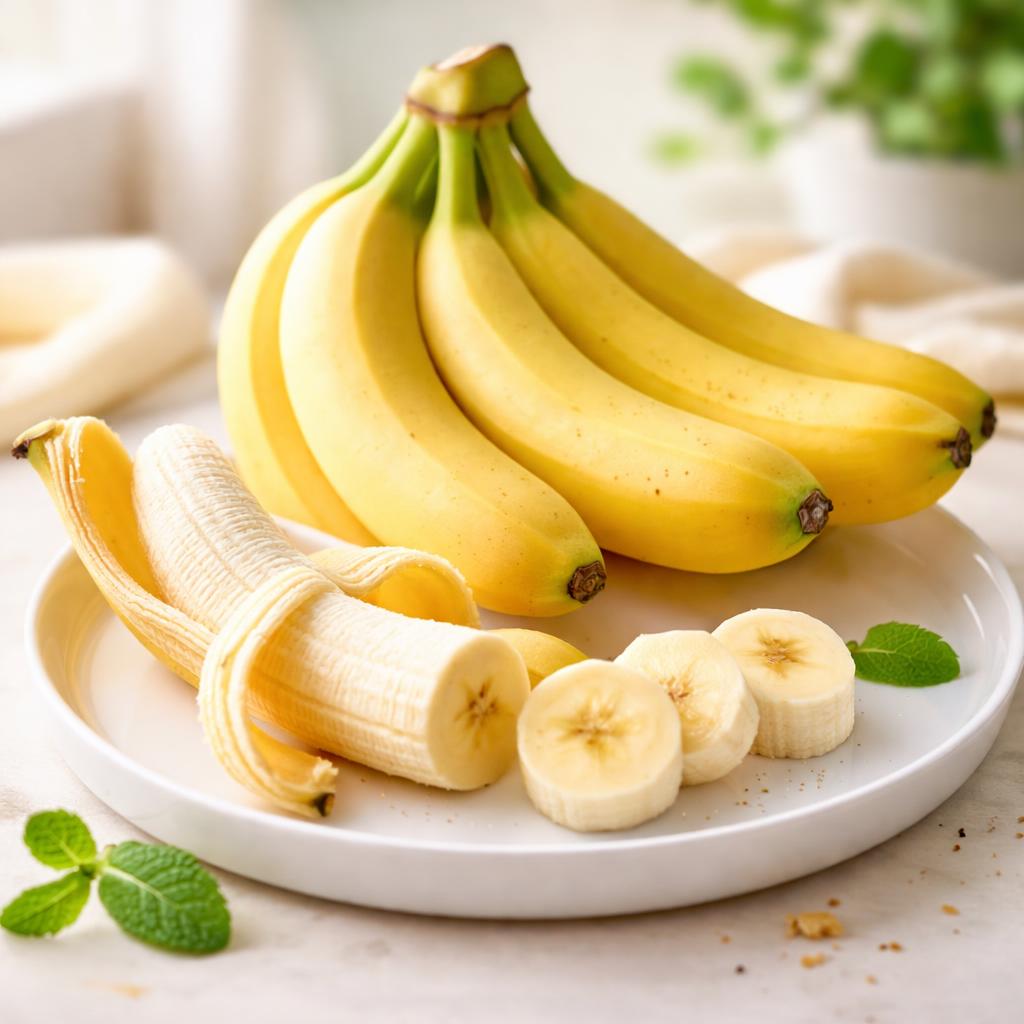
Banana
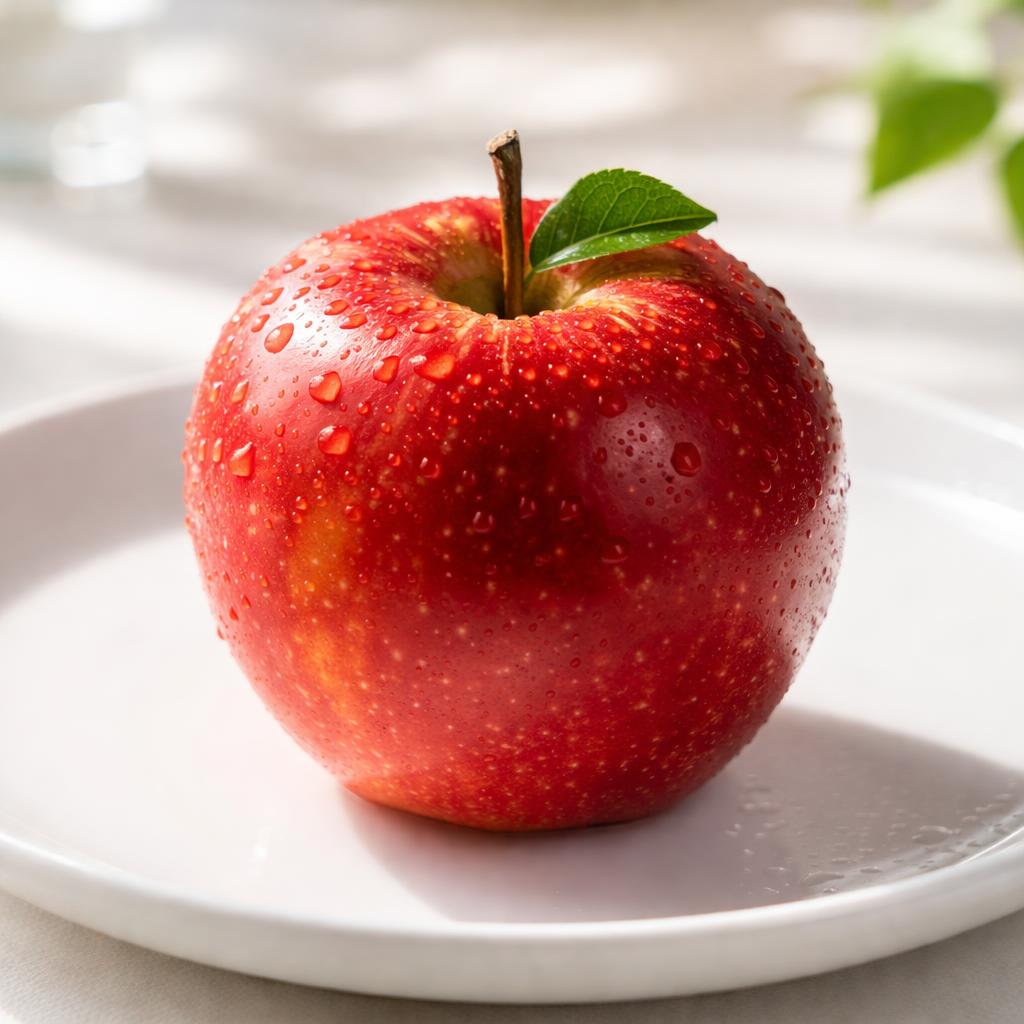
Red Apple
🎯 Quick Verdict
Bananas and red apples are both nutritious fruits, but they differ slightly in their nutritional profiles. Bananas are slightly higher in calories and carbohydrates, while red apples provide more fiber and are lower in calories. Bananas are excellent for quick energy and potassium, whereas apples can be better for prolonged digestion support and hydration.

Smart Nutrition Tracking with SnapCalorie

📊 Nutritional Comparison
Macronutrients
| Nutrient | Food 1 | Food 2 | Winner |
|---|---|---|---|
| Calories | 89 | 52 | ✓ |
| Protein | 1.1g | 0.3g | ✓ |
| Carbs | 22.8g | 13.8g | ✓ |
| Fat | 0.3g | 0.2g | ✓ |
| Fiber | 2.6g | 2.4g | ✓ |
Vitamins & Minerals
| Nutrient | Food 1 | Food 2 | Winner |
|---|---|---|---|
| Vitamin C | 8.7mg | 4.6mg | ✓ |
| Potassium | 358mg | 107mg | ✓ |
| Vitamin A | 3mcg | 54mcg | ✓ |
| Calcium | 5mg | 6mg | ✓ |
| Iron | 0.3mg | 0.1mg | ✓ |
🏆 Category Winners
Protein
Bananas have more protein per serving compared to apples.
Fiber
Apples provide slightly more fiber, aiding in prolonged digestion.
Calories
Apples are lower in calories, making them better for low-calorie diets.
Vitamins
Both fruits vary in their vitamin profiles, with bananas excelling in Vitamin C and potassium, while apples are richer in Vitamin A.
🥗 Diet Compatibility
Keto
Food 1: Not Compatible
Food 2: Not Compatible
Both contain high amounts of carbohydrates.
Vegan
Food 1: Compatible
Food 2: Compatible
Both foods are plant-based and vegan-friendly.
Gluten Free
Food 1: Compatible
Food 2: Compatible
Both are naturally gluten-free.
Paleo
Food 1: Compatible
Food 2: Compatible
Both are paleo-friendly as whole, unprocessed fruits.
Low Carb
Food 1: Not Compatible
Food 2: Not Compatible
Both are relatively high in carbohydrates.
💪 Health Benefits Comparison
Food 1 Benefits
- Rich in potassium, supporting heart and muscle function
- High in quick-digesting carbohydrates for energy boosts
- Contains moderate fiber for supporting digestion
- Provides Vitamin C for immune health
Food 2 Benefits
- High in fiber for improved digestion
- Rich in Vitamin A, supporting eye health
- Contains antioxidants like quercetin for reducing inflammation
- Low in calories, making it ideal for weight management
✅ The Bottom Line
Bananas and apples are both versatile and nutritious options. Choose a banana when you need a quick boost of energy or more potassium. Opt for an apple when focusing on digestion, hydration, or weight management.
Choose Food 1 for: Quick energy, electrolyte balance, post-workout snack
Choose Food 2 for: Digestion, hydration, low-calorie diets


