Banana VS Puree
A detailed nutritional comparison
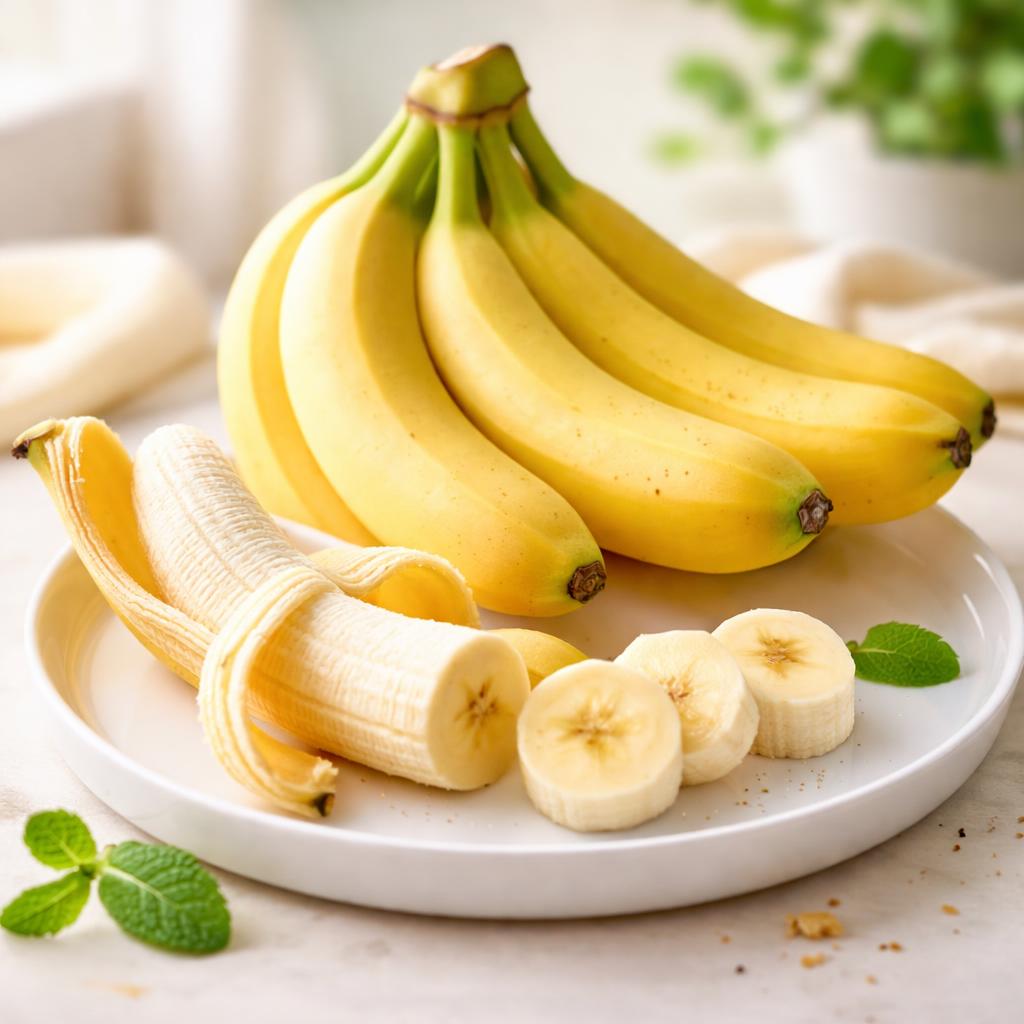
Banana

Puree
🎯 Quick Verdict
Bananas and puree (e.g., fruit puree or applesauce) offer different nutritional profiles. Bananas are more fiber-rich, lower in calories, and provide a good source of potassium, making them a great whole-food option. Puree typically has slightly higher protein content due to fortification or mixed ingredients and is more convenient for quick consumption or adding to recipes.

Smart Nutrition Tracking with SnapCalorie

📊 Nutritional Comparison
Macronutrients
| Nutrient | Food 1 | Food 2 | Winner |
|---|---|---|---|
| Calories | 105 | 120 | − |
| Protein | 1.3g | 2g | − |
| Carbs | 27g | 30g | − |
| Fat | 0.3g | 0.5g | − |
| Fiber | 3.1g | 2g | − |
Vitamins & Minerals
| Nutrient | Food 1 | Food 2 | Winner |
|---|---|---|---|
| Vitamin C | 10mg | 5mg | − |
| Potassium | 422mg | 300mg | − |
| Vitamin A | 76IU | 120IU | − |
🏆 Category Winners
Protein
Puree is fortified or includes mixed ingredients providing 54% more protein than a banana.
Fiber
Bananas contain 50% more fiber, benefiting digestion.
Calories
Bananas have approximately 12% fewer calories than puree.
🥗 Diet Compatibility
Keto
Food 1: Not Compatible
Food 2: Not Compatible
Both are high-carb and unsuitable for keto diets.
Vegan
Food 1: Compatible
Food 2: Compatible
Both foods are plant-based and fit vegan diets.
Gluten Free
Food 1: Compatible
Food 2: Compatible
Neither contains gluten.
Paleo
Food 1: Compatible
Food 2: Check Ingredients
Bananas fit paleo, but puree may contain added sugars or non-paleo ingredients.
Low-Carb
Food 1: Not Compatible
Food 2: Not Compatible
Both foods are moderate to high-carb and not ideal for low-carb diets.
💪 Health Benefits Comparison
Food 1 Benefits
- Rich in potassium for heart health and muscle function
- High in fiber for better digestion
- Provides natural energy through carbohydrates
- Contains Vitamin C for immune support
Food 2 Benefits
- Higher protein for muscle repair
- Convenient and easy to digest
- May include antioxidants depending on fruit type
- Contributes to hydration due to water content
✅ The Bottom Line
Bananas are great for whole-food nutrition, offering fiber, potassium, and lower calories, ideal for snacking or energy boosts. Puree is slightly higher in protein and convenient for adding to recipes, but watch for added sugars or preservatives. Choose bananas for digestion and whole-fruit benefits, and puree for muscle repair or cooking versatility.
Choose Food 1 for: Weight management, digestion, energy boosts
Choose Food 2 for: Post-workout recovery, cooking, convenient snack options


