Banana VS Pickled Peppers
A detailed nutritional comparison
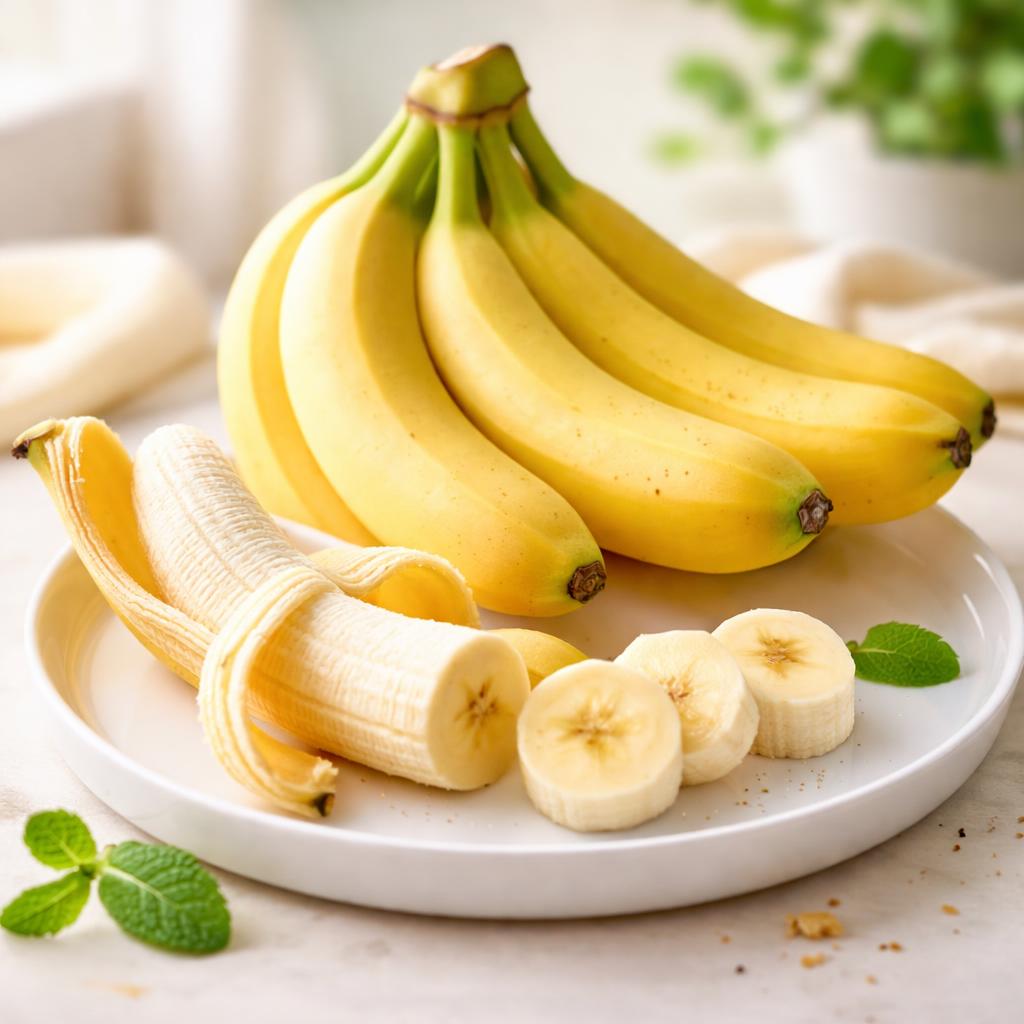
Banana
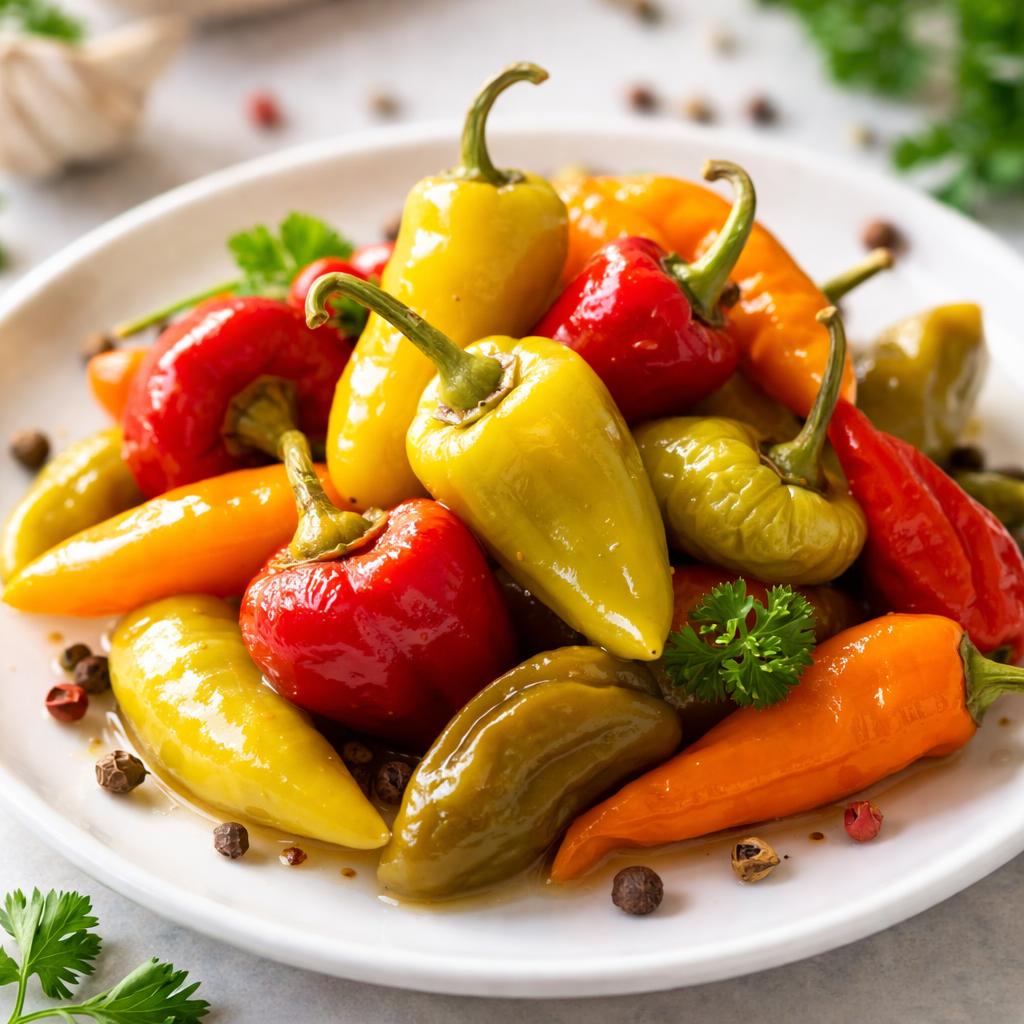
Pickled Peppers
🎯 Quick Verdict
Bananas and pickled peppers are nutritionally diverse foods suitable for different dietary goals. Bananas provide more potassium and energy, making them ideal for pre-workout snacks, whereas pickled peppers are lower in calories and offer higher fiber, beneficial for digestion. Both are plant-based and gluten-free, with complementary use cases in diets.

Smart Nutrition Tracking with SnapCalorie

📊 Nutritional Comparison
Macronutrients
| Nutrient | Food 1 | Food 2 | Winner |
|---|---|---|---|
| Calories | 105 | 25 | ✓ |
| Protein | 1.3g | 1g | − |
| Carbs | 27g | 6g | ✓ |
| Fat | 0.3g | 0.5g | − |
| Fiber | 3.1g | 4g | ✓ |
Vitamins & Minerals
| Nutrient | Food 1 | Food 2 | Winner |
|---|---|---|---|
| Vitamin C | 10mg | 120mg | ✓ |
| Vitamin A | 76IU | 528IU | ✓ |
| Potassium | 422mg | 140mg | ✓ |
🏆 Category Winners
Protein
Both foods provide very low protein content per serving.
Fiber
Pickled peppers contain about 30% more fiber than bananas.
Calories
Pickled peppers are much lower in calories, suitable for weight management.
Vitamins
Pickled peppers are richer in vitamin C and A, providing significant antioxidant support.
🥗 Diet Compatibility
Keto
Food 1: Not Compatible
Food 2: Compatible
Bananas are high-carb while pickled peppers are low-carb.
Vegan
Food 1: Compatible
Food 2: Compatible
Both foods are plant-based with no animal-derived ingredients.
Gluten Free
Food 1: Compatible
Food 2: Compatible
Neither food contains gluten.
Paleo
Food 1: Compatible
Food 2: Compatible
Both fit the Paleo framework as whole, natural foods.
Low Carb
Food 1: Not Compatible
Food 2: Compatible
Bananas are high in carbohydrates; pickled peppers align with low-carb diets due to lower carb content.
💪 Health Benefits Comparison
Food 1 Benefits
- Rich in potassium, excellent for heart and muscle health
- Provides quick energy due to natural sugars
- Contains fiber for digestive health
- Supports serotonin production, aiding mood balance
Food 2 Benefits
- High in vitamin C, supports immunity and skin health
- Low in calories, aiding weight management
- Provides fiber for improved digestion
- Contains antioxidants for reducing inflammation
✅ The Bottom Line
Bananas are best for energy boosts and potassium intake, making them a top choice for athletes and active individuals. Pickled peppers excel in fiber and vitamin C content while being lower in calories, perfect for weight loss and overall digestive health. Choose based on your dietary priorities.
Choose Food 1 for: Energy snacks, potassium needs, general fitness support
Choose Food 2 for: Low-calorie diets, fiber intake, immune health


