Banana VS Olive Oil Dressing
A detailed nutritional comparison
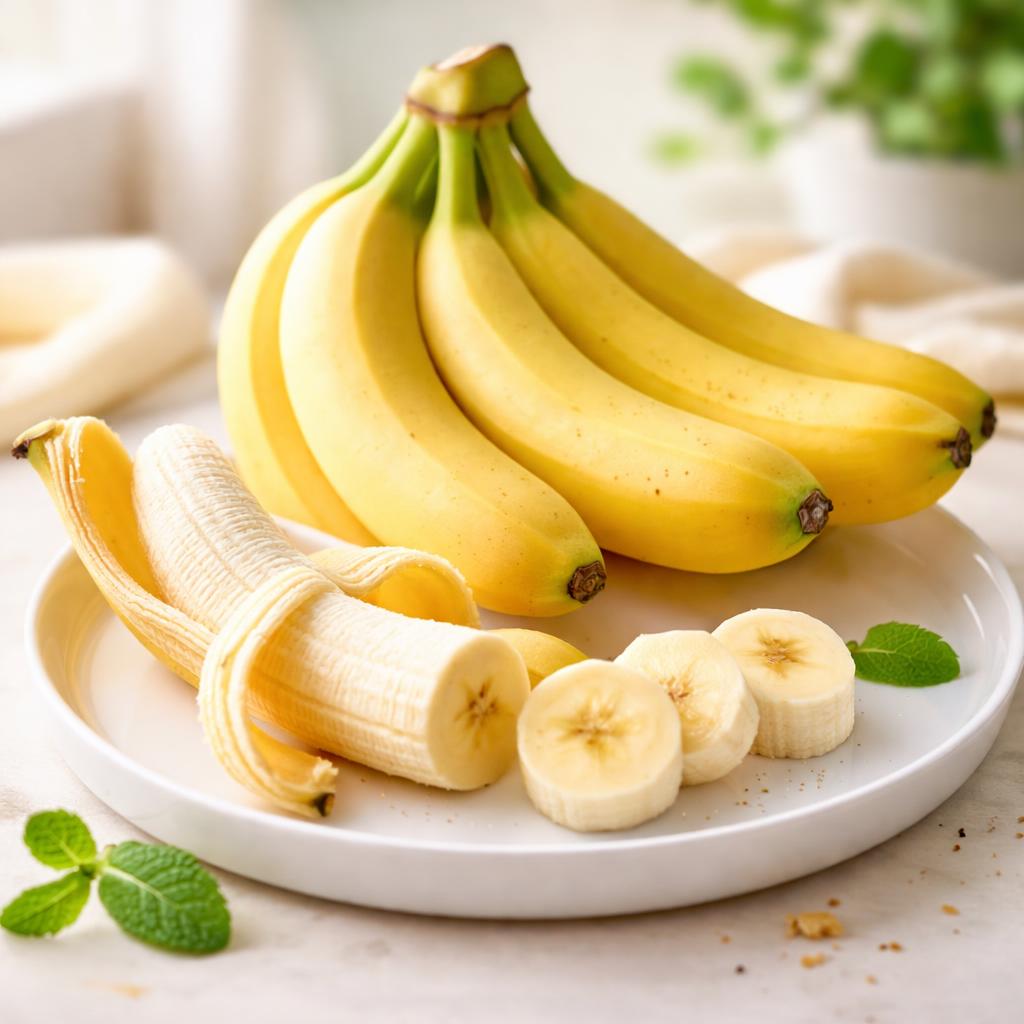
Banana
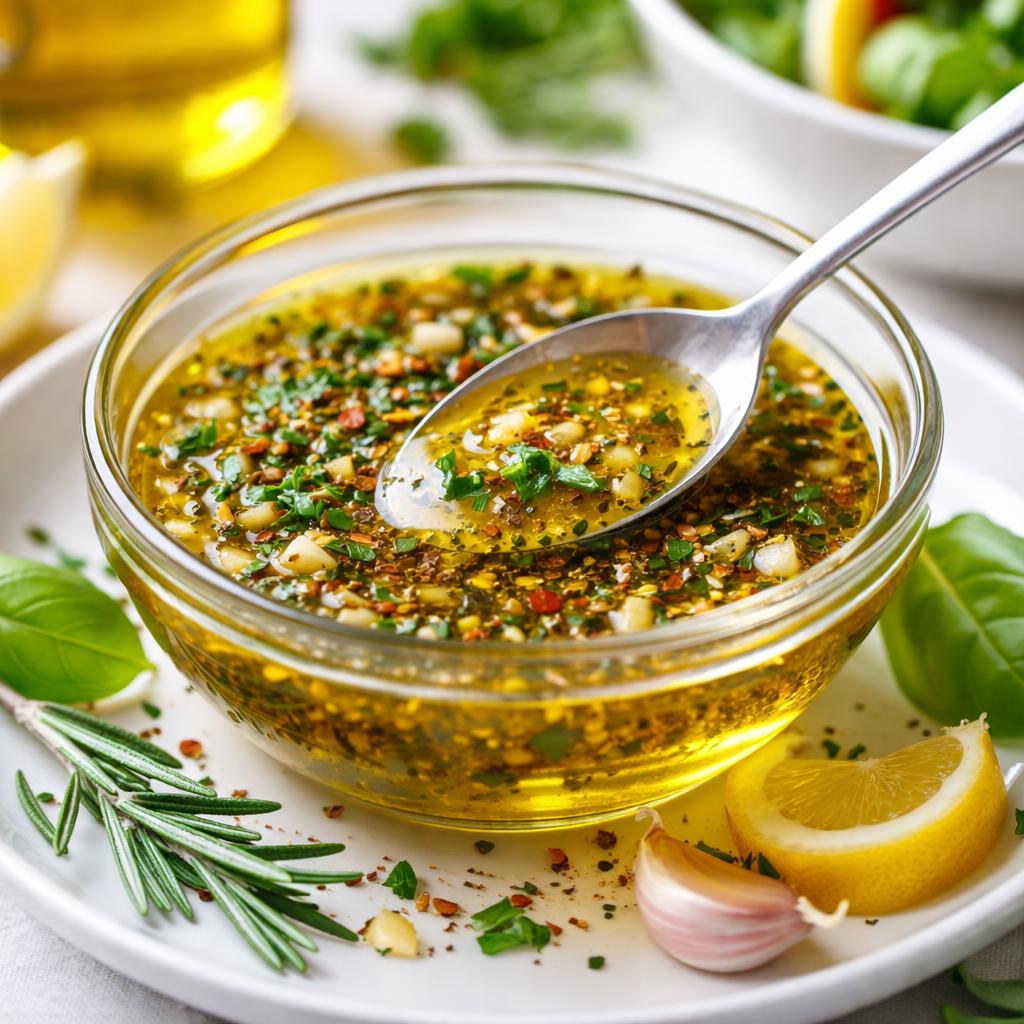
Olive Oil Dressing
🎯 Quick Verdict
Bananas provide essential nutrients, including high fiber and potassium, making them ideal for energy and digestion support. Olive oil dressing, while calorie-dense, offers healthy fats and vitamin E, making it beneficial for heart health and nutrient absorption. Choose bananas for quick energy and olive oil dressing for flavor and healthy fat intake in meals.

Smart Nutrition Tracking with SnapCalorie

📊 Nutritional Comparison
Macronutrients
| Nutrient | Food 1 | Food 2 | Winner |
|---|---|---|---|
| Calories | 105 | 120 (per tablespoon) | ✓ |
| Protein | 1g | 0g | − |
| Carbs | 27g | 0g | ✓ |
| Fat | 0.3g | 14g | ✓ |
| Fiber | 3g | 0g | ✓ |
Vitamins & Minerals
| Nutrient | Food 1 | Food 2 | Winner |
|---|---|---|---|
| Vitamin C | 10mg | 0mg | ✓ |
| Vitamin E | 0.02mg | 1.9mg | ✓ |
| Potassium | 422mg | 0mg | ✓ |
| Calcium | 6mg | 1mg | ✓ |
🏆 Category Winners
Protein
Both foods contain minimal or no protein.
Fiber
Bananas provide 3g of fiber per serving, olive oil dressing has none.
Calories
Olive oil dressing has lower calorie density per gram but is calorie-dense per tablespoon.
Vitamins
Bananas excel in potassium and vitamin C, while olive oil dressing is rich in vitamin E.
🥗 Diet Compatibility
Keto
Food 1: Not Compatible
Food 2: Compatible
Bananas are high in carbs, olive oil dressing is carb-free.
Vegan
Food 1: Compatible
Food 2: Compatible
Both foods are plant-based and suitable for vegans.
Gluten Free
Food 1: Compatible
Food 2: Compatible
Neither food contains gluten.
Paleo
Food 1: Compatible
Food 2: Compatible
Both foods meet paleo guidelines.
Low-Carb
Food 1: Not Compatible
Food 2: Compatible
Bananas are high in carbohydrates compared to olive oil dressing.
💪 Health Benefits Comparison
Food 1 Benefits
- High in potassium for muscle and heart function
- Provides fiber for improved digestion
- Contains vitamin C for immune support and skin health
- Low in fat and ideal for quick energy
Food 2 Benefits
- Rich in healthy monounsaturated fats for heart health
- Contains vitamin E for skin and antioxidant benefits
- Supports nutrient absorption when paired with vegetables
- Low in carbs, suitable for keto and low-carb diets
✅ The Bottom Line
Bananas are best for quick energy boosts, digestion, and a portable snack. Olive oil dressing enhances healthy fat intake, flavor, and nutrient absorption in meals. Opt for bananas during active days or as a natural quick snack, and olive oil dressing for sustaining heart health and enhancing meals with healthy fats.
Choose Food 1 for: Quick energy, digestion, snacking
Choose Food 2 for: Heart health, nutrient absorption, keto diets


