Banana VS Oat Bran
A detailed nutritional comparison
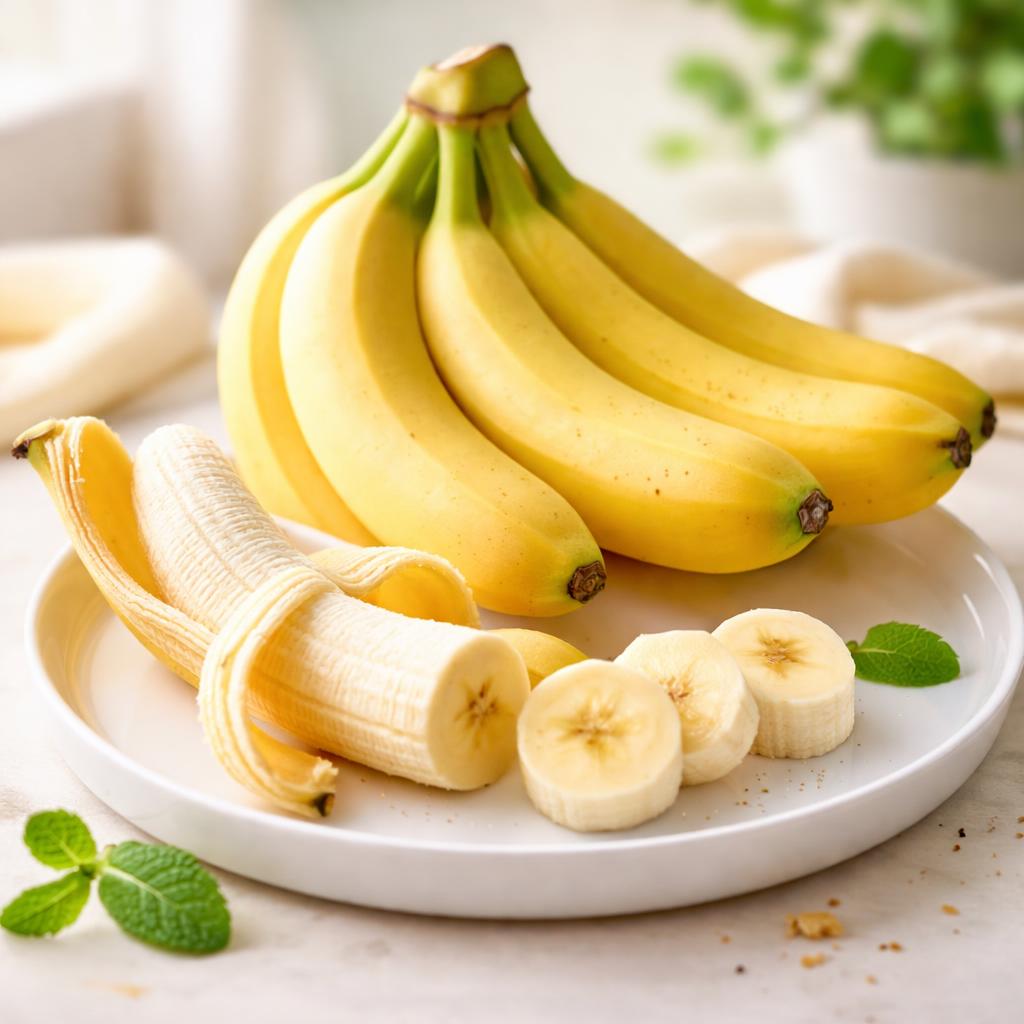
Banana
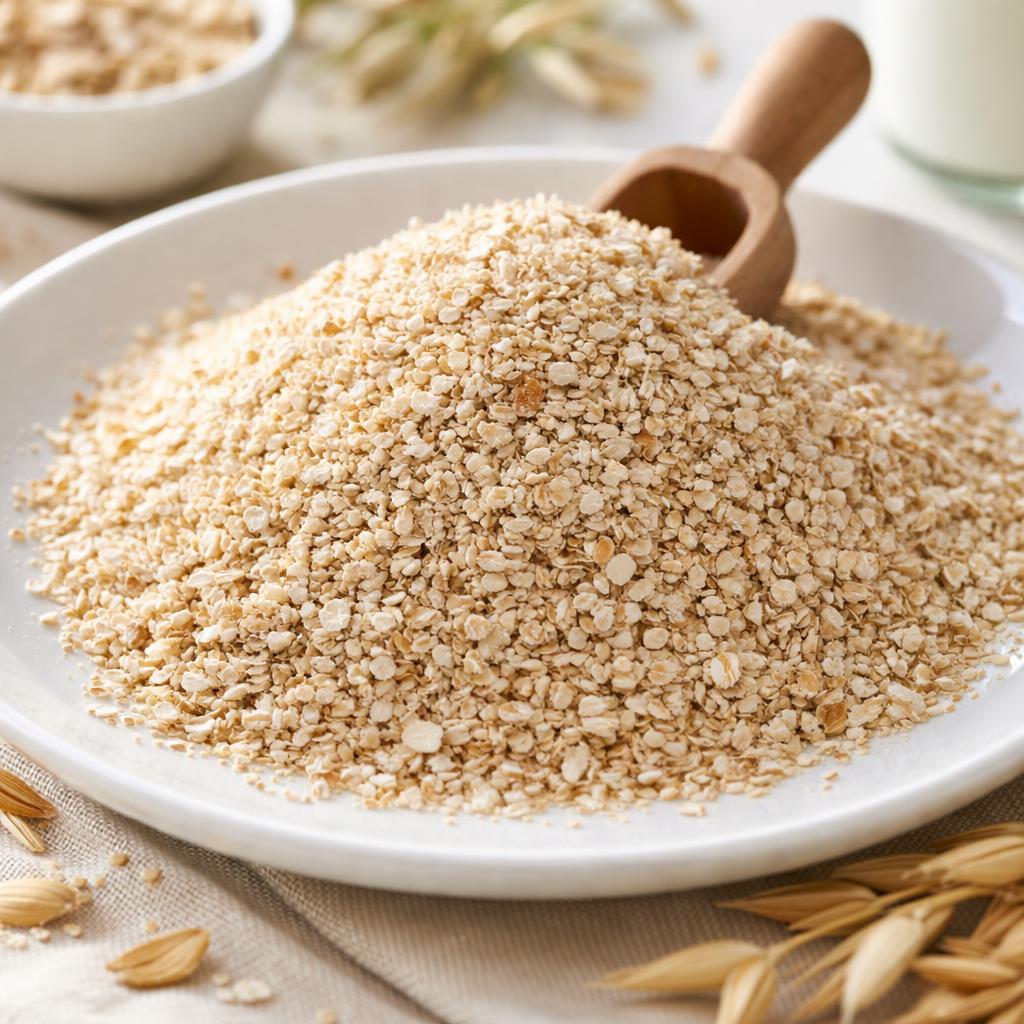
Oat Bran
🎯 Quick Verdict
Oat bran is significantly higher in protein, fiber, and certain minerals, making it a nutrient-dense choice for heart health and digestion. Bananas are lower in calories and carbs, with excellent potassium content, providing quick energy and hydration. Choose oat bran for sustained nutrition and bananas for fast, portable energy and recovery snacks.

Smart Nutrition Tracking with SnapCalorie

📊 Nutritional Comparison
Macronutrients
| Nutrient | Food 1 | Food 2 | Winner |
|---|---|---|---|
| Calories | 105 | 120 | ✓ |
| Protein | 1.3g | 7g | ✓ |
| Carbs | 27g | 20g | ✓ |
| Fat | 0.3g | 3g | ✓ |
| Fiber | 3.1g | 7g | ✓ |
Vitamins & Minerals
| Nutrient | Food 1 | Food 2 | Winner |
|---|---|---|---|
| Vitamin B6 | 0.4mg | 0.1mg | ✓ |
| Vitamin C | 9mg | 0mg | ✓ |
| Potassium | 422mg | 120mg | ✓ |
| Magnesium | 27mg | 94mg | ✓ |
| Iron | 0.3mg | 2.5mg | ✓ |
🏆 Category Winners
Protein
Oat bran has over five times more protein than bananas.
Fiber
Oat bran contains more than double the fiber content to support digestion.
Calories
Bananas are lower in calories, making them ideal for lighter snacks.
Vitamins
Bananas excel in potassium and vitamin C, while oat bran has higher magnesium and iron.
🥗 Diet Compatibility
Keto
Food 1: Unknown
Food 2: Unknown
Both are higher in carbs, exceeding typical keto carb limits.
Vegan
Food 1: Unknown
Food 2: Unknown
Both foods are plant-based and fit vegan diets.
Gluten Free
Food 1: Unknown
Food 2: Unknown
Bananas are naturally gluten-free while oat bran may contain traces of gluten unless labeled gluten-free.
Paleo
Food 1: Unknown
Food 2: Unknown
Bananas align with paleo guidelines, but oat bran is not paleo-friendly.
Low-Carb
Food 1: Unknown
Food 2: Unknown
Both foods contain 20+ grams of carbs per serving, higher than low-carb diet allowances.
💪 Health Benefits Comparison
Food 1 Benefits
Food 2 Benefits
✅ The Bottom Line
Oat bran is better suited for those seeking nutrient-dense foods high in protein, fiber, and minerals for long-term health benefits. Bananas are ideal for quick energy, hydration, and a portable snack option. Choose based on your health goals and dietary needs.
Choose Food 1 for: Quick energy, hydration, portable snacks, recovery
Choose Food 2 for: Heart health, digestion, sustained nutrition, weight management


