Banana VS Meat Stew
A detailed nutritional comparison
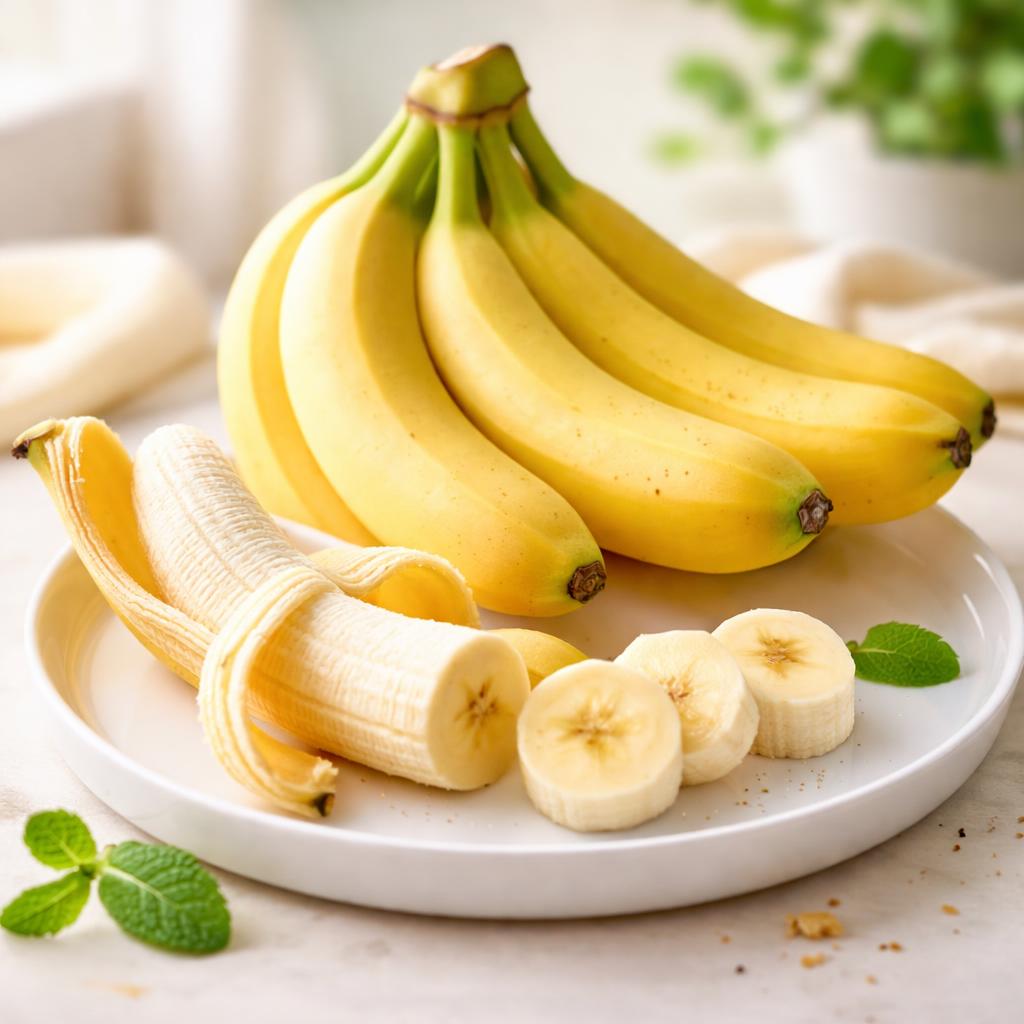
Banana
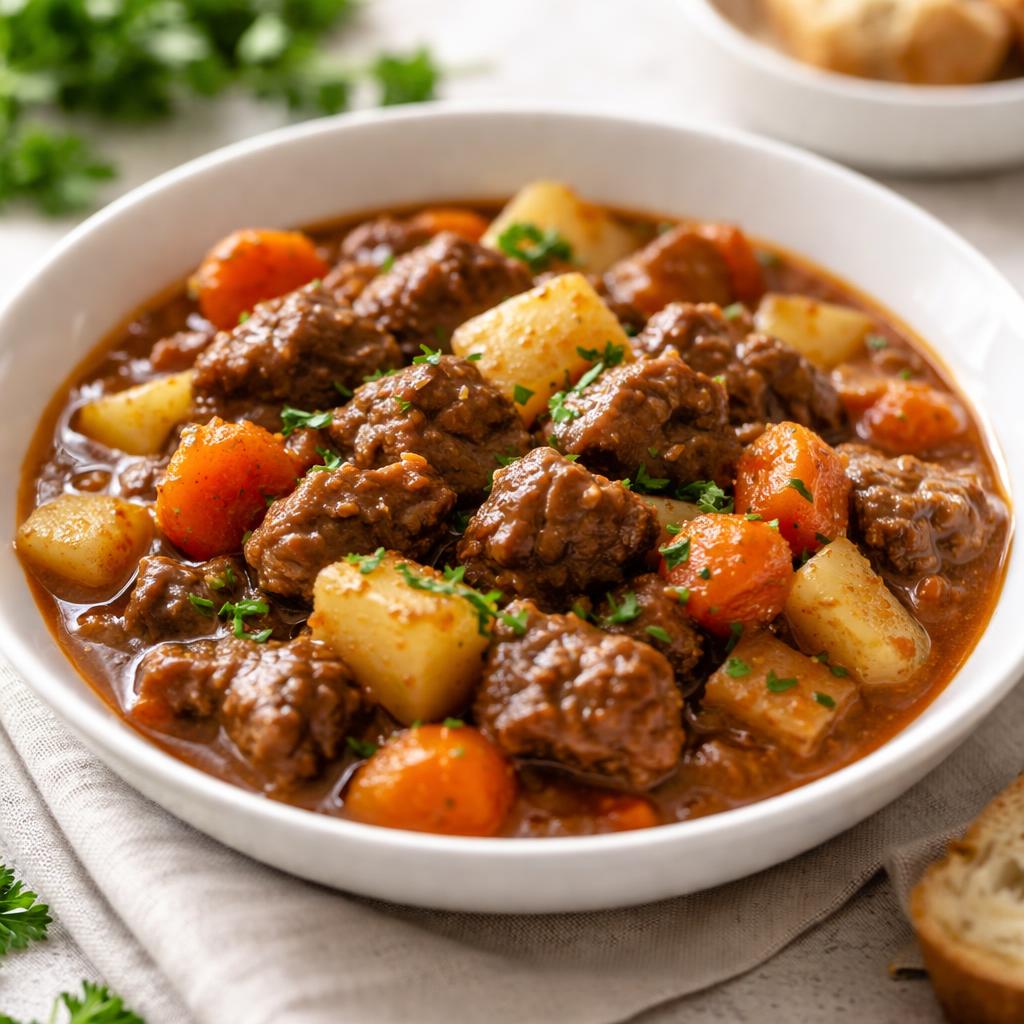
Meat Stew
🎯 Quick Verdict
Bananas are rich in carbohydrates, fiber, and certain vitamins, making them great for quick energy boosts and digestion. Meat stew offers more protein, iron, and healthy fats, making it ideal for muscle repair and nutrient-dense meals. These foods have distinct roles based on one's dietary needs and activity levels.

Smart Nutrition Tracking with SnapCalorie

📊 Nutritional Comparison
Macronutrients
| Nutrient | Food 1 | Food 2 | Winner |
|---|---|---|---|
| Calories | 105 | 250 per cup (240g) | − |
| Protein | 1.3g | 22g | − |
| Carbs | 27g | 10g | − |
| Fat | 0.3g | 12g | − |
| Fiber | 3g | 1g | − |
Vitamins & Minerals
| Nutrient | Food 1 | Food 2 | Winner |
|---|---|---|---|
| Vitamin C | 10mg | 3mg | − |
| Vitamin B6 | 0.4mg | 0.1mg | − |
| Iron | 0.3mg | 2.5mg | − |
🏆 Category Winners
Protein
Meat stew contains vastly more protein (22g vs 1.3g) suitable for muscle-building diets.
Fiber
Banana provides three times the fiber of meat stew (3g vs 1g), aiding digestion.
Calories
Banana has significantly fewer calories (105 vs 250 per serving).
🥗 Diet Compatibility
Keto
Food 1: Not Compatible
Food 2: Compatible
Meat stew is low-carb and fits ketogenic diets.
Vegan
Food 1: Compatible
Food 2: Not Compatible
Bananas are plant-based, while meat stew contains animal products.
Gluten Free
Food 1: Compatible
Food 2: Generally Compatible
Banana is naturally gluten-free, meat stew depends on added ingredients.
Paleo
Food 1: Compatible
Food 2: Compatible
Both foods align with natural and unprocessed paleo guidelines.
Low-Carb
Food 1: Not Compatible
Food 2: Compatible
Bananas are high-carb (27g per serving), whereas meat stew sticks to 10g carbs per serving.
💪 Health Benefits Comparison
Food 1 Benefits
- Rich in potassium for heart health and muscle function
- Provides dietary fiber for digestion
- Contains vitamin C to boost immune system
- Supports energy levels through natural sugars
Food 2 Benefits
- High-quality protein for muscle repair and maintenance
- Rich in iron for energy and preventing anemia
- Contains healthy fats for sustained energy and satiety
- Provides essential minerals like zinc and phosphorus
✅ The Bottom Line
Bananas are excellent for quick energy, digestion, and heart health, while meat stew excels in protein density, iron, and nutrient-rich calories for those with higher activity levels. Choose based on your dietary goals: quick snack vs nutrient-dense meal.
Choose Food 1 for: Quick snacks, energy boosts, digestion support
Choose Food 2 for: Muscle building, heavy workouts, nutrient-dense meals


