Banana VS Lettuce Leaf
A detailed nutritional comparison
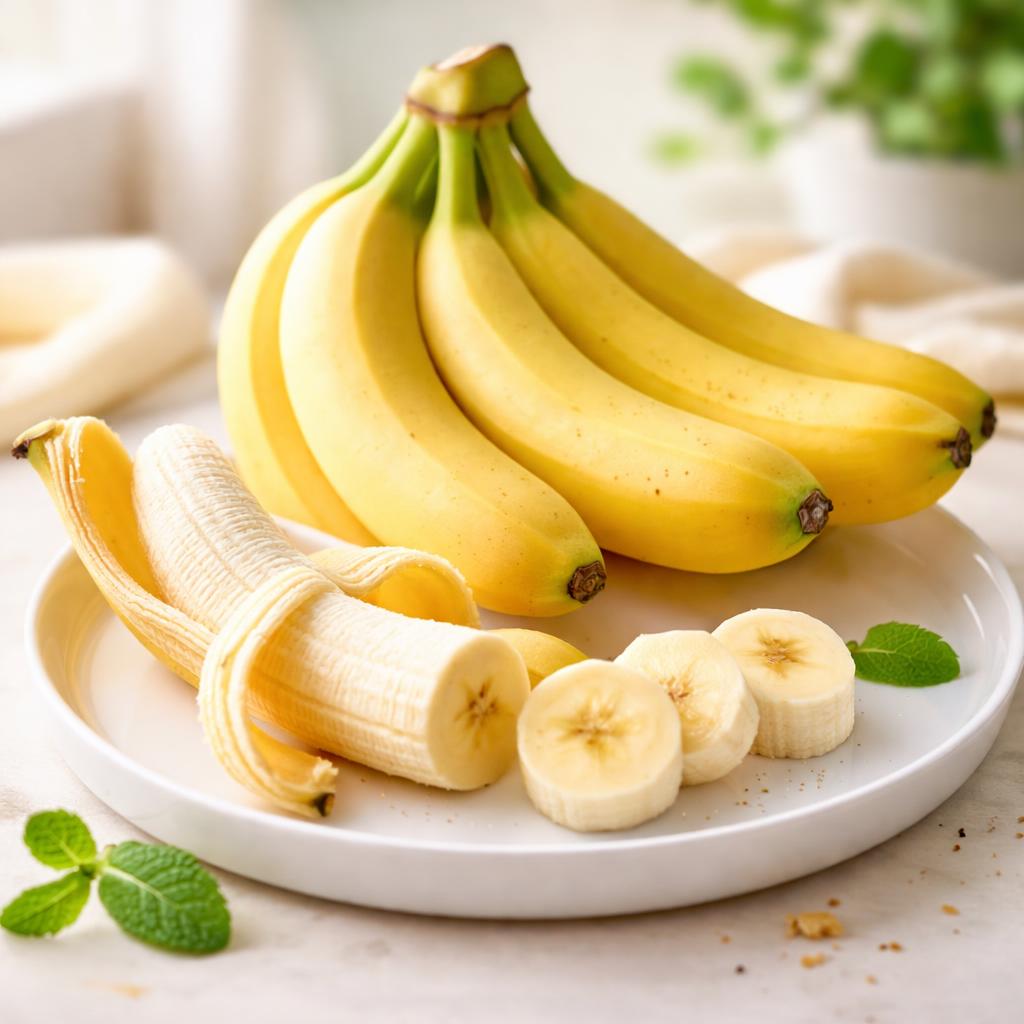
Banana
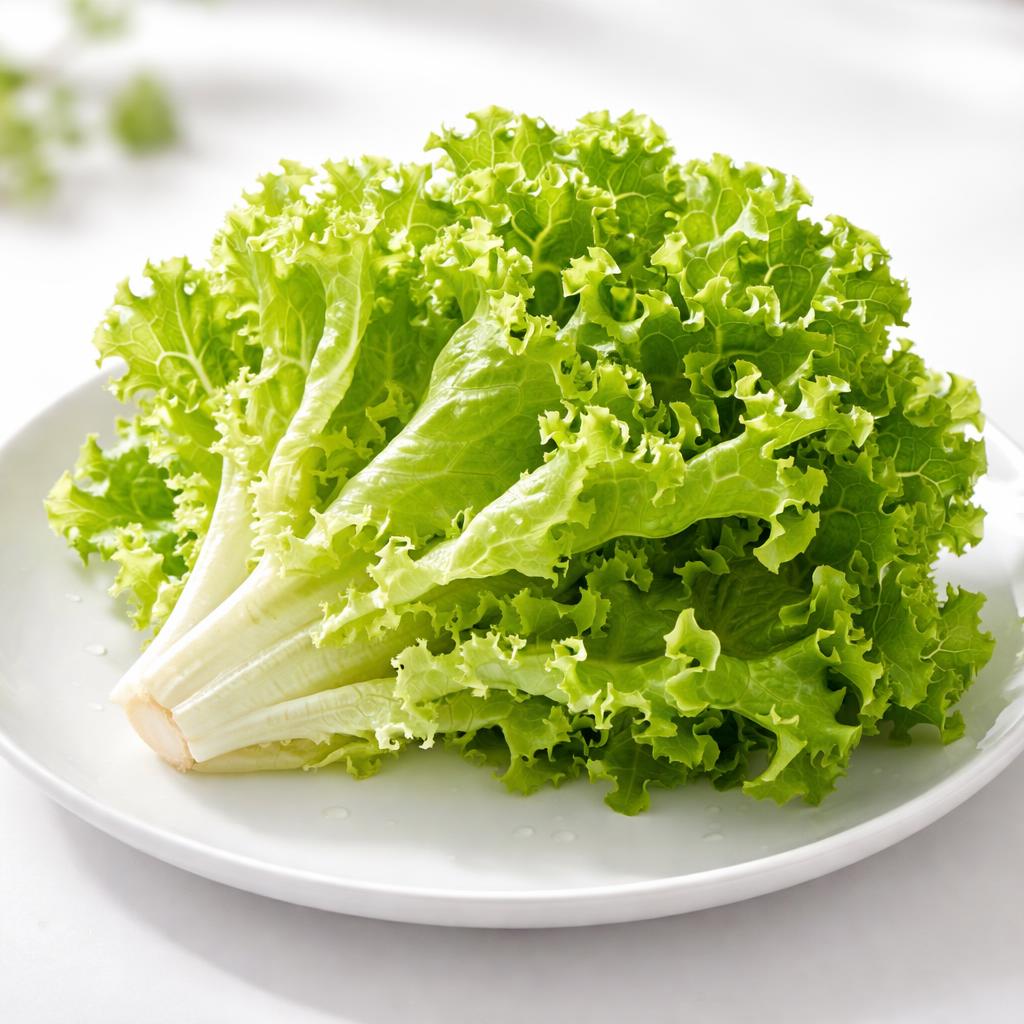
Lettuce Leaf
🎯 Quick Verdict
Bananas and lettuce serve very different roles nutritionally. Bananas are calorie-dense, provide more fiber, vitamins, and energy, while lettuce is extremely low in calories but lacks substantial macronutrients. Bananas are better for quick energy and digestion support, while lettuce is optimal for light meals and hydration.

Smart Nutrition Tracking with SnapCalorie

📊 Nutritional Comparison
Macronutrients
| Nutrient | Food 1 | Food 2 | Winner |
|---|---|---|---|
| Calories | 105 | 5 | ✓ |
| Protein | 1g | 1g | − |
| Carbs | 27g | 1g | ✓ |
| Fat | 0.3g | 0g | ✓ |
| Fiber | 3g | 0.5g | ✓ |
Vitamins & Minerals
| Nutrient | Food 1 | Food 2 | Winner |
|---|---|---|---|
| Vitamin C | 10.3mg | 1mg | ✓ |
| Vitamin A | 76IU | 494IU | ✓ |
| Potassium | 422mg | 73mg | ✓ |
| Folate | 23.6mcg | 38mcg | ✓ |
🏆 Category Winners
Protein
Both banana and lettuce contain about 1g of protein per serving.
Fiber
Banana contains 3g of fiber, significantly more than lettuce.
Calories
Lettuce is extremely low-calorie, with only 5 calories per serving.
Vitamins
Banana excels in Vitamin C and Potassium, while lettuce is better for Folate and Vitamin A.
🥗 Diet Compatibility
Keto
Food 1: Not Compatible
Food 2: Compatible
Lettuce is extremely low-carb, while bananas have 27g of carbs per serving.
Vegan
Food 1: Compatible
Food 2: Compatible
Both foods are plant-based.
Gluten Free
Food 1: Compatible
Food 2: Compatible
Neither food contains gluten.
Paleo
Food 1: Compatible
Food 2: Compatible
Both are natural, unprocessed foods suitable for the Paleo diet.
Low-Carb
Food 1: Not Compatible
Food 2: Compatible
Lettuce's extremely low carb count makes it suitable for low-carb diets.
💪 Health Benefits Comparison
Food 1 Benefits
- Rich source of potassium for heart and muscle health
- Good fiber content for digestive health
- Contains Vitamin C for strong immunity
- Provides quick energy for active lifestyles
Food 2 Benefits
- Extremely low in calories for weight management
- Hydrating due to high water content
- Rich in Vitamin A for eye health
- Source of folate important for cell function and repair
✅ The Bottom Line
Choose bananas for energy, fiber, and potassium, especially if active or requiring a snack on the go. Opt for lettuce when prioritizing low-calorie, low-carb, or nutrient-light options for hydration or salads.
Choose Food 1 for: Energy boost, digestion support, post-workout snack
Choose Food 2 for: Weight loss, hydration, light meals or side dishes


