Banana VS Jujube
A detailed nutritional comparison
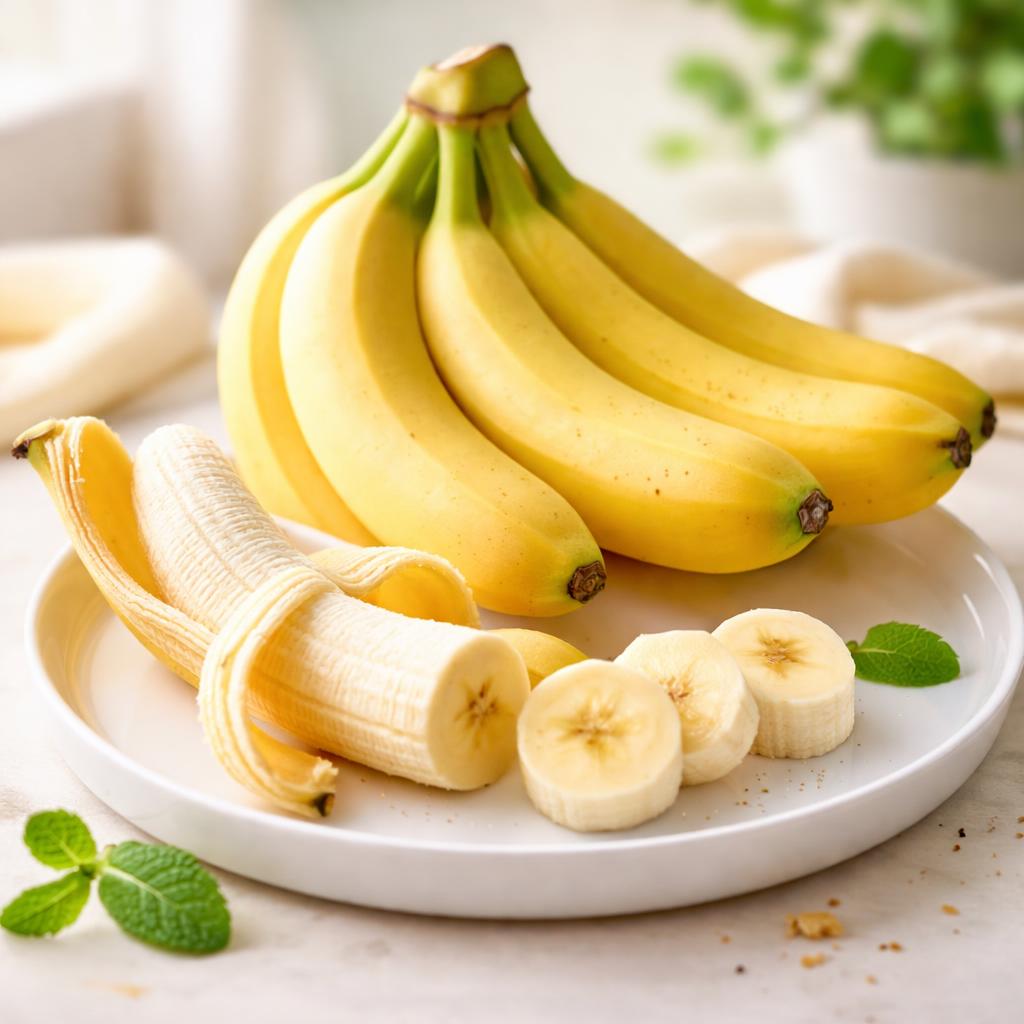
Banana
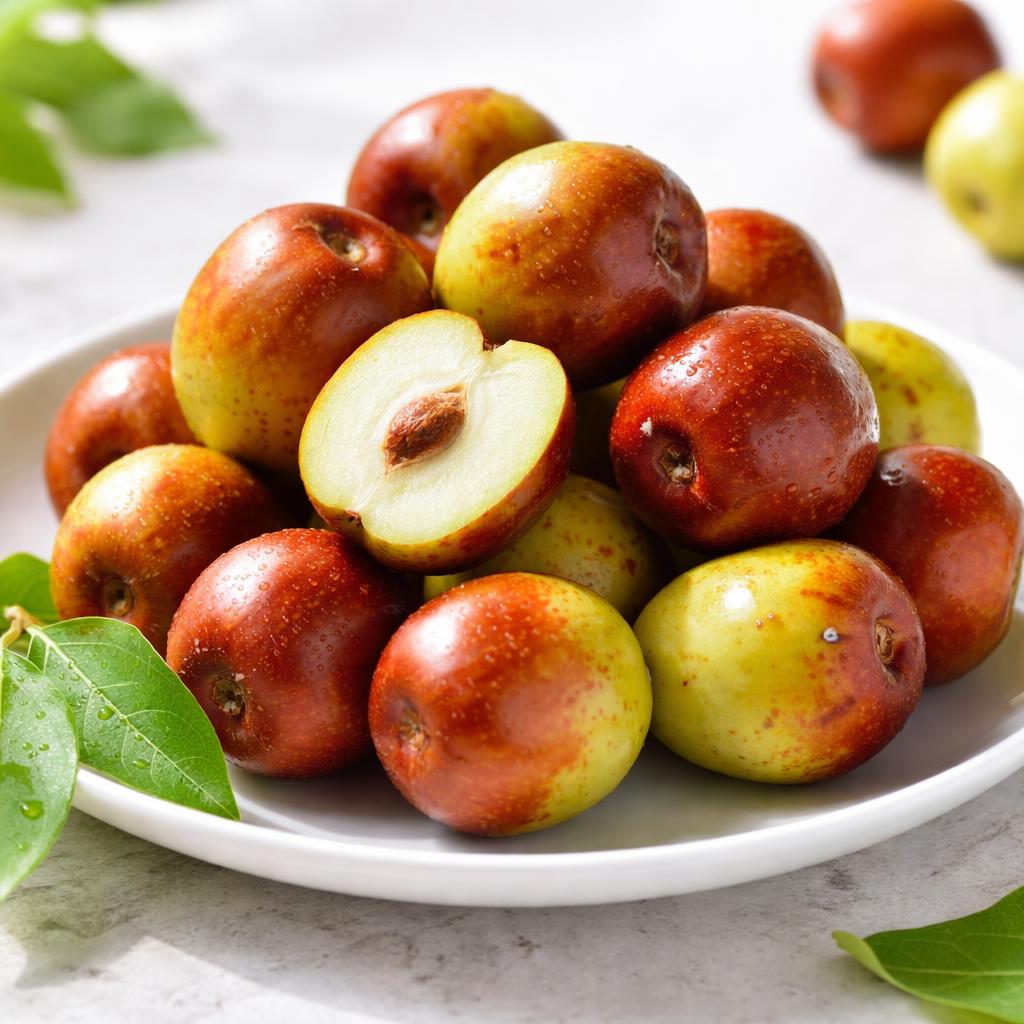
Jujube
🎯 Quick Verdict
Bananas and jujubes are both nutritious fruits, but jujubes excel in protein and fiber content, making them a more nutrient-dense option overall. Bananas are a better fit for quick energy boosts and high potassium content, while jujubes provide antioxidants and a broader range of vitamins and minerals. Choose bananas for convenience and jujubes for a superfood-like nutrient punch.

Smart Nutrition Tracking with SnapCalorie

📊 Nutritional Comparison
Macronutrients
| Nutrient | Food 1 | Food 2 | Winner |
|---|---|---|---|
| Calories | 89 | 79 | ✓ |
| Protein | 1.1g | 1.2g | ✓ |
| Carbs | 23g | 20g | ✓ |
| Fat | 0.3g | 0.2g | ✓ |
| Fiber | 2.6g | 3g | ✓ |
Vitamins & Minerals
| Nutrient | Food 1 | Food 2 | Winner |
|---|---|---|---|
| Vitamin C | 10mg | 69mg | ✓ |
| Vitamin A | 64IU | 40IU | ✓ |
| Potassium | 358mg | 250mg | ✓ |
| Iron | 0.3mg | 0.5mg | ✓ |
| Calcium | 5mg | 21mg | ✓ |
🏆 Category Winners
Protein
Jujubes have slightly more protein than bananas (1.2g vs 1.1g per serving).
Fiber
Jujubes provide 15% more fiber per serving (3g vs 2.6g).
Calories
Jujubes contain 10 fewer calories per serving compared to bananas.
Vitamins
Jujubes deliver significantly more Vitamin C and calcium compared to bananas.
🥗 Diet Compatibility
Keto
Food 1: Not Compatible
Food 2: Not Compatible
Both are high-carb fruits with over 20g of carbs per serving.
Vegan
Food 1: Compatible
Food 2: Compatible
Both fruits are plant-based and vegan-friendly.
Gluten Free
Food 1: Compatible
Food 2: Compatible
Neither fruit contains gluten.
Paleo
Food 1: Compatible
Food 2: Compatible
Both fruits align with the paleo diet guidelines.
Low-Carb
Food 1: Not Compatible
Food 2: Not Compatible
Both fruits are relatively high in carbohydrates.
💪 Health Benefits Comparison
Food 1 Benefits
- Rich in potassium, supporting heart health and muscle function
- Provides quick energy due to natural sugars
- Contains resistant starch for gut health
- Good source of vitamin B6 aiding brain function
Food 2 Benefits
- High in antioxidants, supporting anti-aging and immune health
- Contains more fiber than bananas, aiding digestion
- Rich in vitamin C for immune system support
- Offers trace minerals like calcium and iron for bone and blood health
✅ The Bottom Line
Bananas are a convenient and portable choice for quick energy and potassium replenishment, ideal for athletes and those needing a fast boost. Jujubes, on the other hand, are more nutrient-dense, offering higher fiber, iron, and vitamin C, making them excellent for overall health and longevity-focused diets.
Choose Food 1 for: Energy boosts, muscle recovery, quick snack
Choose Food 2 for: Immune health, digestion, nutrient-dense superfood consumption


