Banana VS Juice
A detailed nutritional comparison
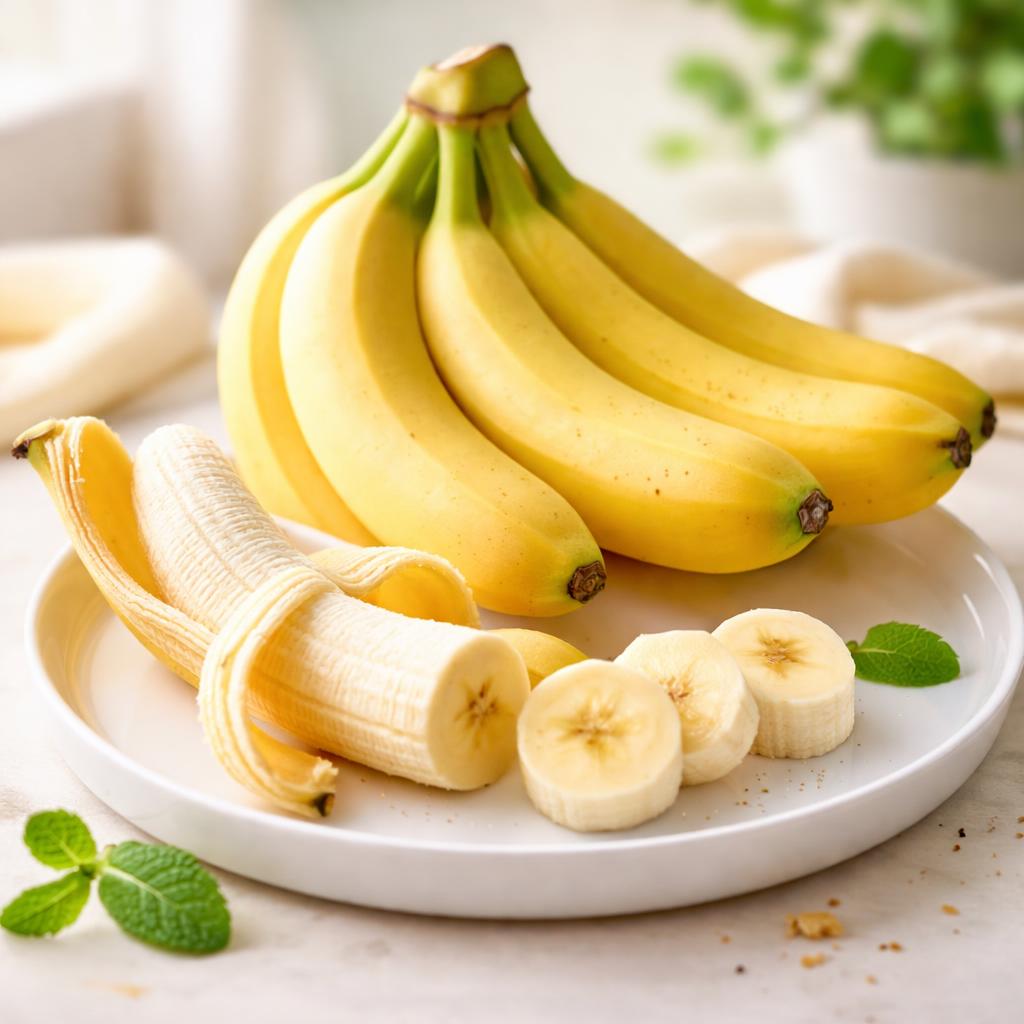
Banana
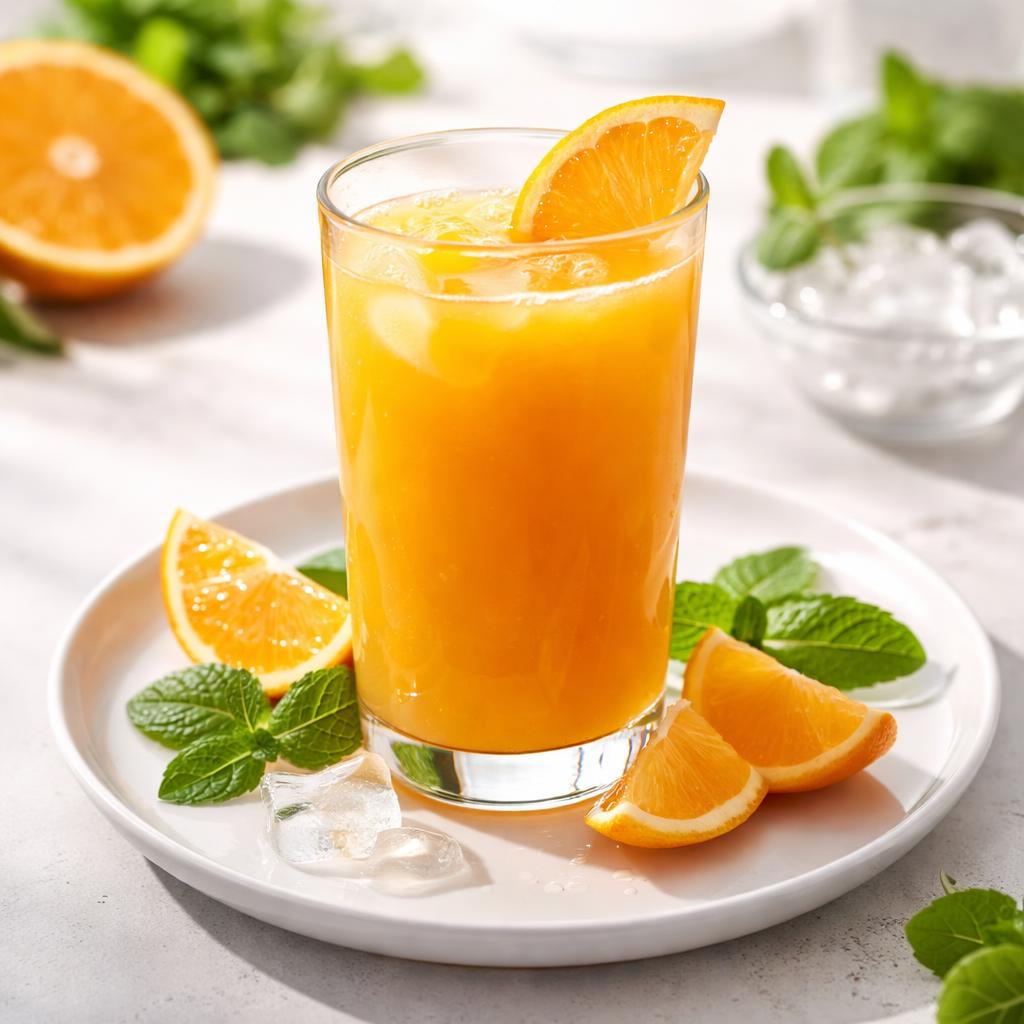
Juice
🎯 Quick Verdict
Bananas provide more essential nutrients, including fiber, protein, and potassium, while being lower in calories compared to juice. Juice lacks fiber and protein but offers a convenient, hydrating option rich in simple sugars for quick energy. Bananas are better for satiety and sustained energy, whereas juice is ideal for fast hydration or post-workout carbohydrate replenishment.

Smart Nutrition Tracking with SnapCalorie

📊 Nutritional Comparison
Macronutrients
| Nutrient | Food 1 | Food 2 | Winner |
|---|---|---|---|
| Calories | 105 | 120 | ✓ |
| Protein | 1.3g | 0.5g | ✓ |
| Carbs | 27g | 28g | ✓ |
| Fat | 0.3g | 0g | ✓ |
| Fiber | 3g | 0g | ✓ |
Vitamins & Minerals
| Nutrient | Food 1 | Food 2 | Winner |
|---|---|---|---|
| Vitamin C | 10mg | 28mg | ✓ |
| Potassium | 422mg | 200mg | ✓ |
| Vitamin A | 3mcg | 50mcg | ✓ |
🏆 Category Winners
Protein
Bananas contain 2.6x more protein than juice.
Fiber
Bananas provide 3g of fiber, while juice has none.
Calories
Bananas have slightly fewer calories (15 less) than juice.
Vitamins
Juice is higher in Vitamin C and Vitamin A.
🥗 Diet Compatibility
Keto
Food 1: Not Compatible
Food 2: Not Compatible
Both foods are high in carbs (27-28g per serving).
Vegan
Food 1: Compatible
Food 2: Compatible
Both foods are plant-based.
Gluten Free
Food 1: Compatible
Food 2: Compatible
Neither contains gluten.
Paleo
Food 1: Compatible
Food 2: Depends
Bananas are paleo-friendly, but juice may not be depending on processing and added ingredients.
Low-Carb
Food 1: Not Compatible
Food 2: Not Compatible
Both foods exceed typical low-carb limits due to high carbohydrate content.
💪 Health Benefits Comparison
Food 1 Benefits
- Provides dietary fiber for healthier digestion
- Rich in potassium, supporting heart and muscle health
- Natural energy source for sustained performance
Food 2 Benefits
- High in Vitamin C for immune system support
- Hydrates effectively due to liquid form
- Quick energy boost for active lifestyles
✅ The Bottom Line
Bananas are more nutritionally balanced, offering fiber, protein, and essential minerals like potassium, making them great for sustained energy and overall health. Juice, on the other hand, is better for hydration and fast energy due to its high sugar and Vitamin C content, but lacks fiber and protein. Choose bananas for satiety and nutrient density, and juice for quick carbohydrates or hydration.
Choose Food 1 for: Snacking, sustained energy, digestive health
Choose Food 2 for: Hydration, quick energy boost, vitamin C supplementation


