Banana VS Ginger
A detailed nutritional comparison
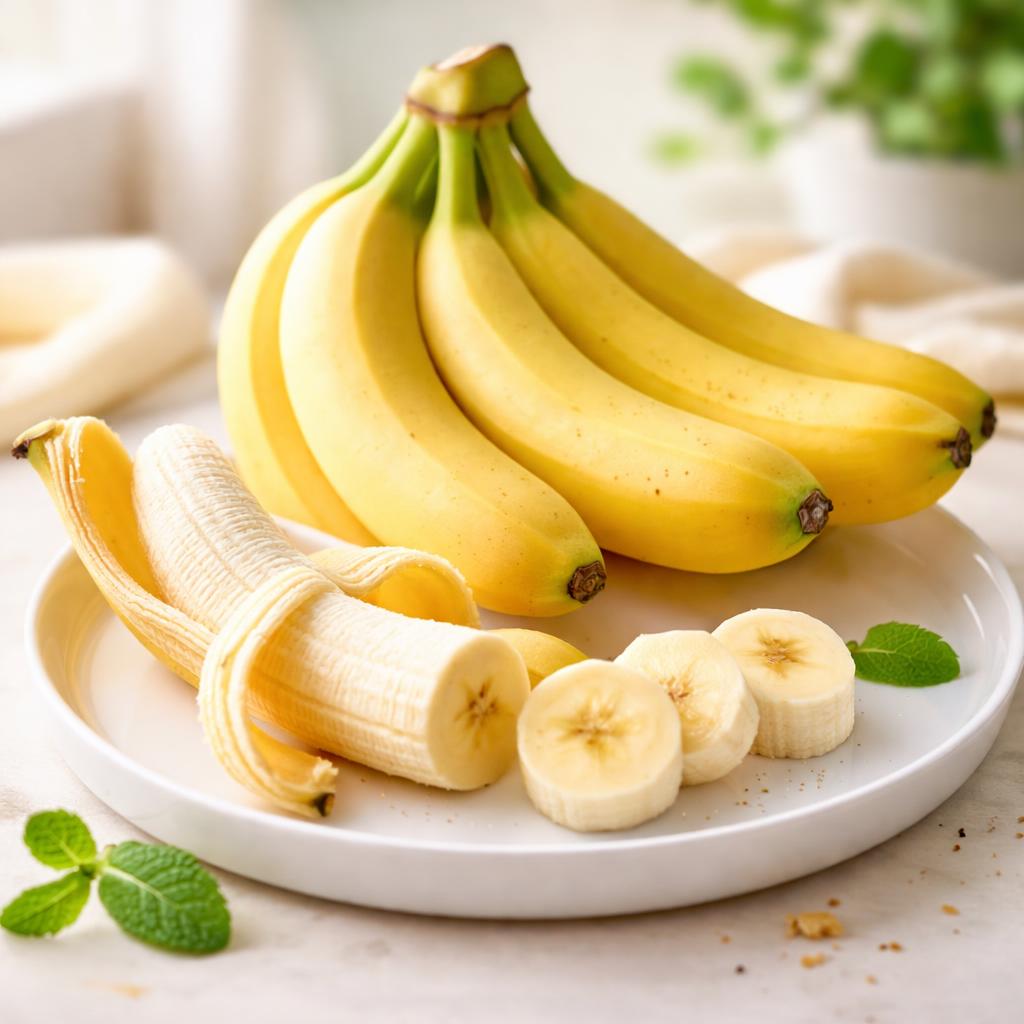
Banana
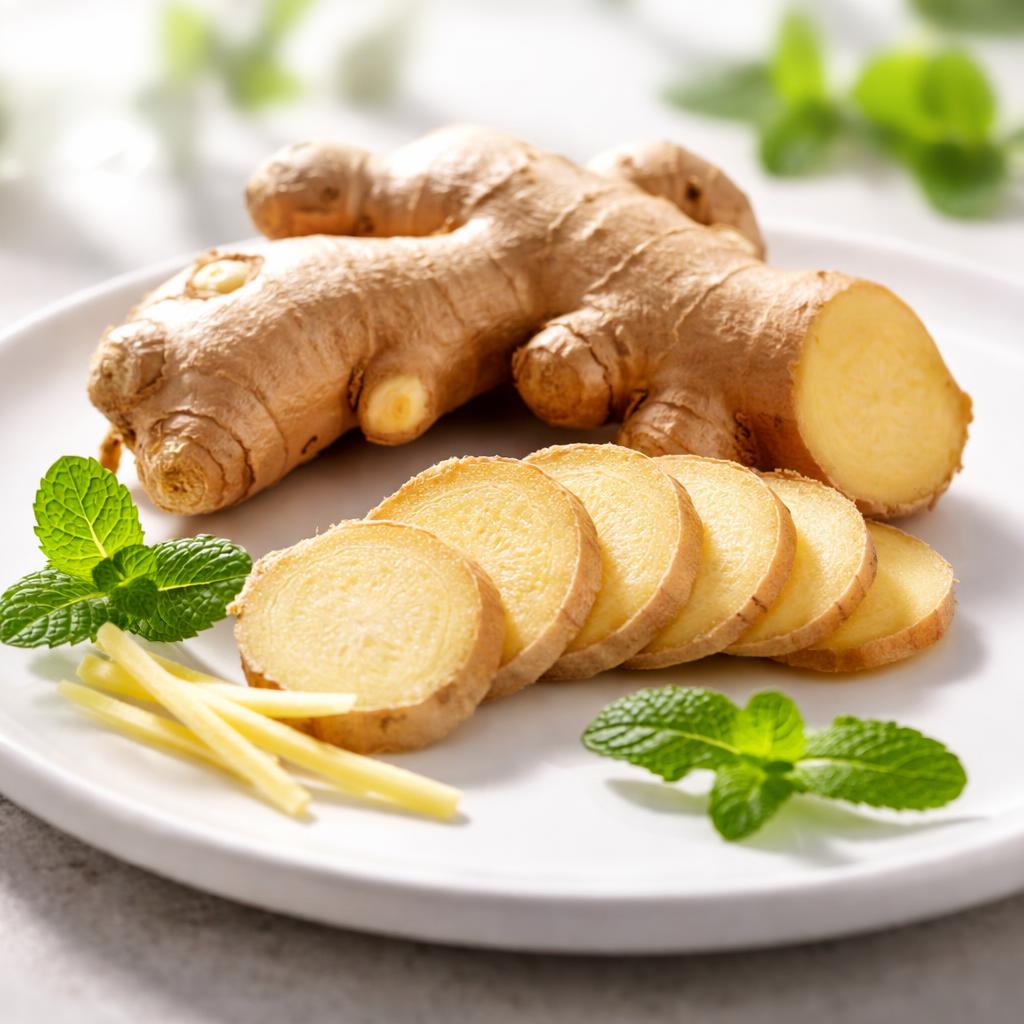
Ginger
🎯 Quick Verdict
Bananas and ginger have distinct nutritional profiles tailored to different dietary needs. Bananas are higher in calories, fiber, and carbohydrates, making them excellent for energy replenishment. Ginger, on the other hand, is much lower in calories and renowned for its antioxidants and anti-inflammatory properties, offering a flavorful addition without significant caloric impact.

Smart Nutrition Tracking with SnapCalorie

📊 Nutritional Comparison
Macronutrients
| Nutrient | Food 1 | Food 2 | Winner |
|---|---|---|---|
| Calories | 105 | 80 | ✓ |
| Protein | 1.3g | 0.8g | ✓ |
| Carbs | 27g | 18g | ✓ |
| Fat | 0.3g | 0.8g | ✓ |
| Fiber | 3.1g | 2g | ✓ |
Vitamins & Minerals
| Nutrient | Food 1 | Food 2 | Winner |
|---|---|---|---|
| Vitamin C | 10mg | 5mg | ✓ |
| Vitamin B6 | 0.4mg | 0.16mg | ✓ |
| Potassium | 422mg | 415mg | ✓ |
🏆 Category Winners
Protein
Banana provides 62.5% more protein per serving than ginger.
Fiber
Banana has 55% more fiber per serving compared to ginger.
Calories
Ginger is 24% lower in calories than banana per serving.
Vitamins
Banana contains higher levels of Vitamin C, B6, and potassium compared to ginger.
🥗 Diet Compatibility
Keto
Food 1: Not Compatible
Food 2: Compatible
Ginger's lower carbs make it keto-friendly, while banana's high carbs do not.
Vegan
Food 1: Compatible
Food 2: Compatible
Both foods are plant-based and suitable for vegan diets.
Gluten Free
Food 1: Compatible
Food 2: Compatible
Neither banana nor ginger contains gluten.
Paleo
Food 1: Compatible
Food 2: Compatible
Both are whole, natural foods suitable for paleo diets.
Low-Carb
Food 1: Not Compatible
Food 2: Compatible
Banana is high in carbs, whereas ginger is a lower-carb alternative.
💪 Health Benefits Comparison
Food 1 Benefits
- High in potassium, supporting heart health and electrolyte balance
- Rich in Vitamin B6, aiding metabolism and brain function
- Good source of dietary fiber for digestion
Food 2 Benefits
- Contains antioxidants that combat oxidative stress
- Anti-inflammatory properties may help reduce muscle soreness and joint pain
- Supports immune health through its bioactive compounds
✅ The Bottom Line
Choose banana for energy and nutrient density, especially for active lifestyles or post-workout recovery. Opt for ginger as a low-calorie, anti-inflammatory addition to meals or beverages, especially for those on low-carb diets.
Choose Food 1 for: Energy replenishment, post-workout snacks, digestive support
Choose Food 2 for: Anti-inflammatory benefits, immune support, low-calorie diets


