Banana VS Fruit Juice
A detailed nutritional comparison
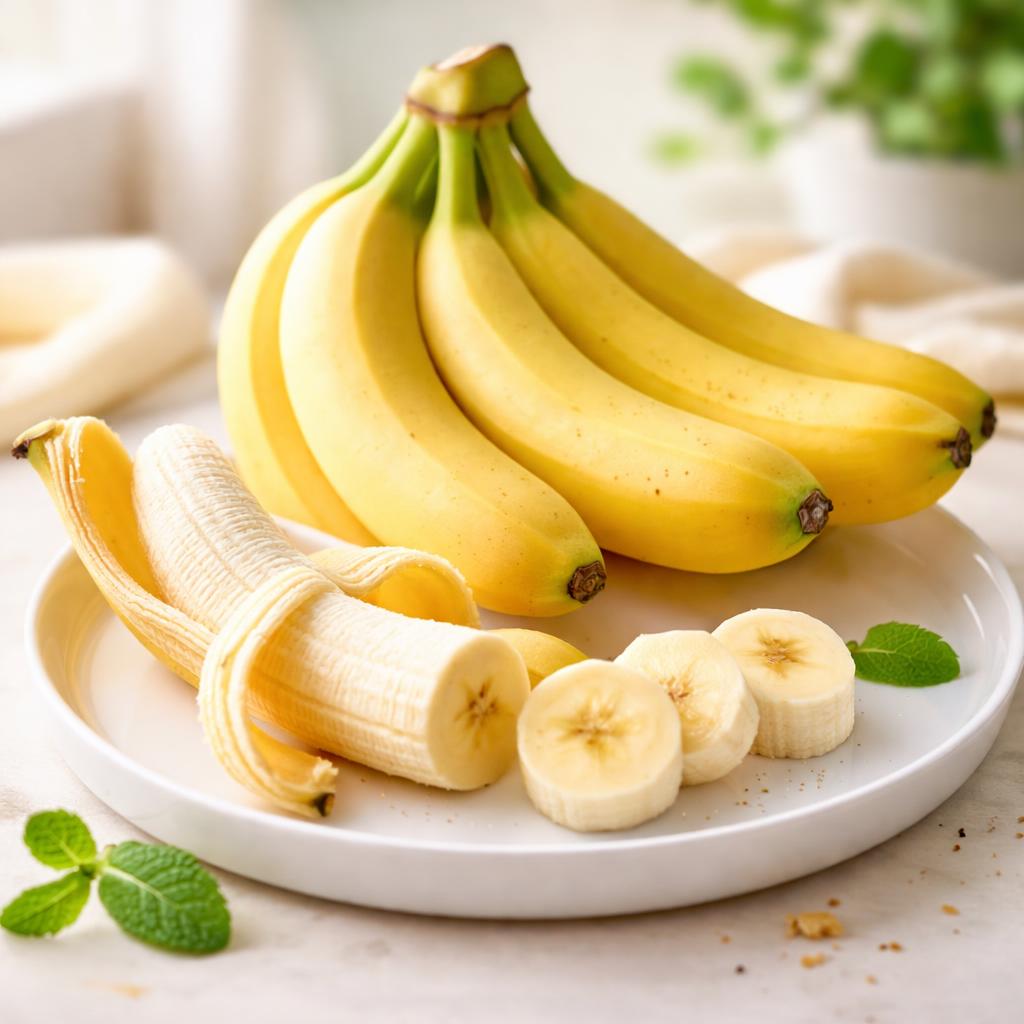
Banana
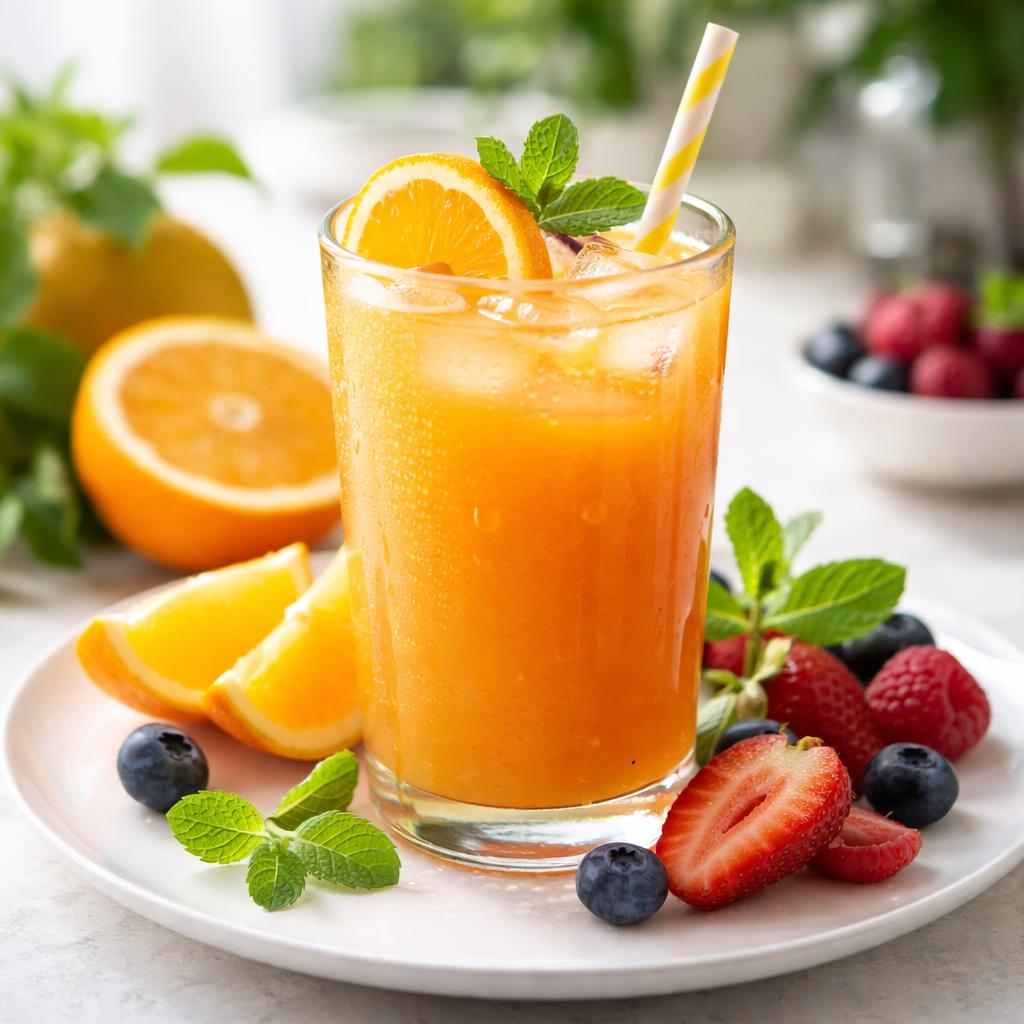
Fruit Juice
🎯 Quick Verdict
Bananas and fruit juice differ greatly in their nutritional profiles. A banana provides more fiber, fewer calories, and is less processed, making it a better choice for satiety and digestive health. Fruit juice is higher in sugar and often lacks fiber, but it can provide quick energy when needed.

Smart Nutrition Tracking with SnapCalorie

📊 Nutritional Comparison
Macronutrients
| Nutrient | Food 1 | Food 2 | Winner |
|---|---|---|---|
| Calories | 105 | 120 | − |
| Protein | 1g | 1g | − |
| Carbs | 27g | 30g | − |
| Fat | 0.3g | 0g | − |
| Fiber | 3g | 0g | − |
Vitamins & Minerals
| Nutrient | Food 1 | Food 2 | Winner |
|---|---|---|---|
| Vitamin C | 10mg | 25mg | − |
| Potassium | 400mg | 300mg | − |
| Vitamin A | 76IU | 200IU | − |
🏆 Category Winners
Protein
Both provide negligible protein with 1g per serving.
Fiber
Banana provides 3g of fiber vs 0g in fruit juice.
Calories
Banana has 105 calories compared to 120 calories for fruit juice.
Vitamins
Fruit juice is higher in Vitamin C and Vitamin A than a banana.
🥗 Diet Compatibility
Keto
Food 1: Not Compatible
Food 2: Not Compatible
Both are high in carbs and unsuitable for keto diets.
Vegan
Food 1: Compatible
Food 2: Compatible
Both are plant-based and vegan-friendly.
Gluten Free
Food 1: Compatible
Food 2: Compatible
Neither contains gluten.
Paleo
Food 1: Compatible
Food 2: Partially Compatible
Bananas align with paleo principles, but processed fruit juice may not depending on additives.
Low Carb
Food 1: Not Compatible
Food 2: Not Compatible
Both are high in carbohydrates due to natural sugars.
💪 Health Benefits Comparison
Food 1 Benefits
- High in fiber for digestive health
- Rich in potassium for muscle function and heart health
- Contains natural sugars for steady energy
Food 2 Benefits
- High in Vitamin C for immune support
- Offers quick energy due to natural sugar content
- Convenient and hydrating option
✅ The Bottom Line
Bananas are a better overall choice than fruit juice for most dietary needs, offering fiber and fewer calories while being less processed. Fruit juice may suit situations requiring quick energy or a Vitamin C boost but should be consumed in moderation due to its high sugar content.
Choose Food 1 for: Satiety, digestive health, as a snack or in smoothies
Choose Food 2 for: Quick energy, immune boost, hydration


