Banana VS Frozen Yogurt
A detailed nutritional comparison
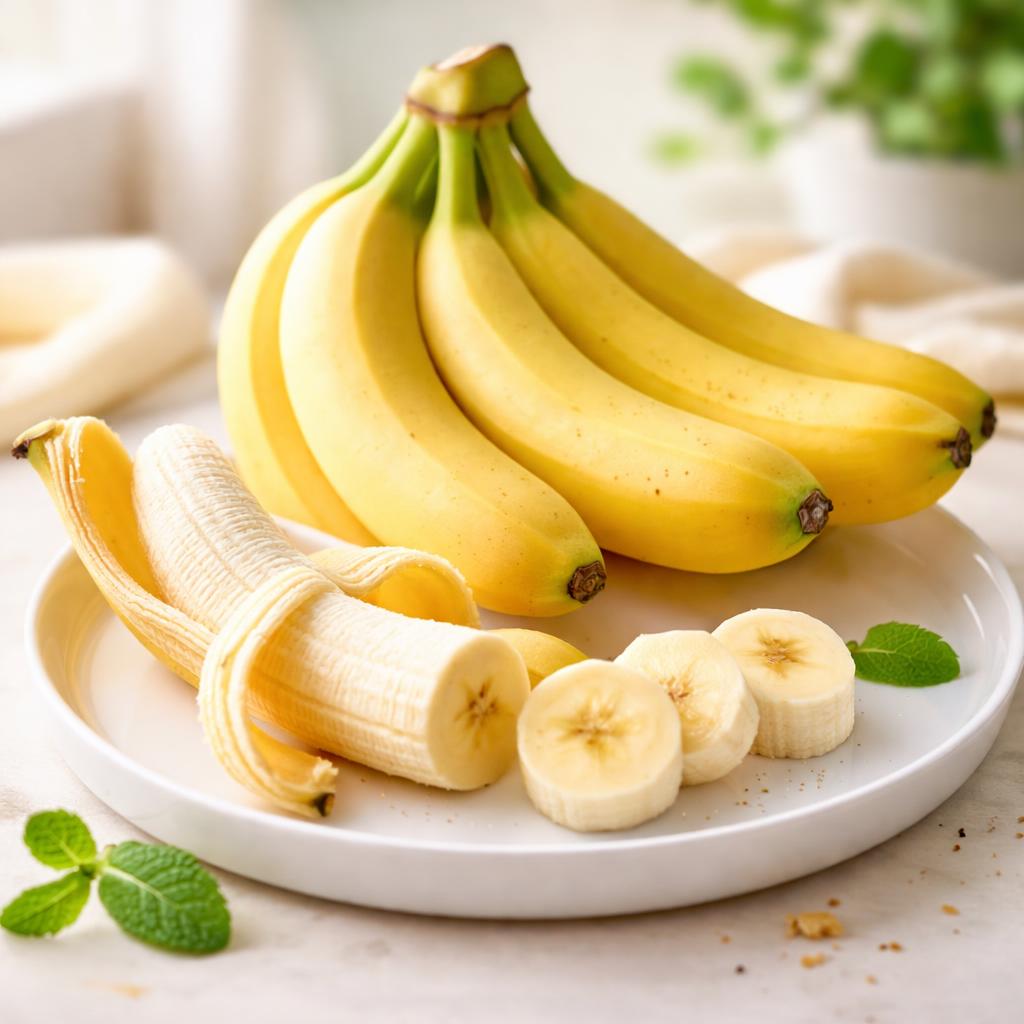
Banana

Frozen Yogurt
🎯 Quick Verdict
Bananas are lower in calories and higher in fiber, making them a better choice for digestion and weight management. Frozen yogurt, however, provides more protein and beneficial probiotics, which are useful for gut health and post-workout recovery. Both have unique health benefits, depending on your dietary goals.

Smart Nutrition Tracking with SnapCalorie

📊 Nutritional Comparison
Macronutrients
| Nutrient | Food 1 | Food 2 | Winner |
|---|---|---|---|
| Calories | 89 | 120 | ✓ |
| Protein | 1.1g | 4g | ✓ |
| Carbs | 23g | 22g | ✓ |
| Fat | 0.3g | 2g | ✓ |
| Fiber | 2.6g | 0g | ✓ |
Vitamins & Minerals
| Nutrient | Food 1 | Food 2 | Winner |
|---|---|---|---|
| Vitamin C | 9mg (10% DV) | 0mg | ✓ |
| Calcium | 5mg | 150mg (15% DV) | ✓ |
| Potassium | 358mg | 150mg | ✓ |
🏆 Category Winners
Protein
Frozen yogurt contains four times more protein per serving.
Fiber
Bananas provide 2.6g of fiber, while frozen yogurt contains none.
Calories
Bananas have 26% fewer calories per serving.
Vitamins
Bananas are rich in vitamin C and potassium, which frozen yogurt lacks.
🥗 Diet Compatibility
Keto
Food 1: Not Compatible
Food 2: Not Compatible
Both are high in carbs.
Vegan
Food 1: Compatible
Food 2: Not Compatible
Frozen yogurt is typically dairy-based, whereas bananas are plant-based.
Gluten Free
Food 1: Compatible
Food 2: Compatible
Both foods are naturally gluten-free.
Paleo
Food 1: Compatible
Food 2: Not Compatible
Bananas fit the Paleo diet, but frozen yogurt does not due to added dairy and sugar.
Low Carb
Food 1: Not Compatible
Food 2: Not Compatible
Both are carb-dense foods.
💪 Health Benefits Comparison
Food 1 Benefits
- Rich in potassium for heart health and muscle function
- Good source of fiber to support digestion
- Contains vitamin C for immune health
Food 2 Benefits
- Higher protein content supports muscle repair and growth
- Contains probiotics for improved gut health
- Provides calcium to support bone health
✅ The Bottom Line
Bananas are better suited for weight management, digestion, and boosting vital nutrients like potassium and vitamin C. Meanwhile, frozen yogurt is an excellent choice for protein needs, probiotics, and bone health thanks to its calcium content. Choose bananas for a quick, natural snack and frozen yogurt for a post-workout treat or dessert complement.
Choose Food 1 for: Weight loss, digestive health, natural energy boost
Choose Food 2 for: Post-workout recovery, gut health, dessert replacement


