Banana VS Fritter
A detailed nutritional comparison
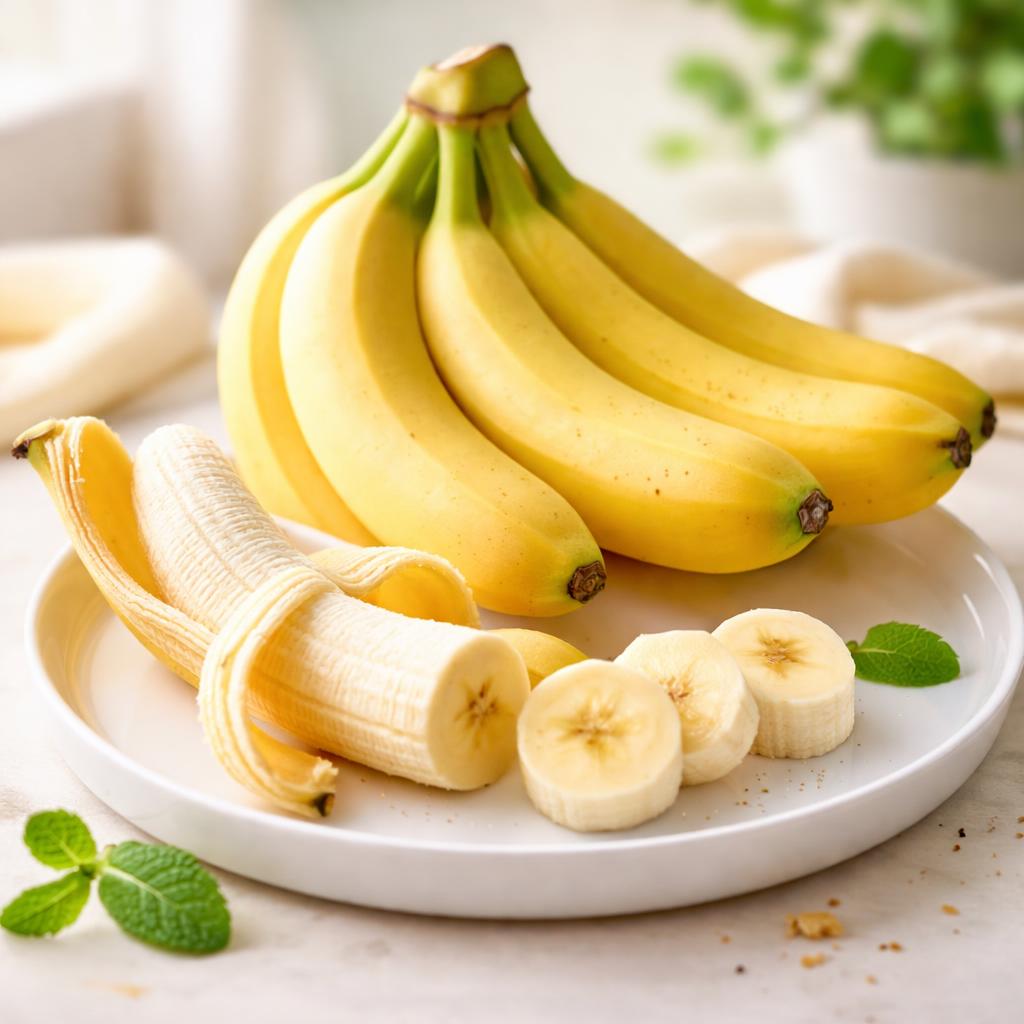
Banana
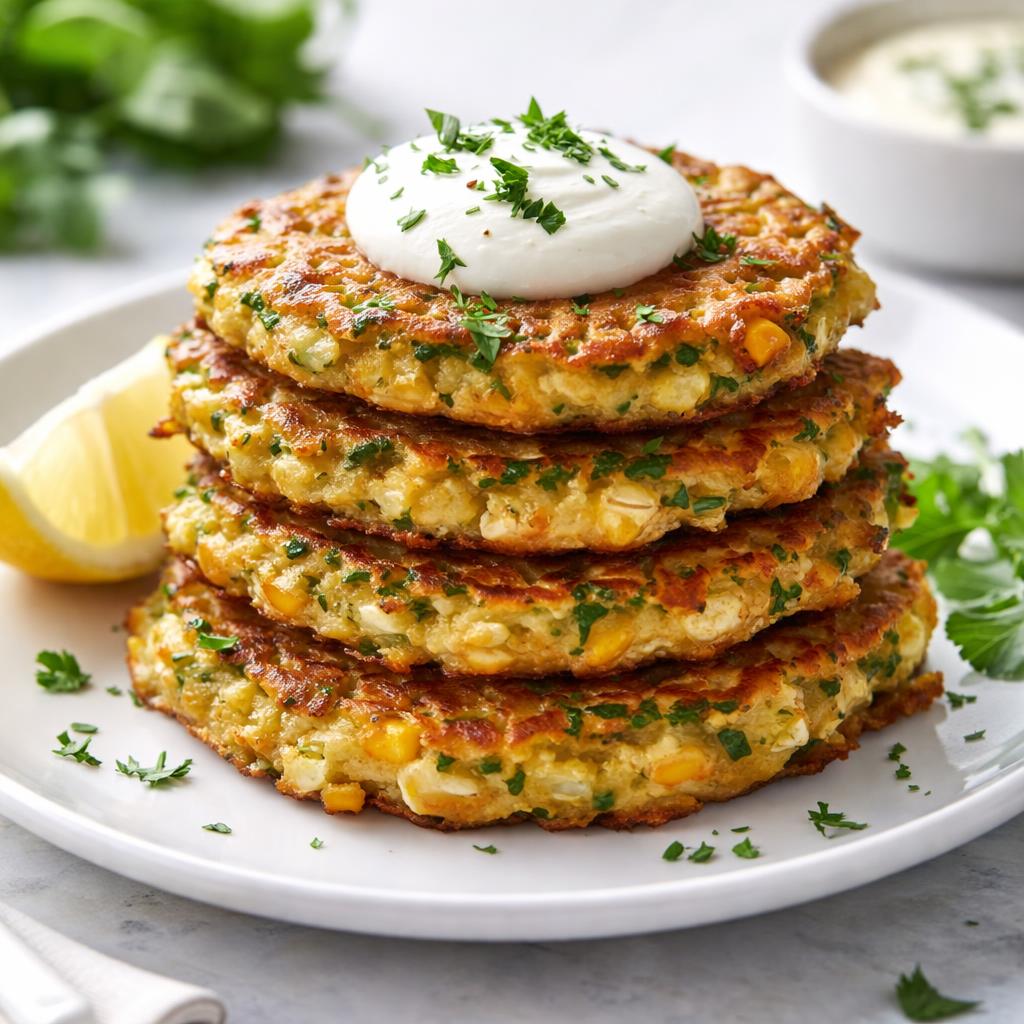
Fritter
🎯 Quick Verdict
Bananas and fritters have vastly different nutritional profiles. Bananas are lower in calories, higher in fiber, and rich in potassium, making them ideal for a healthy snack or energy boost. Fritters are higher in protein and fat, but also much higher in calories due to frying, making them a more indulgent option better suited for occasional treats rather than everyday consumption.

Smart Nutrition Tracking with SnapCalorie

📊 Nutritional Comparison
Macronutrients
| Nutrient | Food 1 | Food 2 | Winner |
|---|---|---|---|
| Calories | 105 | 300 | − |
| Protein | 1g | 5g | − |
| Carbs | 27g | 34g | − |
| Fat | 0.3g | 16g | − |
| Fiber | 3g | 1g | − |
Vitamins & Minerals
| Nutrient | Food 1 | Food 2 | Winner |
|---|---|---|---|
| Vitamin C | 10mg | 1mg | − |
| Potassium | 422mg | 150mg | − |
| Calcium | 6mg | 20mg | − |
🏆 Category Winners
Protein
Fritter provides 4g more protein than banana.
Fiber
Banana offers 3 times more fiber than fritter.
Calories
Banana has 65% fewer calories than fritter.
Vitamins
Banana is significantly higher in Vitamin C and potassium.
🥗 Diet Compatibility
Keto
Food 1: Not Compatible
Food 2: Not Compatible
Both foods are high in carbs.
Vegan
Food 1: Compatible
Food 2: Compatible
Both foods are plant-based (assuming fritter is vegan).
Gluten Free
Food 1: Compatible
Food 2: Not Compatible
Banana is naturally gluten-free, but fritter may contain wheat flour.
Paleo
Food 1: Compatible
Food 2: Not Compatible
Banana fits paleo guidelines; fritter contains processed ingredients.
Low Carb
Food 1: Not Compatible
Food 2: Not Compatible
Both foods exceed typical low-carb thresholds.
💪 Health Benefits Comparison
Food 1 Benefits
- High in potassium, supports heart health and muscle function
- Rich in fiber, aids digestion and promotes satiety
- Provides natural sugars for an energy boost
- Contains Vitamin C for immune health
Food 2 Benefits
- Higher in protein for muscle repair
- Can be a source of energy due to higher calorie content
- Provides small amounts of calcium for bone health
- Fried fats may offer immediate satiety but should be limited for heart health
✅ The Bottom Line
Choose bananas for a nutrient-dense, low-calorie snack that provides fiber, vitamins, and energy for workouts or daily health. Opt for fritters sparingly as a more indulgent choice, primarily when craving something richer and more satisfying.
Choose Food 1 for: Healthy snacks, energy boost, weight management
Choose Food 2 for: Occasional indulgence, higher protein needs, comfort foods


