Banana VS Fried
A detailed nutritional comparison
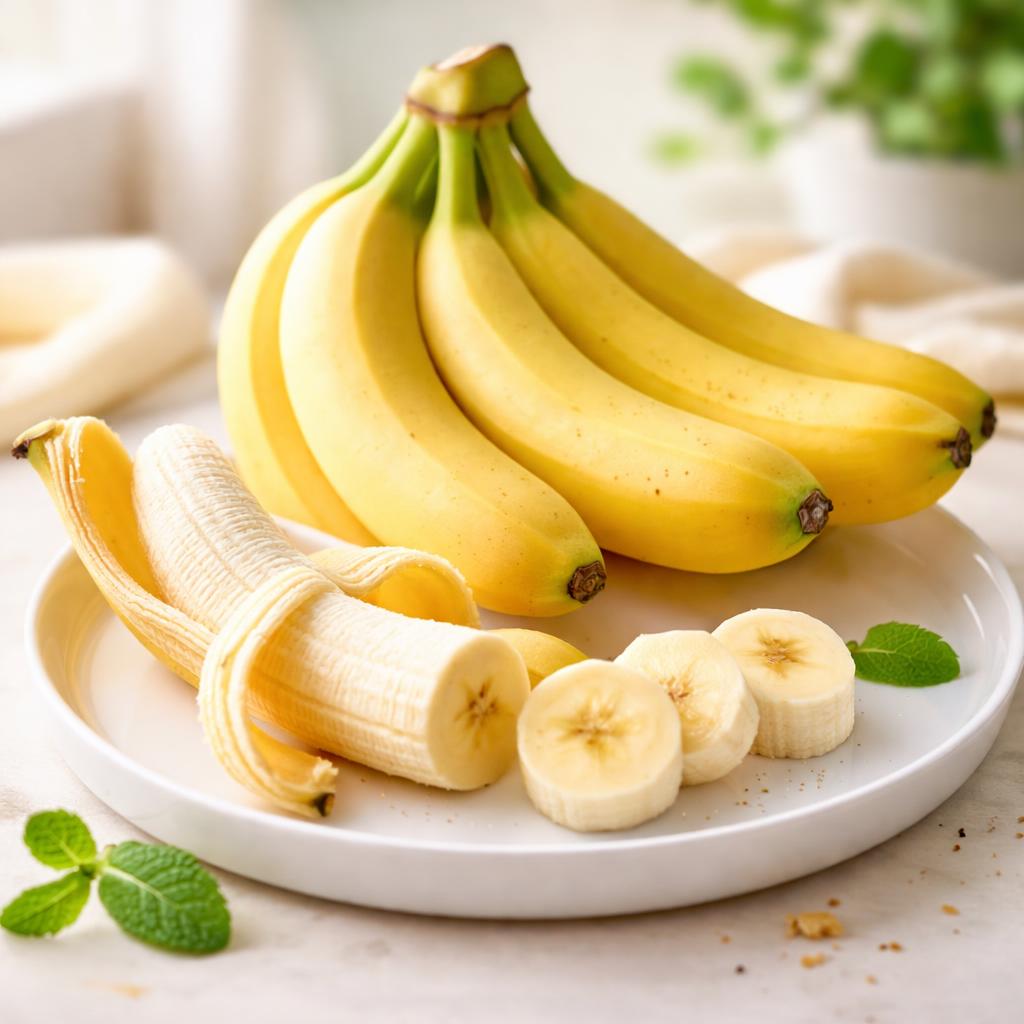
Banana

Fried
🎯 Quick Verdict
Bananas are a nutrient-dense fruit high in fiber, potassium, and vitamin C, making them ideal for energy and digestion. Fried foods are calorie-dense, often containing higher fat and protein, but lack significant vitamins or minerals. Bananas are better suited for healthy day-to-day choices, while fried foods may satisfy cravings but should be consumed in moderation due to health risks associated with high fat content.

Smart Nutrition Tracking with SnapCalorie

📊 Nutritional Comparison
Macronutrients
| Nutrient | Food 1 | Food 2 | Winner |
|---|---|---|---|
| Calories | 105 | 312 | ✓ |
| Protein | 1.3g | 3g | ✓ |
| Carbs | 27g | 20g | ✓ |
| Fat | 0.3g | 15g | ✓ |
| Fiber | 3g | 0.5g | ✓ |
Vitamins & Minerals
| Nutrient | Food 1 | Food 2 | Winner |
|---|---|---|---|
| Vitamin C | 10mg | 0mg | ✓ |
| Potassium | 422mg | 200mg | ✓ |
| Iron | 0.3mg | 0.2mg | ✓ |
🏆 Category Winners
Protein
Fried foods contain over double the protein of bananas.
Fiber
Bananas provide six times more fiber, aiding digestion.
Calories
Bananas have roughly one-third the calories of fried foods.
Vitamins
Bananas offer significantly higher vitamin C and potassium per serving.
🥗 Diet Compatibility
Keto
Food 1: Not Compatible
Food 2: Not Compatible
Neither food is low-carb.
Vegan
Food 1: Compatible
Food 2: Varies
Bananas are always vegan; fried foods may contain animal-derived ingredients.
Gluten Free
Food 1: Compatible
Food 2: Varies
Bananas are naturally gluten-free; fried foods may be contaminated or made with gluten-containing coatings.
Paleo
Food 1: Compatible
Food 2: Not Compatible
Bananas meet paleo guidelines, but fried foods typically do not fit the paleo diet due to processed ingredients.
Low-Carb
Food 1: Not Compatible
Food 2: Not Compatible
Both foods are fairly high in carbohydrates.
💪 Health Benefits Comparison
Food 1 Benefits
- Rich in potassium for heart health and muscle function
- High in fiber for improved digestion
- Provides antioxidants such as vitamin C to strengthen immune response
Food 2 Benefits
- Protein content may support muscle repair
- Fat provides a concentrated energy source
- Can offer temporary satiety due to calorie density
✅ The Bottom Line
Bananas are an excellent choice for a nutrient-packed, low-calorie snack or post-workout recovery thanks to their potassium and vitamin C. Fried foods, while protein-rich, should be consumed sparingly due to high calorie and fat content, making them less suitable for everyday diets.
Choose Food 1 for: Healthy snacking, digestion, active lifestyles
Choose Food 2 for: Occasional indulgence, protein supplementation


