Banana VS Food
A detailed nutritional comparison
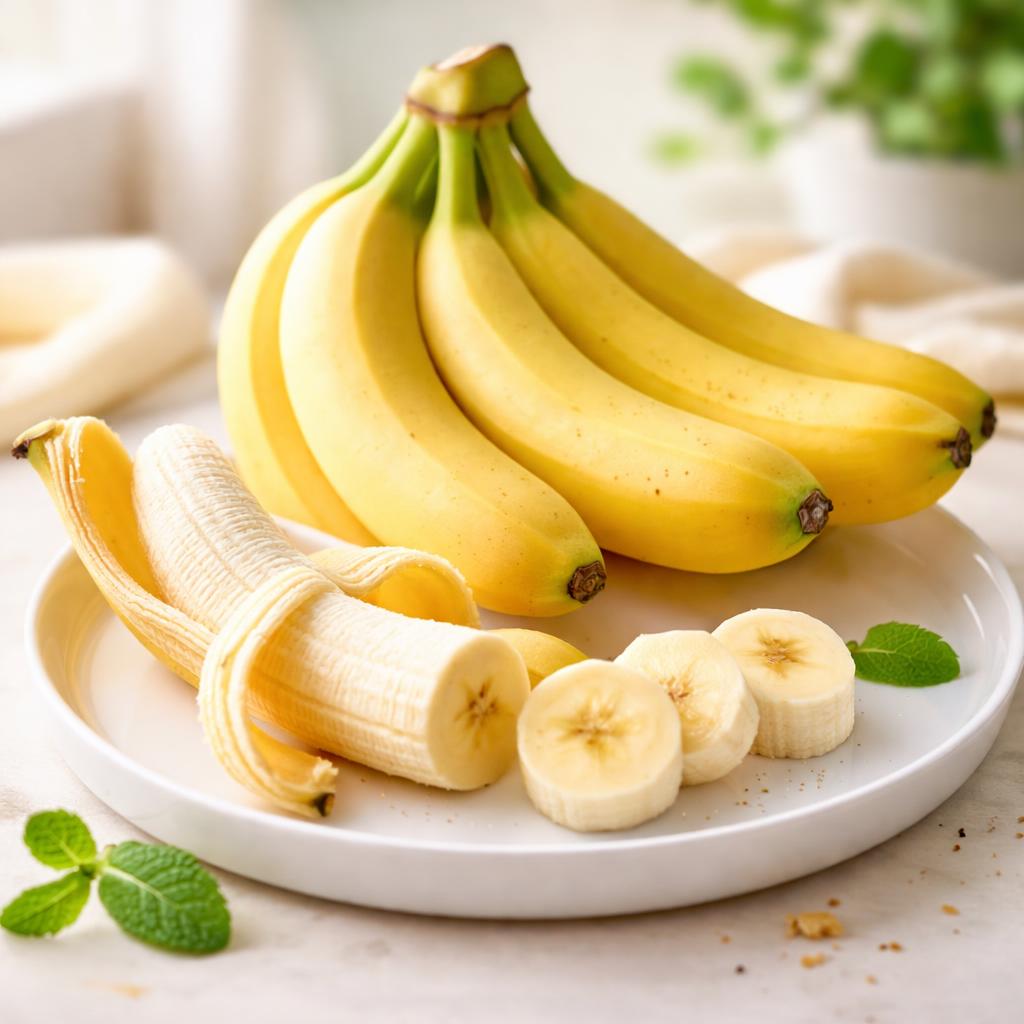
Banana
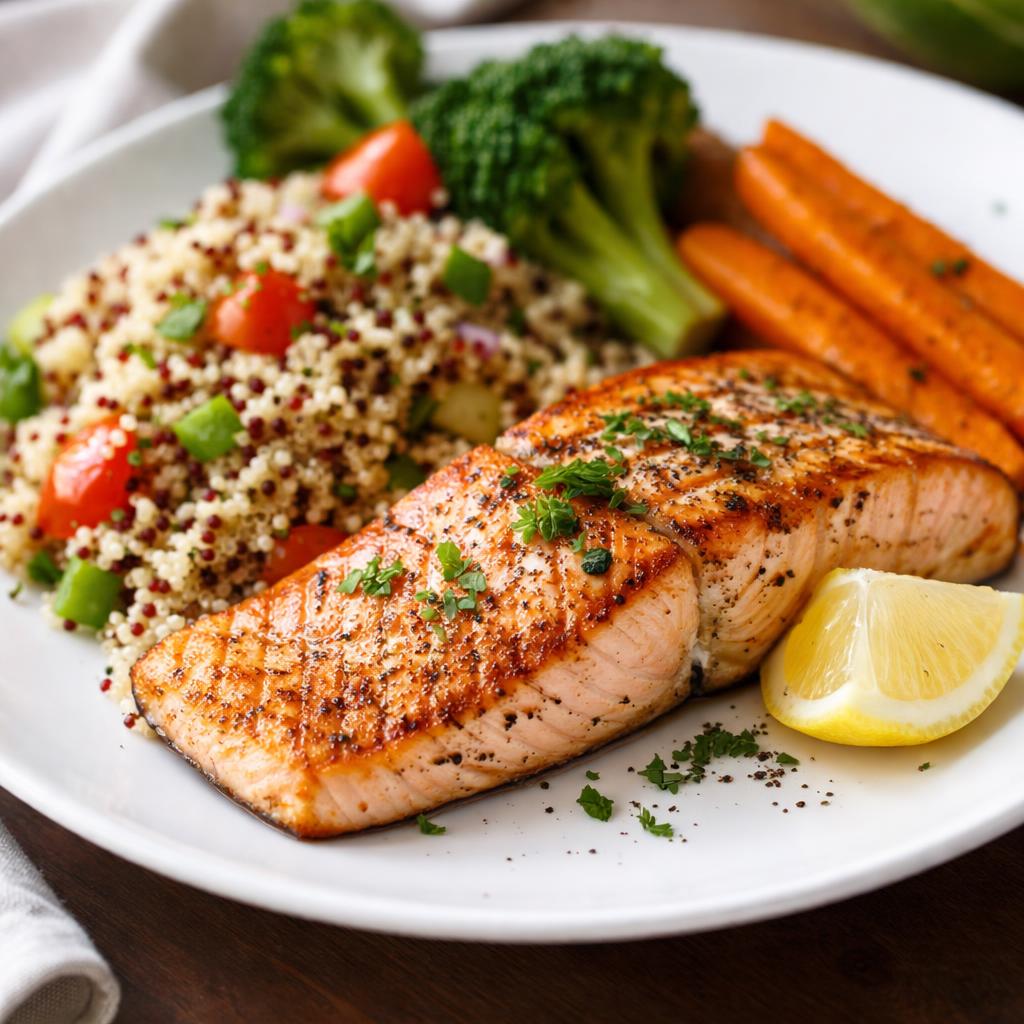
Food
🎯 Quick Verdict
Bananas (food1) are nutrient-dense and provide lower calories, more fiber, and essential vitamins such as Vitamin C and potassium. Food2 generally provides more protein and healthy fats, making it suitable for muscle development and heart health. Use bananas for quick energy boosts and food2 for meal components rich in protein and healthy fats.

Smart Nutrition Tracking with SnapCalorie

📊 Nutritional Comparison
Macronutrients
| Nutrient | Food 1 | Food 2 | Winner |
|---|---|---|---|
| Calories | 105 | 150 | ✓ |
| Protein | 1.3g | 10g | ✓ |
| Carbs | 27g | 5g | ✓ |
| Fat | 0.3g | 8g | ✓ |
| Fiber | 3g | 2g | ✓ |
Vitamins & Minerals
| Nutrient | Food 1 | Food 2 | Winner |
|---|---|---|---|
| Vitamin C | 9mg | 1mg | ✓ |
| Potassium | 422mg | 300mg | ✓ |
| Vitamin D | 0mcg | 1mcg | ✓ |
🏆 Category Winners
Protein
Food2 contains significantly more protein with 10g versus banana's 1.3g.
Fiber
Bananas provide 3g of fiber, 50% more than food2.
Calories
Bananas are lower-calorie at 105 per serving compared to food2's 150.
Vitamins
Bananas have higher Vitamin C and potassium levels than food2.
🥗 Diet Compatibility
Keto
Food 1: Not Compatible
Food 2: Compatible
Bananas are high-carb, while food2 is low-carb (5g per serving).
Vegan
Food 1: Compatible
Food 2: Compatible
Both foods are plant-based or derived from vegan-compatible sources.
Gluten Free
Food 1: Compatible
Food 2: Compatible
Neither contains gluten.
Paleo
Food 1: Compatible
Food 2: Compatible
Both foods align with paleo guidelines.
Low-Carb
Food 1: Not Compatible
Food 2: Compatible
Bananas are high-carb with 27g of carbohydrates.
💪 Health Benefits Comparison
Food 1 Benefits
- Excellent source of potassium for muscle and nerve function
- Provides natural sugars for quick energy
- Supports immune health with Vitamin C
- Contains dietary fiber for improved digestion
Food 2 Benefits
- High protein content for muscle growth and repair
- Contains healthy fats for heart and brain health
- Lower carbohydrates, making it suitable for weight management and keto diets
- Source of Vitamin D for bone and immune health
✅ The Bottom Line
Choose bananas for their energy-boosting, fiber-rich, and vitamin-packed profile, especially for pre- or post-exercise snacks. Choose food2 when higher protein and healthy fats are priorities, such as for muscle-building or heart health-focused diets.
Choose Food 1 for: Quick energy, athletic performance, digestive health
Choose Food 2 for: Keto-friendly diets, muscle growth, healthy fat intake


