Banana VS Flour
A detailed nutritional comparison
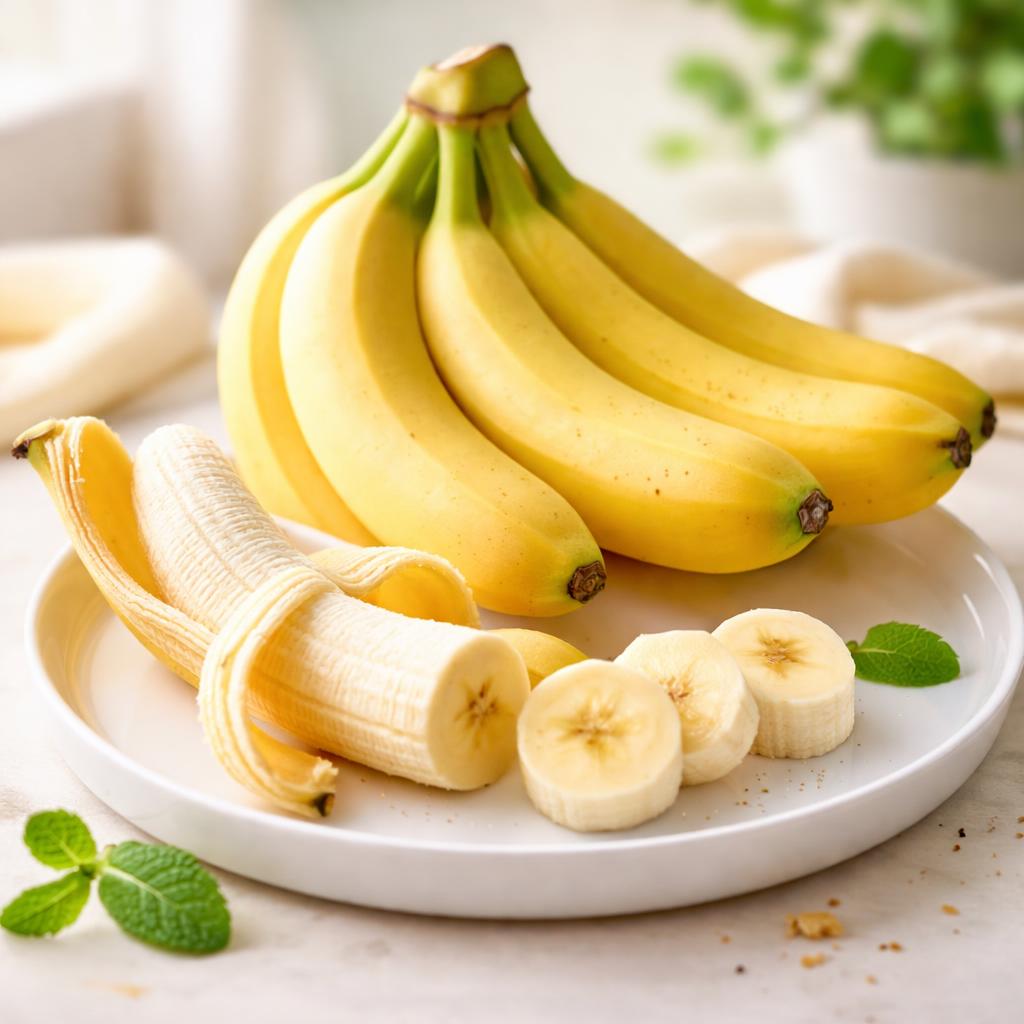
Banana
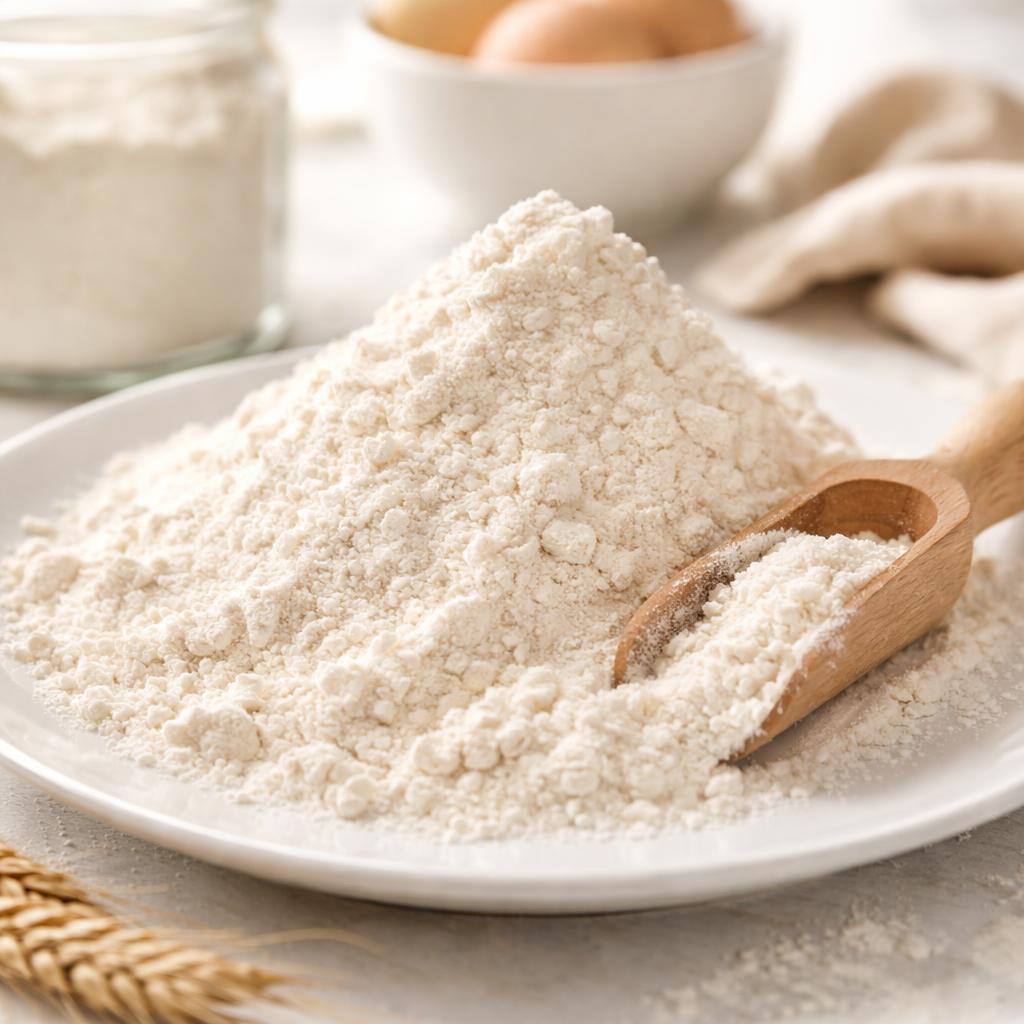
Flour
🎯 Quick Verdict
Bananas and flour differ significantly in their nutrition. Bananas are lower in calories, higher in fiber, and provide natural sugars with several vitamins and minerals, making them ideal for snacking and quick energy. Flour, on the other hand, is higher in protein, versatile for baking, and denser in calories, making it suitable for energy-dense meals or recipes requiring structure and texture.

Smart Nutrition Tracking with SnapCalorie

📊 Nutritional Comparison
Macronutrients
| Nutrient | Food 1 | Food 2 | Winner |
|---|---|---|---|
| Calories | 105 | 364 | ✓ |
| Protein | 1.3g | 10g | ✓ |
| Carbs | 27g | 76g | ✓ |
| Fat | 0.3g | 1g | ✓ |
| Fiber | 3.1g | 2.7g | ✓ |
Vitamins & Minerals
| Nutrient | Food 1 | Food 2 | Winner |
|---|---|---|---|
| Vitamin A | 76 IU | 0 IU | ✓ |
| Vitamin C | 10mg | 0mg | ✓ |
| Potassium | 422mg | 107mg | ✓ |
| Iron | 0.3mg | 4.1mg | ✓ |
| Calcium | 6mg | 14mg | ✓ |
🏆 Category Winners
Protein
Flour contains 7x more protein per 100g serving than banana.
Fiber
Bananas provide slightly more fiber, supporting better digestion.
Calories
Bananas are far lower in calories, ideal for lighter meals or snacks.
Vitamins
Bananas offer a rich source of vitamins like C and potassium, which flour lacks.
🥗 Diet Compatibility
Keto
Food 1: Not Compatible
Food 2: Not Compatible
Both contain too many carbs for a keto diet.
Vegan
Food 1: Compatible
Food 2: Compatible
Both are plant-based foods.
Gluten Free
Food 1: Compatible
Food 2: Not Compatible
Bananas are naturally gluten-free, while flour typically contains gluten.
Paleo
Food 1: Compatible
Food 2: Not Compatible
Bananas fit the whole-foods diet, whereas processed flour does not.
Low Carb
Food 1: Not Compatible
Food 2: Not Compatible
Both are relatively high in carbohydrates.
💪 Health Benefits Comparison
Food 1 Benefits
- Rich in potassium for heart and muscle health.
- Source of antioxidants like vitamin C for immune support.
- Offers quick, natural energy from simple sugars.
- Contains dietary fiber for improved digestion.
Food 2 Benefits
- High in protein for satiety and muscle maintenance.
- Provides iron and calcium, essential for bone and blood health.
- Energy-dense, ideal for high-calorie recipes or busy lifestyles.
- Versatile for baking, creating structured recipes and texture.
✅ The Bottom Line
Choose bananas for balanced snacks, fiber, and vitamins essential for overall health and energy. Opt for flour when making baked goods or for protein and sustained energy in recipes that require structure and density.
Choose Food 1 for: Snacking, energy boost, digestion support, healthy desserts.
Choose Food 2 for: Baking, meal preparation requiring texture, protein supplementation in recipes.


