Banana VS Energy Ball
A detailed nutritional comparison
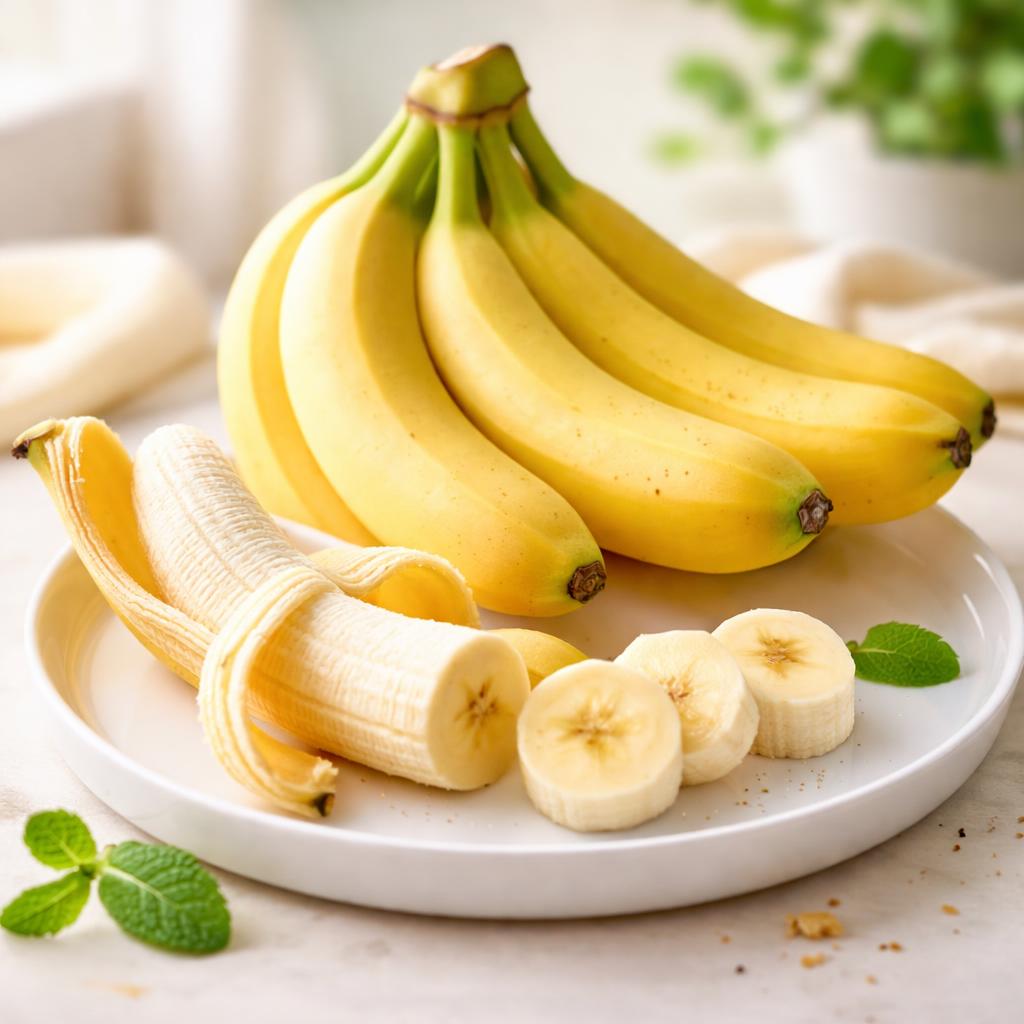
Banana
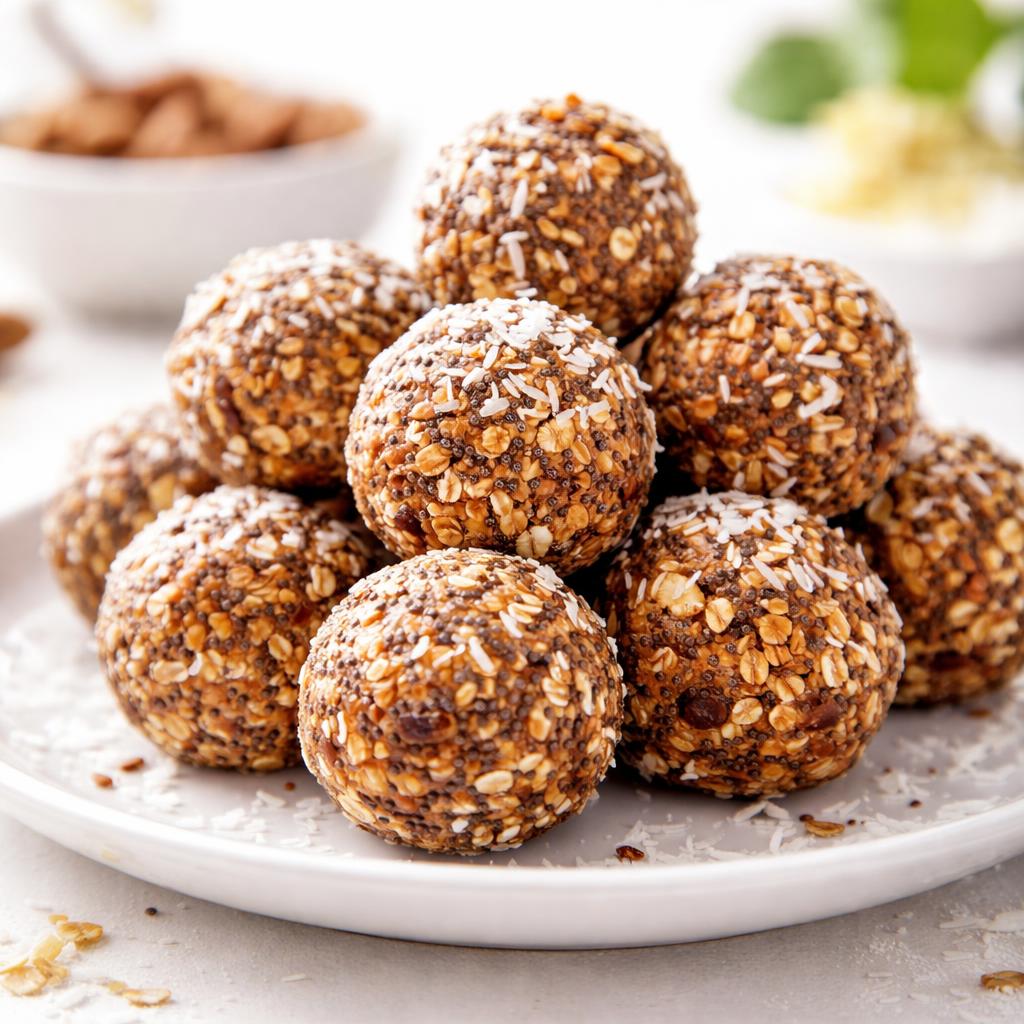
Energy Ball
🎯 Quick Verdict
Bananas are lower in calories and provide natural sugars for quick energy, along with potassium for heart and muscle health. Energy balls, often made with nuts, seeds, and dried fruit, are higher in protein and fiber, making them great for sustained energy and snacking. Both are vegan-friendly options with different use cases depending on your goals.

Smart Nutrition Tracking with SnapCalorie

📊 Nutritional Comparison
Macronutrients
| Nutrient | Food 1 | Food 2 | Winner |
|---|---|---|---|
| Calories | 105 | 180 | ✓ |
| Protein | 1.3g | 5g | ✓ |
| Carbs | 27g | 20g | ✓ |
| Fat | 0.3g | 8g | ✓ |
| Fiber | 3.1g | 4g | ✓ |
Vitamins & Minerals
| Nutrient | Food 1 | Food 2 | Winner |
|---|---|---|---|
| Vitamin C | 10.3mg | 3mg | ✓ |
| Vitamin B6 | 0.4mg | 0.3mg | ✓ |
| Magnesium | 27mg | 45mg | ✓ |
| Iron | 0.3mg | 1.2mg | ✓ |
| Potassium | 422mg | 150mg | ✓ |
🏆 Category Winners
Protein
Food2 has nearly four times the protein content of food1.
Fiber
Food2 is higher in fiber (4g vs 3.1g).
Calories
Food1 contains fewer calories per serving, making it more weight-loss friendly.
Vitamins
Food1 excels in potassium and vitamin C, while food2 is richer in iron and magnesium.
🥗 Diet Compatibility
Keto
Food 1: Not Compatible
Food 2: Compatible
Food2 is lower in carbohydrates and higher in fat, aligning better with keto guidelines.
Vegan
Food 1: Compatible
Food 2: Compatible
Both foods are plant-based and suitable for vegan diets.
Gluten Free
Food 1: Compatible
Food 2: Compatible
Neither food contains gluten ingredients, making them gluten-free.
Paleo
Food 1: Compatible
Food 2: Usually Compatible
Bananas are paleo-friendly; energy balls depend on their ingredients, often adhering to paleo.
Low-Carb
Food 1: Not Compatible
Food 2: Compatible
Food2 is lower in carbohydrates, making it a better option for low-carb diets.
💪 Health Benefits Comparison
Food 1 Benefits
- Rich in potassium for heart health and muscle function
- Provides natural sugars for quick energy
- Contains vitamin C for immune system support
- A good source of digestive-friendly fiber
Food 2 Benefits
- High in protein for muscle repair and sustained energy
- Rich in healthy fats from nuts and seeds, boosting heart health
- Provides fiber for digestive health
- Contains antioxidants and minerals like magnesium and iron
✅ The Bottom Line
Bananas are ideal for a quick energy boost and a portable snack with fewer calories, while energy balls provide a more nutrient-dense option with higher protein and fiber, perfect for a filling snack or fuel before workouts. Choose based on your energy needs and dietary goals.
Choose Food 1 for: Quick energy, low-calorie diets, pre-workout carb boost
Choose Food 2 for: Sustained energy, high-protein diets, nutrient-dense snacking


