Banana VS Dried Fruits
A detailed nutritional comparison
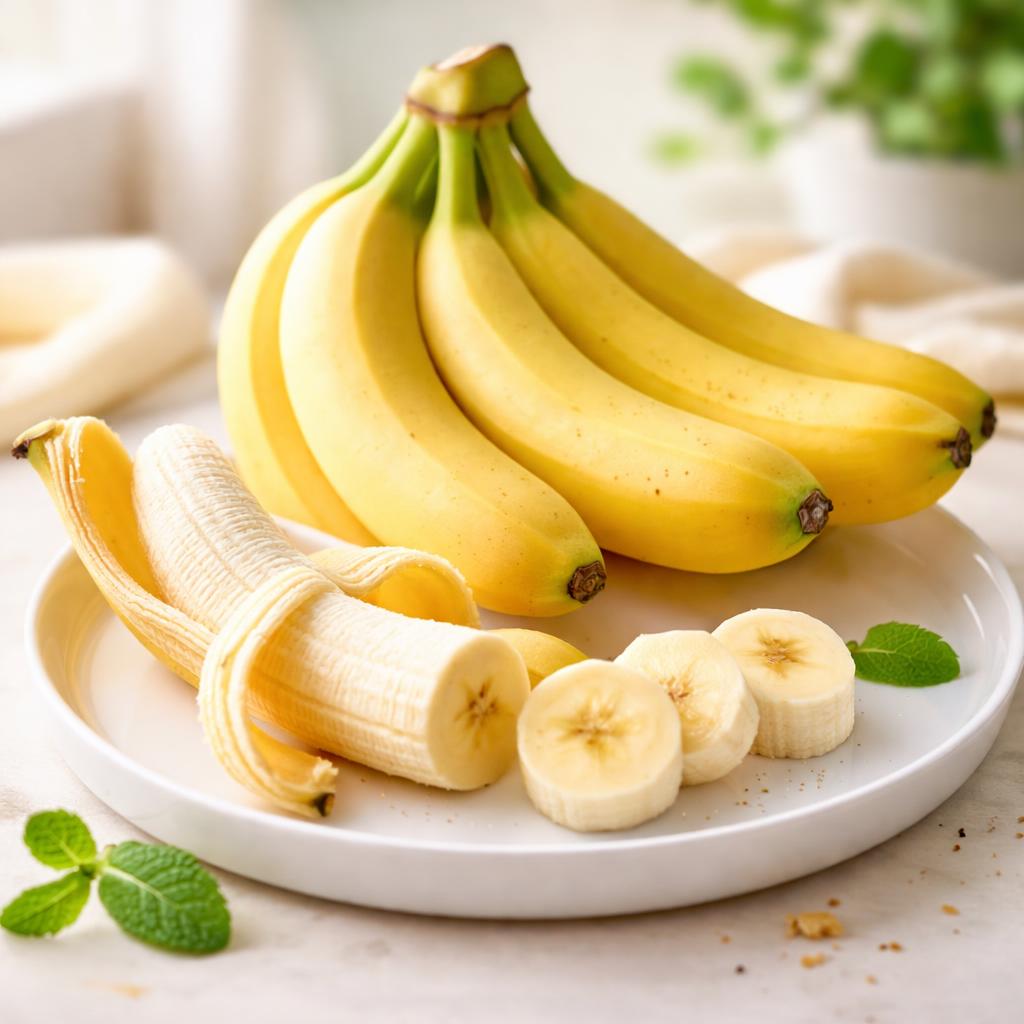
Banana
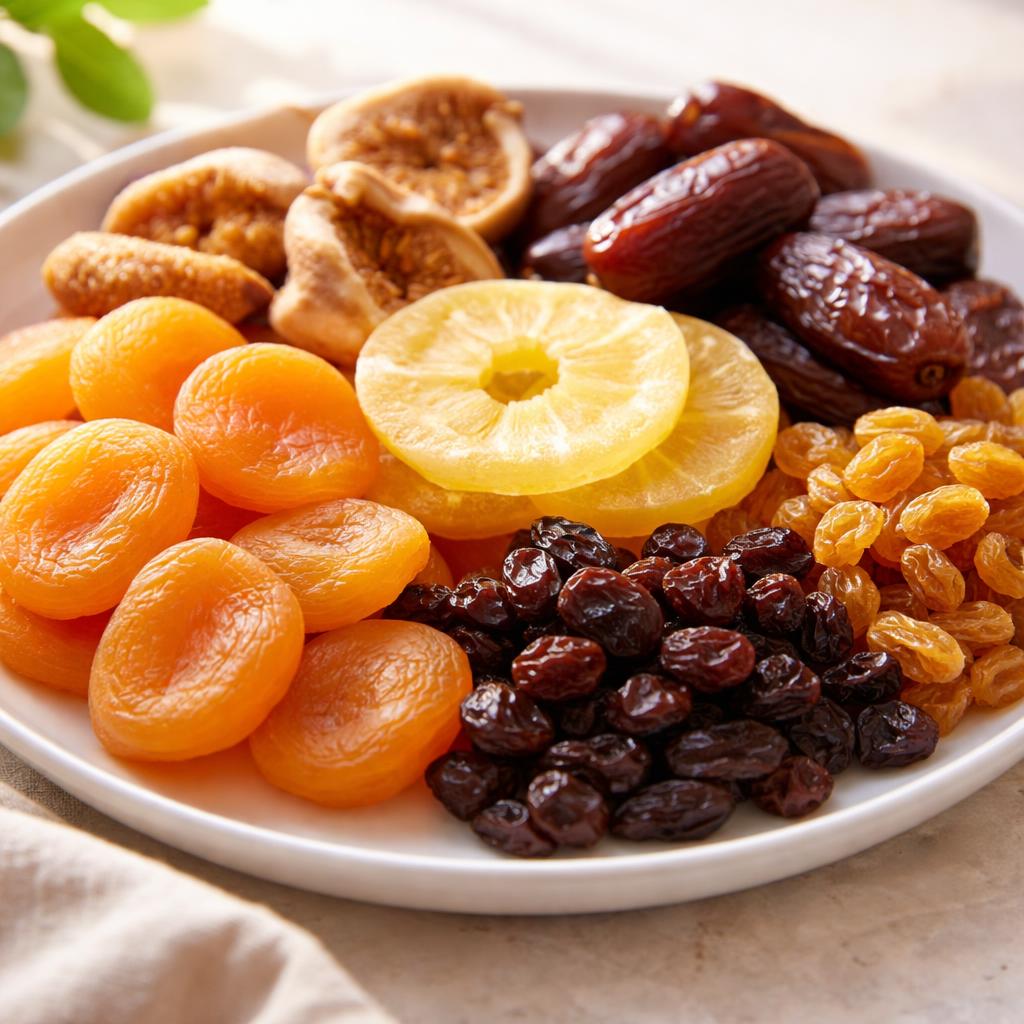
Dried Fruits
🎯 Quick Verdict
Bananas are lower in calories and naturally hydrating, while dried fruits pack more fiber and micronutrients due to their concentrated form. Bananas work well for quick energy, while dried fruits are a nutrient-dense option for snacking or adding to meals in smaller quantities.

Smart Nutrition Tracking with SnapCalorie

📊 Nutritional Comparison
Macronutrients
| Nutrient | Food 1 | Food 2 | Winner |
|---|---|---|---|
| Calories | 105 | 250 (typical, varies by dried fruit type) | ✓ |
| Protein | 1g | 1g | − |
| Carbs | 27g | 66g | ✓ |
| Fat | 0.3g | 0.5g | ✓ |
| Fiber | 3g | 6g | ✓ |
Vitamins & Minerals
| Nutrient | Food 1 | Food 2 | Winner |
|---|---|---|---|
| Vitamin C | 10mg | 0.4mg (typical, varies) | ✓ |
| Potassium | 422mg | 732mg (typical dried apricots) | ✓ |
| Iron | 0.3mg | 1mg (typical dried apricots) | ✓ |
🏆 Category Winners
Protein
Both banana and dried fruits provide similar protein levels, around 1g per serving.
Fiber
Dried fruits offer twice the fiber content of bananas (6g vs 3g).
Calories
Bananas are much lower in calories compared to dried fruits (105 vs 250 per serving).
🥗 Diet Compatibility
Keto
Food 1: Not Compatible
Food 2: Not Compatible
Both are high-carb foods.
Vegan
Food 1: Compatible
Food 2: Compatible
Neither contains animal products.
Gluten Free
Food 1: Compatible
Food 2: Compatible
Neither contains gluten.
Paleo
Food 1: Compatible
Food 2: Compatible
Both are natural, unprocessed foods.
Low-Carb
Food 1: Not Compatible
Food 2: Not Compatible
Both are high in carbohydrates.
💪 Health Benefits Comparison
Food 1 Benefits
- Provides quick energy due to natural sugars
- Rich in potassium for heart and muscle health
- Contains antioxidants like Vitamin C for immune support
Food 2 Benefits
- Higher fiber content aids digestion
- Concentrated source of potassium and iron for electrolyte balance and blood health
- Provides antioxidants depending on the fruit type (e.g., dates or apricots)
✅ The Bottom Line
Bananas are ideal for quick energy boosts and lighter snacking due to their lower calorie content. Dried fruits, while more calorie-dense, are excellent for nutrient-rich snacking or adding concentrated flavor and nutrition to recipes. Choose bananas when prioritizing hydration and freshness, and dried fruits for fiber and micronutrient benefits.
Choose Food 1 for: Quick energy, hydration, post-workout snack
Choose Food 2 for: Long-lasting snacks, fiber boost, nutrient-dense recipes


