Banana VS Dip
A detailed nutritional comparison
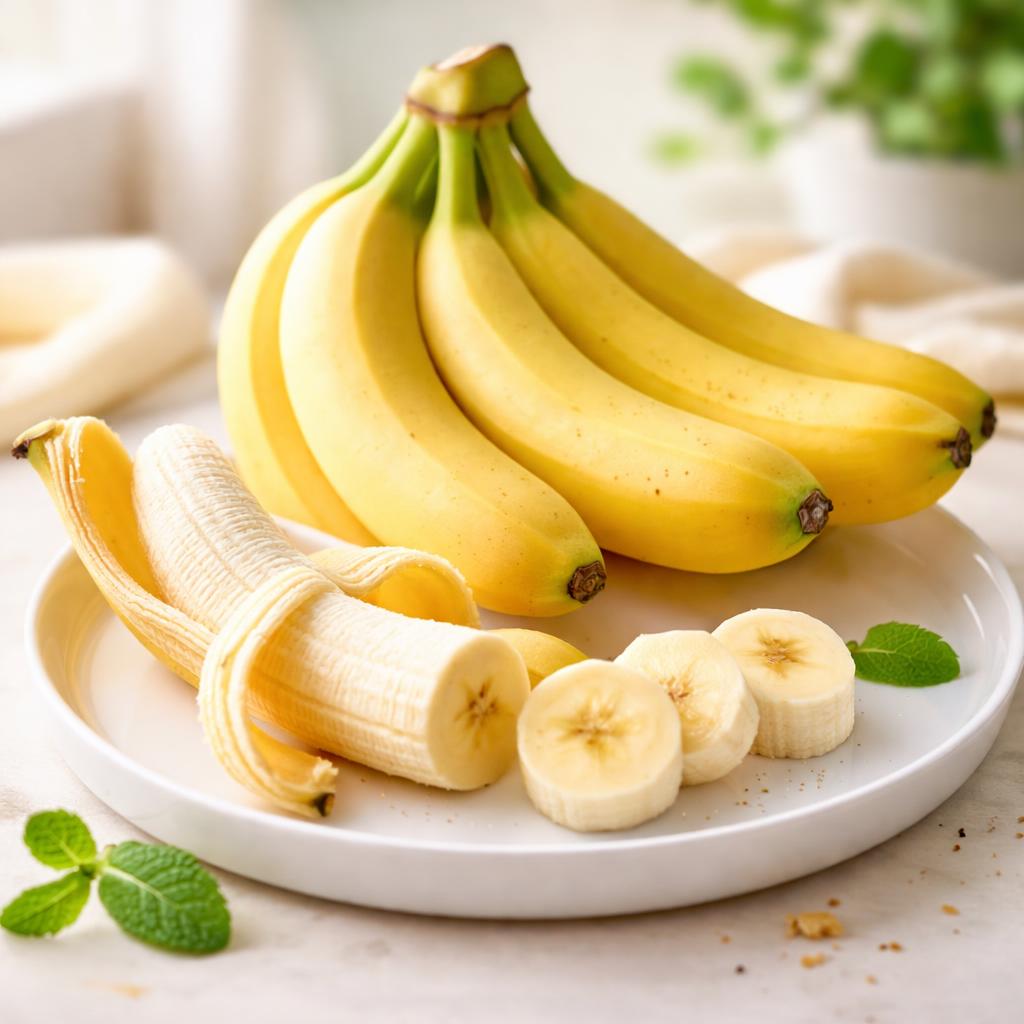
Banana
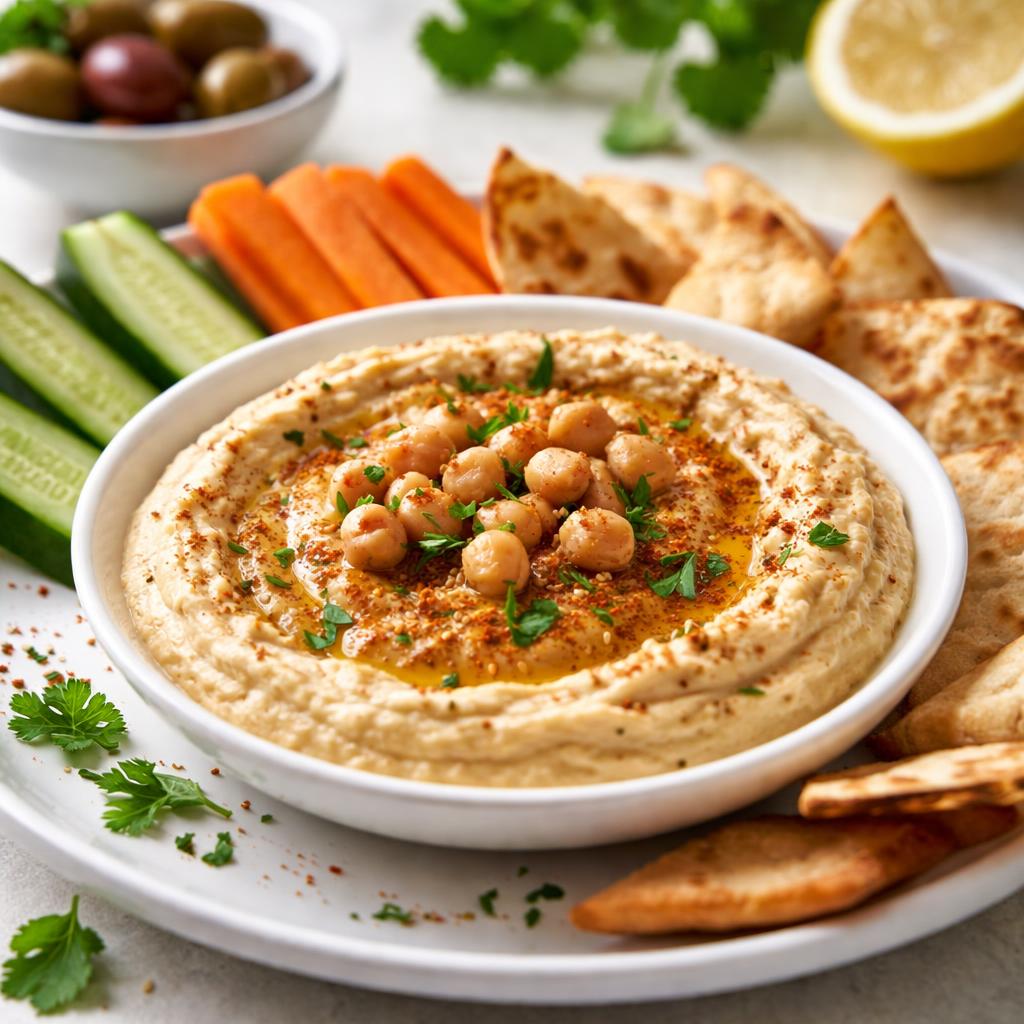
Dip
🎯 Quick Verdict
Bananas are a high-fiber fruit, rich in potassium and vitamins, while dips (such as hummus or guacamole) are typically higher in protein, healthy fats, and calorie density. Bananas are better suited for quick, natural energy and digestion support, whereas dips offer sustained energy and muscle-supportive nutrients when paired with vegetables or crackers.

Smart Nutrition Tracking with SnapCalorie

📊 Nutritional Comparison
Macronutrients
| Nutrient | Food 1 | Food 2 | Winner |
|---|---|---|---|
| Calories | 105 | 120 | − |
| Protein | 1g | 3g | − |
| Carbs | 27g | 10g | − |
| Fat | 0.3g | 8g | − |
| Fiber | 3g | 2g | − |
Vitamins & Minerals
| Nutrient | Food 1 | Food 2 | Winner |
|---|---|---|---|
| Vitamin D | 0mcg | 0mcg | − |
| Vitamin C | 12mg | 4mg | − |
| Potassium | 422mg | 280mg | − |
| Iron | 0.3mg | 0.6mg | − |
🏆 Category Winners
Protein
Dip contains 300% more protein per serving compared to banana.
Fiber
Banana provides 50% more fiber than dip.
Calories
Banana has 12.5% fewer calories than a typical serving of dip.
Vitamins
Banana is higher in Vitamin C and potassium, beneficial for energy production and immune health.
🥗 Diet Compatibility
Keto
Food 1: Not Compatible
Food 2: Compatible
Banana is high in carbs, while dip is low-carb and fits keto diets.
Vegan
Food 1: Compatible
Food 2: Compatible
Both foods are plant-based.
Gluten Free
Food 1: Compatible
Food 2: Compatible
Neither food contains gluten.
Paleo
Food 1: Compatible
Food 2: Varies
Banana aligns with paleo diets, while dip compatibility depends on ingredients (e.g., if made from legumes).
Low-Carb
Food 1: Not Compatible
Food 2: Compatible
Dip is lower in carbs compared to a banana.
💪 Health Benefits Comparison
Food 1 Benefits
- Rich in potassium, supports muscle function and heart health
- High in natural sugar for quick energy
- Contains fiber for improved digestion
- Provides antioxidants like Vitamin C, supporting immunity
Food 2 Benefits
- Higher protein content aids in muscle repair and maintenance
- Healthy fats benefit heart health and keep you fuller for longer
- Provides minerals like iron for improved oxygen transport
- Commonly paired with low-calorie veggies for balanced snacking
✅ The Bottom Line
Bananas are ideal for quick energy, digestion support, and a nutrient-rich snack on the go. Dips, on the other hand, are better for sustained energy, higher protein intake, and pairing with low-carb snack options like vegetables or gluten-free crackers.
Choose Food 1 for: Quick energy, digestion support, fitness recovery
Choose Food 2 for: Sustained energy, high-protein snacks, heart health


