Banana VS Dates
A detailed nutritional comparison
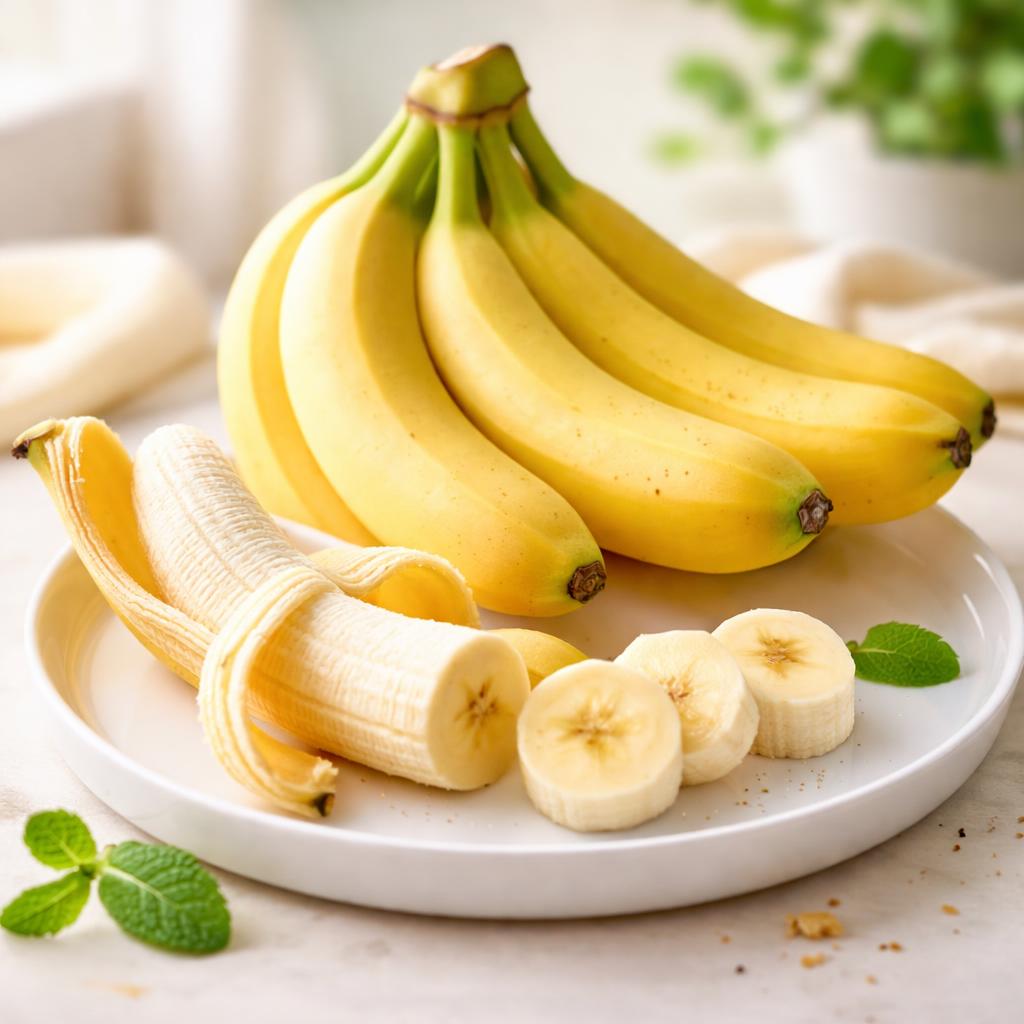
Banana
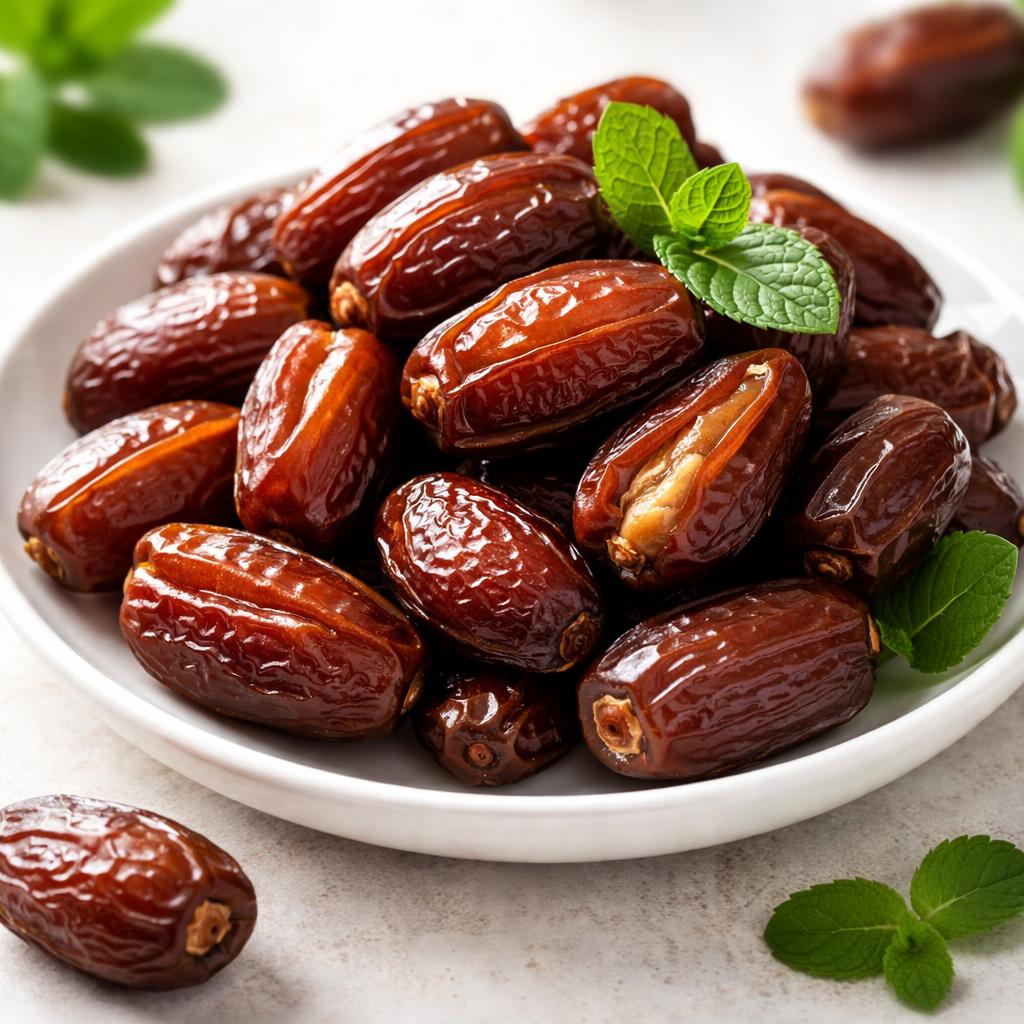
Dates
🎯 Quick Verdict
Bananas and dates both have unique nutritional profiles, making them excellent choices for different dietary needs. Bananas are lower in calories and higher in potassium, while dates excel in fiber content and are optimal for sustained energy due to their natural sugars. Choose bananas for a lighter snack or post-workout, and dates for long-lasting energy boosts or healthy baking applications.

Smart Nutrition Tracking with SnapCalorie

📊 Nutritional Comparison
Macronutrients
| Nutrient | Food 1 | Food 2 | Winner |
|---|---|---|---|
| Calories | 89 | 270 | ✓ |
| Protein | 1.1g | 0.2g | ✓ |
| Carbs | 23g | 75g | ✓ |
| Fat | 0.3g | 0.2g | − |
| Fiber | 2.6g | 6.7g | ✓ |
Vitamins & Minerals
| Nutrient | Food 1 | Food 2 | Winner |
|---|---|---|---|
| Potassium | 358mg | 696mg | ✓ |
| Vitamin C | 8.7mg | 0mg | ✓ |
| Vitamin B6 | 0.4mg | 0.2mg | ✓ |
| Magnesium | 27mg | 54mg | ✓ |
🏆 Category Winners
Protein
Bananas have 5 times more protein than dates.
Fiber
Dates contain over 2.5 times more fiber per serving.
Calories
Bananas have significantly fewer calories than dates.
Vitamins
Bananas provide vitamin C and higher levels of vitamin B6 compared to dates.
🥗 Diet Compatibility
Keto
Food 1: Not Compatible
Food 2: Not Compatible
Both are too high in carbohydrates for a keto diet.
Vegan
Food 1: Compatible
Food 2: Compatible
Both are plant-based and suitable for vegan diets.
Gluten Free
Food 1: Compatible
Food 2: Compatible
Neither bananas nor dates contain gluten.
Paleo
Food 1: Compatible
Food 2: Compatible
Both are considered paleo-friendly whole foods.
Low-Carb
Food 1: Not Compatible
Food 2: Not Compatible
Both are high in carbohydrates and unsuitable for low-carb diets.
💪 Health Benefits Comparison
Food 1 Benefits
- Rich in potassium for heart health and blood pressure regulation
- Provides vitamin C, which supports immune function and skin health
- Offers easily digestible energy, making it a perfect post-workout snack
Food 2 Benefits
- High in fiber for digestive health and satiety
- Contains natural sugars for sustained energy release
- Rich in potassium and magnesium, which support muscle function and electrolyte balance
✅ The Bottom Line
Bananas are ideal for lighter snacks, post-workout recovery, and boosting potassium and vitamin C levels. Dates, on the other hand, are excellent for sustained energy during long days, adding natural sweetness to recipes, and improving fiber intake. Choose bananas for weight-conscious or nutrient-dense snacking, and dates for energy-focused diets or culinary versatility.
Choose Food 1 for: Weight loss, post-workout, lighter snacks
Choose Food 2 for: Energy boosts, digestive health, healthy dessert recipes


