Banana VS Dark Chocolate
A detailed nutritional comparison
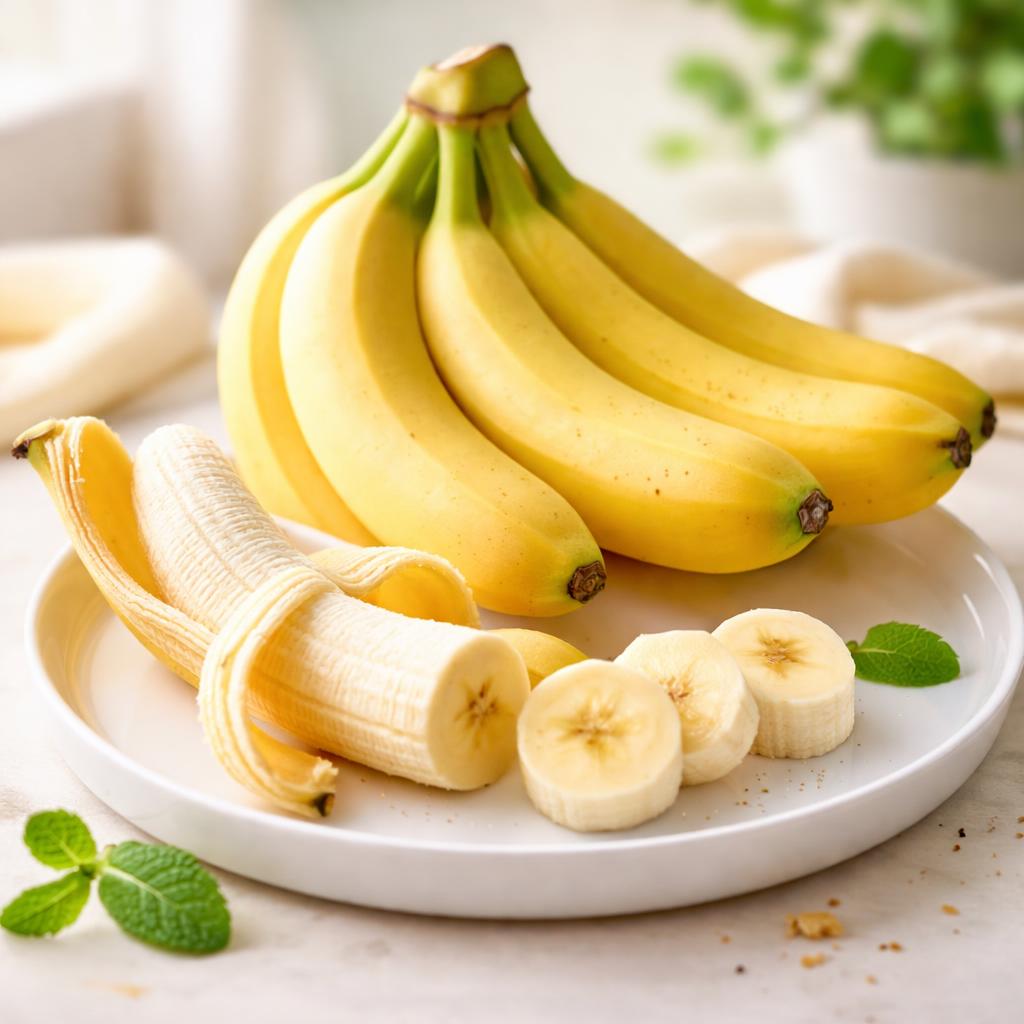
Banana
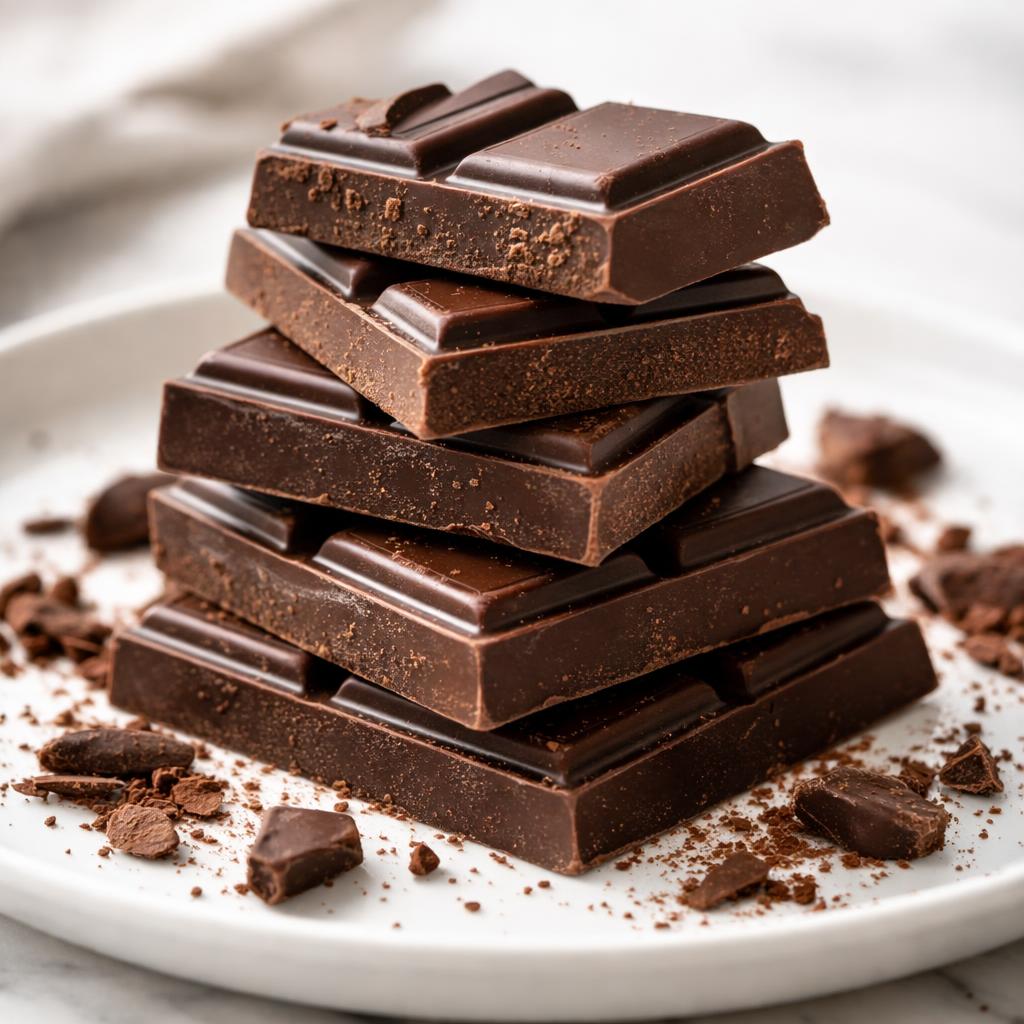
Dark Chocolate
🎯 Quick Verdict
Bananas are lower in calories and provide quick energy from natural sugars, along with potassium and vitamin C. Dark chocolate, especially at higher cocoa percentages, is richer in protein, fiber, and antioxidants and is better suited for heart health and indulgent snacking. Both foods offer distinct health benefits depending on dietary goals and preferences.

Smart Nutrition Tracking with SnapCalorie

📊 Nutritional Comparison
Macronutrients
| Nutrient | Food 1 | Food 2 | Winner |
|---|---|---|---|
| Calories | 105 | 228 (per ounce) | − |
| Protein | 1.3g | 3.5g | − |
| Carbs | 27g | 13g | − |
| Fat | 0.3g | 14g | − |
| Fiber | 3.1g | 3.2g | − |
Vitamins & Minerals
| Nutrient | Food 1 | Food 2 | Winner |
|---|---|---|---|
| Vitamin D | 0mcg | trace | − |
| Calcium | 6mg | 16mg | − |
| Potassium | 422mg | 200mg | − |
| Iron | 0.3mg | 2-3mg | − |
🏆 Category Winners
Protein
Dark chocolate offers nearly 3x more protein than a banana.
Fiber
Dark chocolate has slightly more fiber per serving.
Calories
Bananas are significantly lower in calories compared to dark chocolate.
Vitamins
Bananas excel in potassium, while dark chocolate is richer in iron and small amounts of calcium.
🥗 Diet Compatibility
Keto
Food 1: Not Compatible
Food 2: Compatible
Dark chocolate (90% cocoa) fits keto guidelines due to high fat and low carb.
Vegan
Food 1: Compatible
Food 2: Compatible
Both foods are plant-based unless chocolate contains milk additives.
Gluten Free
Food 1: Compatible
Food 2: Compatible
Both foods naturally lack gluten.
Paleo
Food 1: Compatible
Food 2: Partially Compatible
Bananas fit paleo, but highly processed dark chocolate may not.
Low-Carb
Food 1: Not Compatible
Food 2: Compatible
Dark chocolate has lower carbs, especially at higher cocoa ratios.
💪 Health Benefits Comparison
Food 1 Benefits
- Rich in potassium for cardiovascular health
- Provides natural, quick energy from carbs
- Contains vitamin C for immune support
- Supports digestion with dietary fiber
Food 2 Benefits
- Loaded with antioxidants that combat free radicals
- Contains healthy fats to support heart health
- Provides iron for improved oxygen transport
- May enhance brain health through flavonoids
✅ The Bottom Line
Choose bananas for quick energy, hydration, and potassium, ideal for workouts or a light snack. Opt for dark chocolate when seeking a nutrient-dense treat rich in antioxidants, protein, and healthy fats. Both have unique health benefits and fit different dietary goals.
Choose Food 1 for: Quick energy, active lifestyle, electrolyte support
Choose Food 2 for: Indulgence, heart health, antioxidant boost


