Banana VS Curd
A detailed nutritional comparison
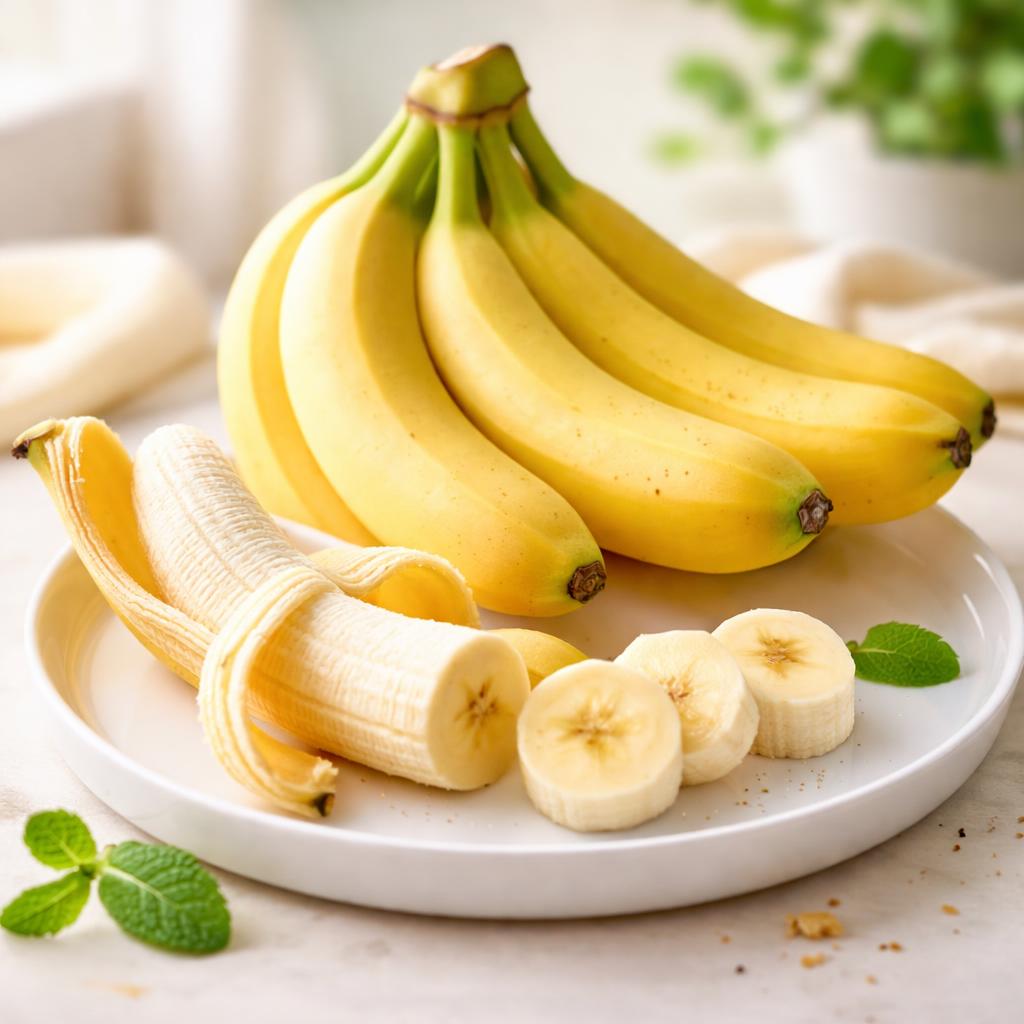
Banana
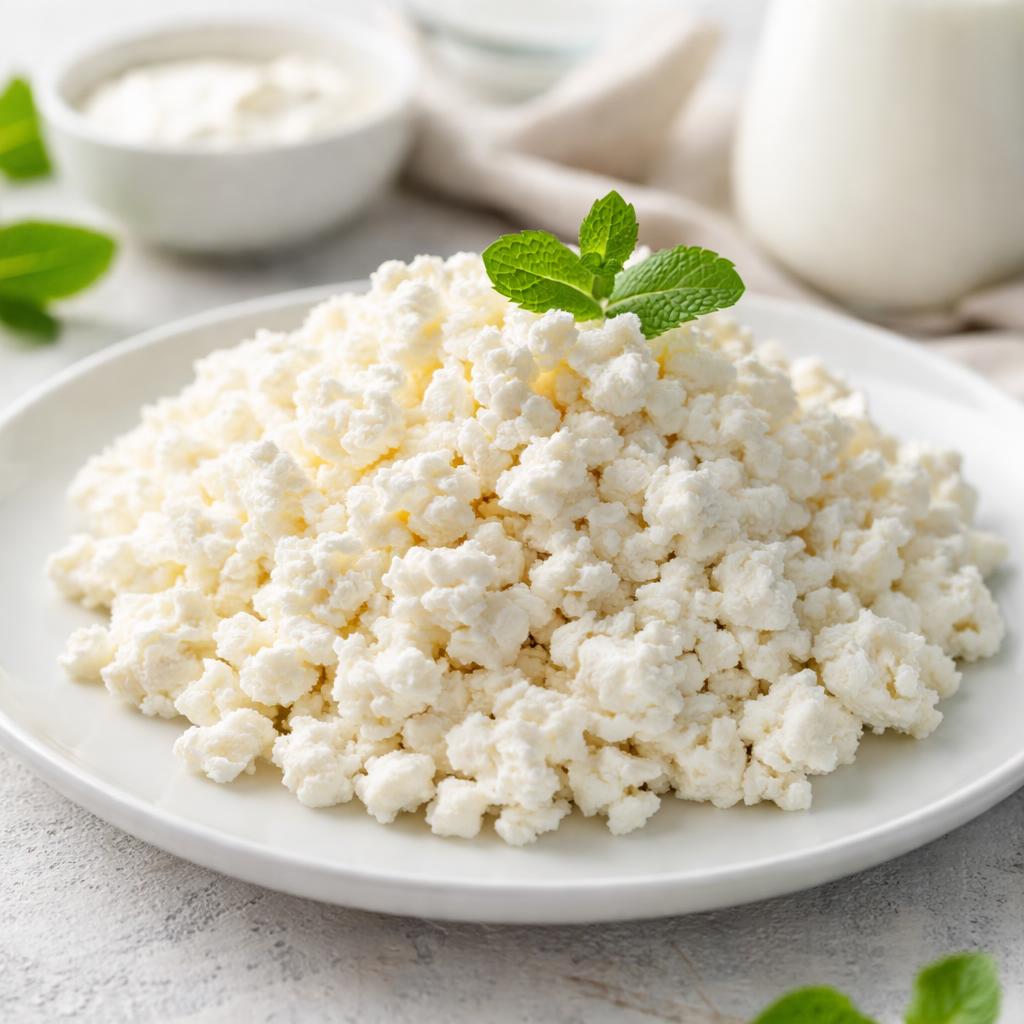
Curd
🎯 Quick Verdict
Bananas are higher in fiber and carbohydrates, making them a great source of quick energy and aiding digestion. Curd, on the other hand, is lower in calories and rich in protein, making it ideal for muscle maintenance and weight management. Choose bananas for pre-workout energy or curd for post-workout recovery and gut health.

Smart Nutrition Tracking with SnapCalorie

📊 Nutritional Comparison
Macronutrients
| Nutrient | Food 1 | Food 2 | Winner |
|---|---|---|---|
| Calories | 105 (medium-sized banana) | 98 (100g curd) | ✓ |
| Protein | 1.3g | 3.4g | ✓ |
| Carbs | 27g | 4.7g | ✓ |
| Fat | 0.3g | 2.5g | ✓ |
| Fiber | 3.1g | 0g | ✓ |
Vitamins & Minerals
| Nutrient | Food 1 | Food 2 | Winner |
|---|---|---|---|
| Vitamin C | 10.3mg | 0mg | ✓ |
| Calcium | 6mg | 80mg | ✓ |
| Vitamin A | 76IU | 47IU | ✓ |
🏆 Category Winners
Protein
Curd has 2.6g more protein per serving than bananas.
Fiber
Bananas contain 3.1g of fiber, while curd has negligible fiber.
Calories
Curd has slightly fewer calories (98 vs 105).
Vitamins
Bananas provide significant vitamin C (10.3mg) not found in curd.
🥗 Diet Compatibility
Keto
Food 1: Not Compatible
Food 2: Compatible
Curd is low-carb (4.7g per 100g), while bananas are high-carb.
Vegan
Food 1: Compatible
Food 2: Not Compatible
Bananas are plant-based, while curd is dairy.
Gluten Free
Food 1: Compatible
Food 2: Compatible
Neither food contains gluten.
Paleo
Food 1: Compatible
Food 2: Not Compatible
Bananas fit paleo diets, but curd is excluded due to being dairy-based.
Low-Carb
Food 1: Not Compatible
Food 2: Compatible
Curd is low in carbs, while bananas are high-carb with 27g per serving.
💪 Health Benefits Comparison
Food 1 Benefits
- High in fiber to support digestion and gut health
- Rich in carbohydrates for quick energy
- Contains potassium to help regulate heart and muscle function
- Provides vitamin C for immune system support
Food 2 Benefits
- Rich in protein to support muscle growth and repairs
- Boosts beneficial gut bacteria due to probiotics
- Good source of calcium for strong bones and teeth
- Low in calories, making it ideal for weight management
✅ The Bottom Line
Choose bananas when looking for quick energy, digestion support, or immune-boosting nutrients like vitamin C. Opt for curd when needing protein for muscle repair, probiotic benefits for gut health, or a low-calorie, high-calcium option for weight management. Both foods have unique benefits depending on your dietary goals.
Choose Food 1 for: Pre-workout energy, immune support, fiber-rich diets
Choose Food 2 for: Post-workout recovery, gut health, weight management


