Banana VS Crepes
A detailed nutritional comparison
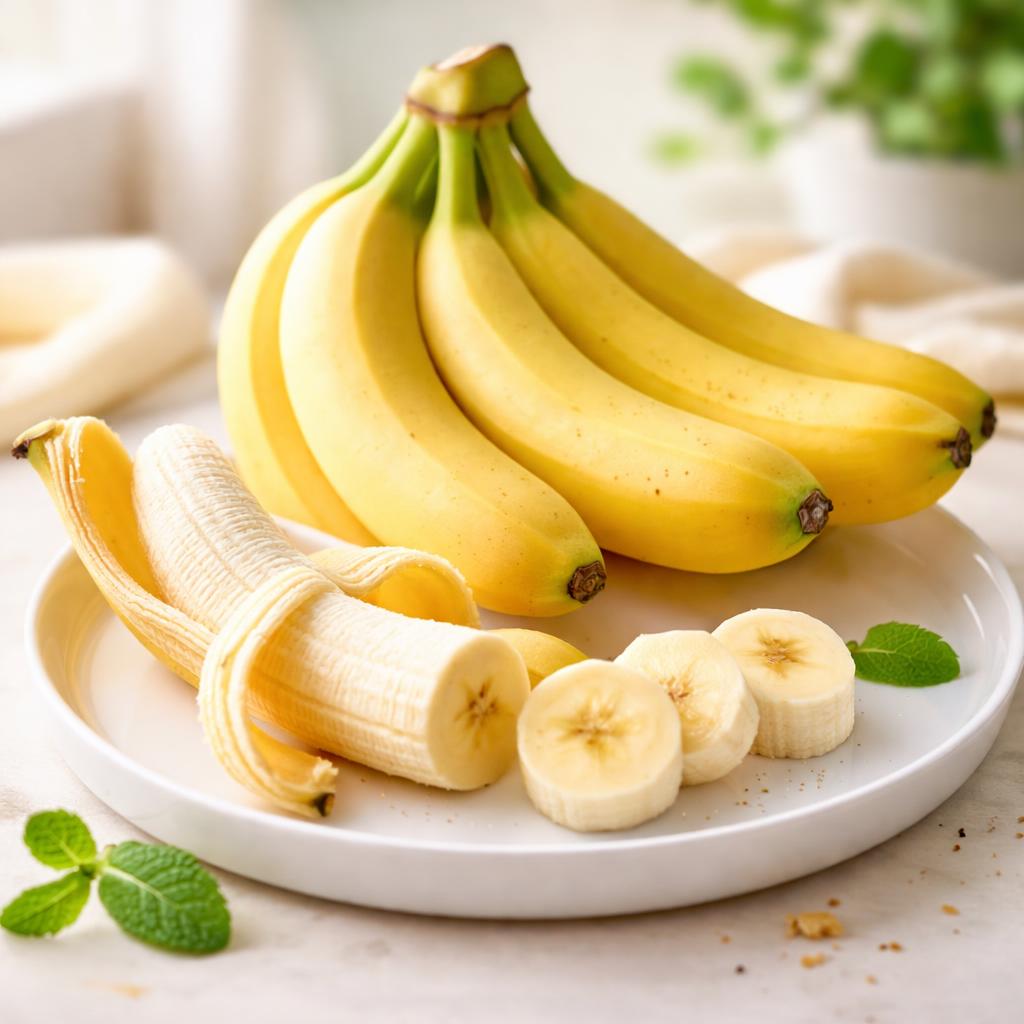
Banana

Crepes
🎯 Quick Verdict
Bananas and crepes differ significantly in nutritional content. Bananas are lower in calories and richer in fiber and vitamins, making them great for quick energy and digestion. Crepes are higher in protein and fats, ideal for those looking for a filling meal or post-workout recovery, especially if topped with nutrient-dense ingredients like fruits or nuts.

Smart Nutrition Tracking with SnapCalorie

📊 Nutritional Comparison
Macronutrients
| Nutrient | Food 1 | Food 2 | Winner |
|---|---|---|---|
| Calories | 105 | 200 | ✓ |
| Protein | 1.3g | 6g | ✓ |
| Carbs | 27g | 30g | ✓ |
| Fat | 0.3g | 5g | ✓ |
| Fiber | 3g | 0.5g | ✓ |
Vitamins & Minerals
| Nutrient | Food 1 | Food 2 | Winner |
|---|---|---|---|
| Vitamin C | 10.3mg | 0mg | ✓ |
| Potassium | 422mg | 44mg | ✓ |
| Calcium | 6mg | 50mg | ✓ |
| Iron | 0.3mg | 0.8mg | ✓ |
🏆 Category Winners
Protein
Crepes offer over 4x more protein compared to a banana.
Fiber
Bananas deliver 6x more fiber, contributing to better digestion.
Calories
Bananas are nearly half the calories of crepes, making them lighter for snacking.
Vitamins
Bananas provide more Vitamin C and potassium, key for immune health and blood pressure regulation.
🥗 Diet Compatibility
Keto
Food 1: Not Compatible
Food 2: Not Compatible
Both foods are high in carbs.
Vegan
Food 1: Compatible
Food 2: Depends on recipe
Bananas are vegan, crepes may contain eggs and dairy.
Gluten Free
Food 1: Compatible
Food 2: Not Compatible
Bananas are naturally gluten-free; crepes typically use wheat flour.
Paleo
Food 1: Compatible
Food 2: Not Compatible
Bananas fit paleo guidelines, whereas traditional crepes include processed ingredients.
Low-Carb
Food 1: Not Compatible
Food 2: Not Compatible
Neither food fits strict low-carb diets due to carb content.
💪 Health Benefits Comparison
Food 1 Benefits
- Rich in potassium for maintaining healthy blood pressure.
- Good source of fiber to aid digestion and gut health.
- Provides Vitamin C for immune support and skin health.
Food 2 Benefits
- Higher protein content for muscle repair and growth.
- Moderate fat for satiety and energy sustenance.
- Can be customized with nutrient-rich toppings like fruit for added vitamins.
✅ The Bottom Line
If you're looking for a low-calorie, nutrient-rich snack, bananas are the better choice due to their fiber and vitamin content. Crepes are ideal if you're seeking higher protein or fats, though pairing them with healthy toppings is essential for balanced nutrition.
Choose Food 1 for: Quick energy, digestion support, immune health
Choose Food 2 for: Muscle recovery, customizable meals, satisfying breakfast


