Banana VS Coconut Milk
A detailed nutritional comparison
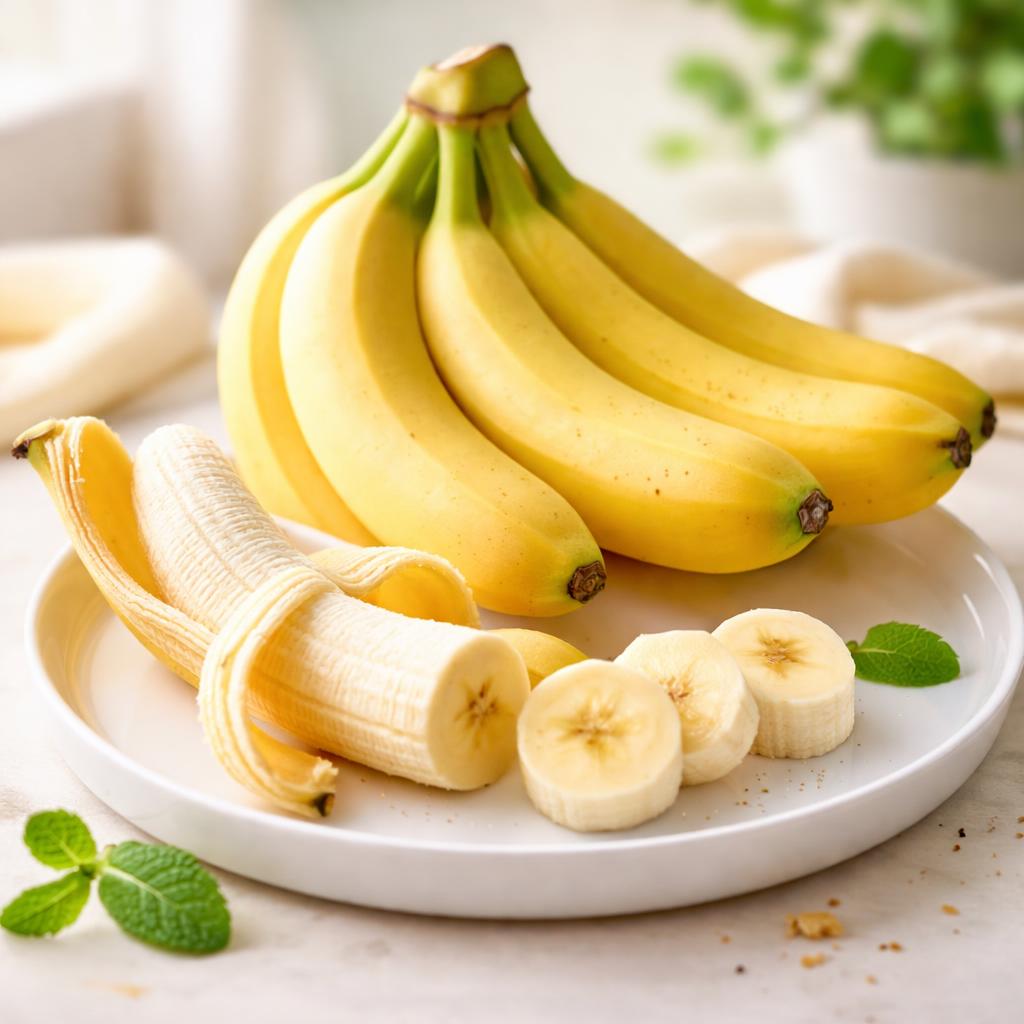
Banana
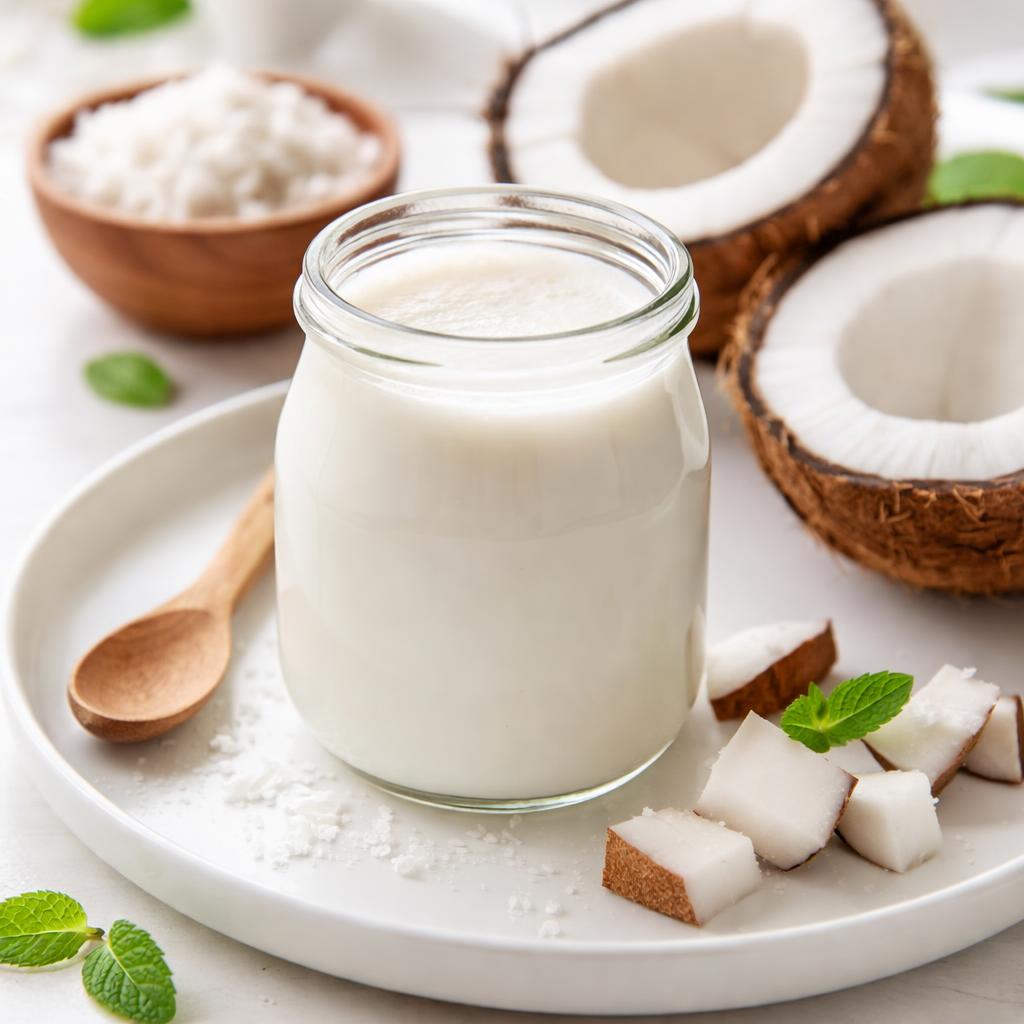
Coconut Milk
🎯 Quick Verdict
Bananas and coconut milk offer distinct nutrition profiles. Bananas are lower in calories, higher in fiber, and rich in potassium, making them great for energy and digestion. Coconut milk is higher in healthy fats and protein, ideal for keto and low-carb diets, and provides electrolytes and minerals like magnesium. Best uses depend on dietary goals and recipes.

Smart Nutrition Tracking with SnapCalorie

📊 Nutritional Comparison
Macronutrients
| Nutrient | Food 1 | Food 2 | Winner |
|---|---|---|---|
| Calories | 105 | 150 | ✓ |
| Protein | 1.3g | 2g | ✓ |
| Carbs | 27g | 3g | ✓ |
| Fat | 0.3g | 15g | ✓ |
| Fiber | 3g | 0g | ✓ |
Vitamins & Minerals
| Nutrient | Food 1 | Food 2 | Winner |
|---|---|---|---|
| Potassium | 422mg | 220mg | ✓ |
| Magnesium | 32mg | 89mg | ✓ |
| Vitamin C | 10.3mg | 0mg | ✓ |
🏆 Category Winners
Protein
Coconut milk has slightly more protein per cup than banana.
Fiber
Bananas provide 3g of fiber compared to no fiber in coconut milk.
Calories
Bananas contain fewer calories per serving.
Vitamins
Bananas are richer in potassium and vitamin C, while coconut milk excels in magnesium.
🥗 Diet Compatibility
Keto
Food 1: Not Compatible
Food 2: Compatible
Coconut milk is low-carb (3g carbs per serving), while bananas are higher-carb and not suitable for keto.
Vegan
Food 1: Compatible
Food 2: Compatible
Both are plant-based foods.
Gluten Free
Food 1: Compatible
Food 2: Compatible
Neither contains gluten.
Paleo
Food 1: Compatible
Food 2: Compatible
Both align with paleo principles.
Low-Carb
Food 1: Not Compatible
Food 2: Compatible
Coconut milk is low-carb and works well for low-carb diets; bananas are higher-carb and not ideal.
💪 Health Benefits Comparison
Food 1 Benefits
- Rich in potassium for heart and muscle function
- High in fiber for digestion and gut health
- Contains vitamin C for immune system support
Food 2 Benefits
- Provides healthy fats for energy and heart health
- Good source of magnesium for nerve and muscle function
- Electrolytes like potassium and phosphorus support hydration
✅ The Bottom Line
Bananas and coconut milk both serve unique dietary purposes. Choose bananas for low-calorie energy, fiber, and nutrients to support active lifestyles and digestion. Coconut milk is better for keto, paleo, or low-carb diets and recipes requiring rich, creamy texture and healthy fats.
Choose Food 1 for: Athletes, digestion, everyday snacking, smoothies
Choose Food 2 for: Low-carb diets, creamy recipes, energy boost through fats


