Banana VS Coconut Flakes
A detailed nutritional comparison
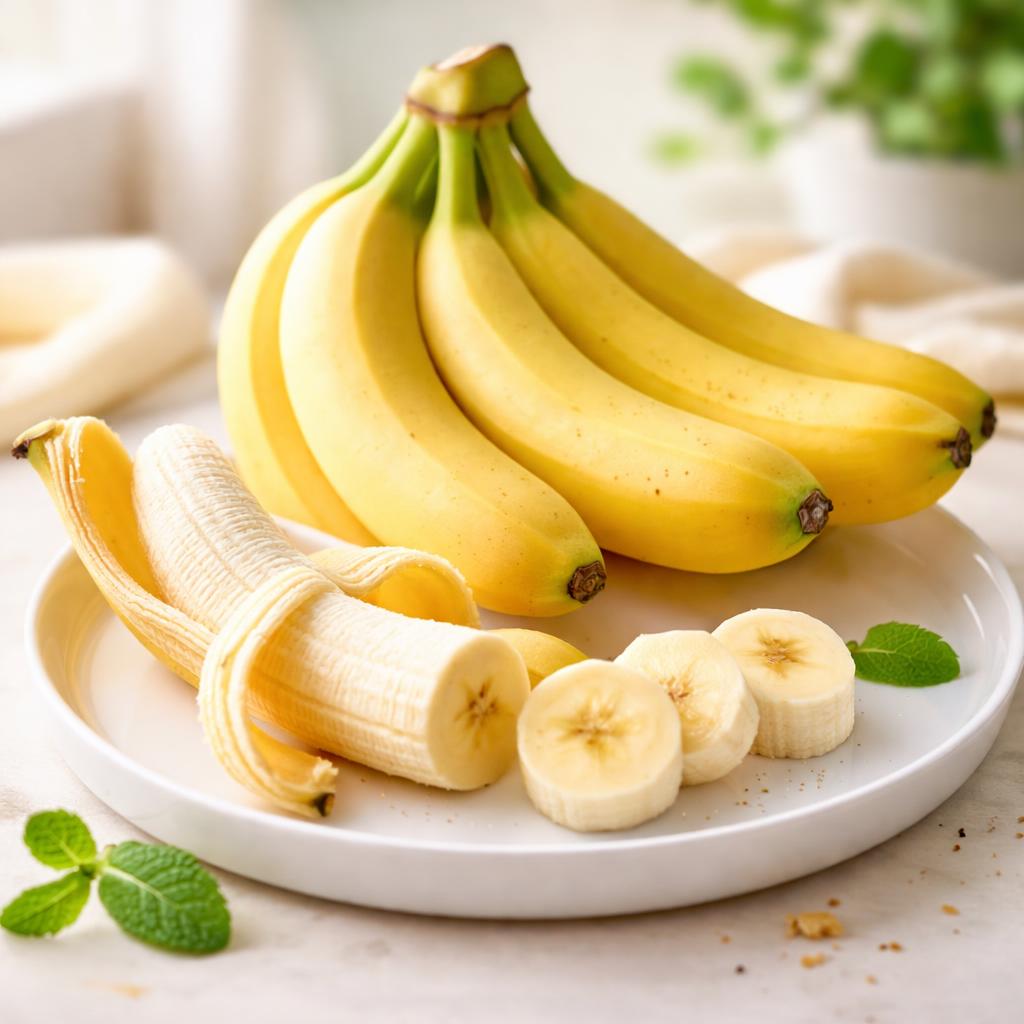
Banana
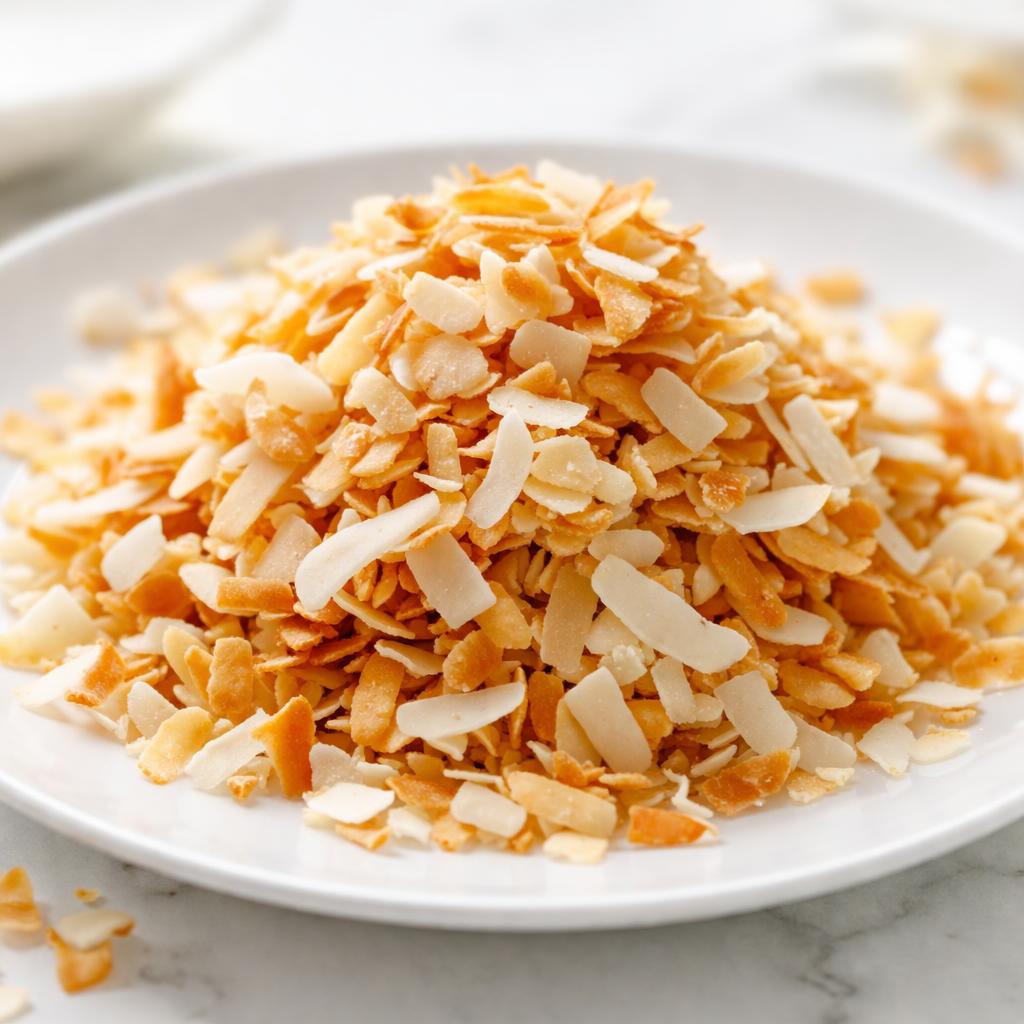
Coconut Flakes
🎯 Quick Verdict
Bananas and coconut flakes have distinct nutritional profiles. Bananas are lower in calories, rich in potassium, and offer natural sugars for quick energy. Coconut flakes are higher in fiber, fat, and calories, making them ideal for energy-dense snacks and supporting heart health. Choose depending on your dietary goals: banana for light, fruit-based snacks and coconut flakes for sustained energy and higher fat needs.

Smart Nutrition Tracking with SnapCalorie

📊 Nutritional Comparison
Macronutrients
| Nutrient | Food 1 | Food 2 | Winner |
|---|---|---|---|
| Calories | 105 | 150 | ✓ |
| Protein | 1g | 2g | ✓ |
| Carbs | 27g | 10g | ✓ |
| Fat | 0.3g | 14g | ✓ |
| Fiber | 3g | 5g | ✓ |
Vitamins & Minerals
| Nutrient | Food 1 | Food 2 | Winner |
|---|---|---|---|
| Vitamin C | 10mg | 0mg | ✓ |
| Potassium | 422mg | 185mg | ✓ |
| Iron | 0.3mg | 2mg | ✓ |
🏆 Category Winners
Protein
Coconut flakes have double the protein content compared to bananas.
Fiber
Coconut flakes have 67% more fiber content.
Calories
Bananas are lower calorie, making them a lighter choice.
Vitamins
Bananas are higher in potassium and vitamin C, which are essential for bodily function.
🥗 Diet Compatibility
Keto
Food 1: Not Compatible
Food 2: Compatible
Coconut flakes are high in fat and low in carbs, aligning with keto guidelines.
Vegan
Food 1: Compatible
Food 2: Compatible
Both foods are plant-based and vegan-friendly.
Gluten Free
Food 1: Compatible
Food 2: Compatible
Neither contains gluten, suitable for gluten-free diets.
Paleo
Food 1: Compatible
Food 2: Compatible
Both fit paleo criteria as unprocessed, whole foods.
Low Carb
Food 1: Not Compatible
Food 2: Compatible
Bananas are higher in carbs, whereas coconut flakes are lower-carb.
💪 Health Benefits Comparison
Food 1 Benefits
- Rich in potassium to support muscle and nerve function
- Provides natural sugars for quick energy boosts
- Contains vitamin C for immune health
- Good source of dietary fiber to support digestion
Food 2 Benefits
- High in healthy fats for sustained energy and heart health
- Excellent source of dietary fiber for digestion
- Rich in iron to support red blood cell production
- Provides antioxidants that combat oxidative stress
✅ The Bottom Line
Bananas are better suited for quick energy and nutrient-dense, low-calorie options, while coconut flakes shine as a high-energy, high-fat food with more fiber content. Choose bananas for pre-workout snacks and coconut flakes for keto-friendly recipes or sustained energy needs.
Choose Food 1 for: Pre-workout snacks, weight loss diets, immune support
Choose Food 2 for: Keto diets, sustained energy snacks, heart health


