Banana VS Cinnamon
A detailed nutritional comparison
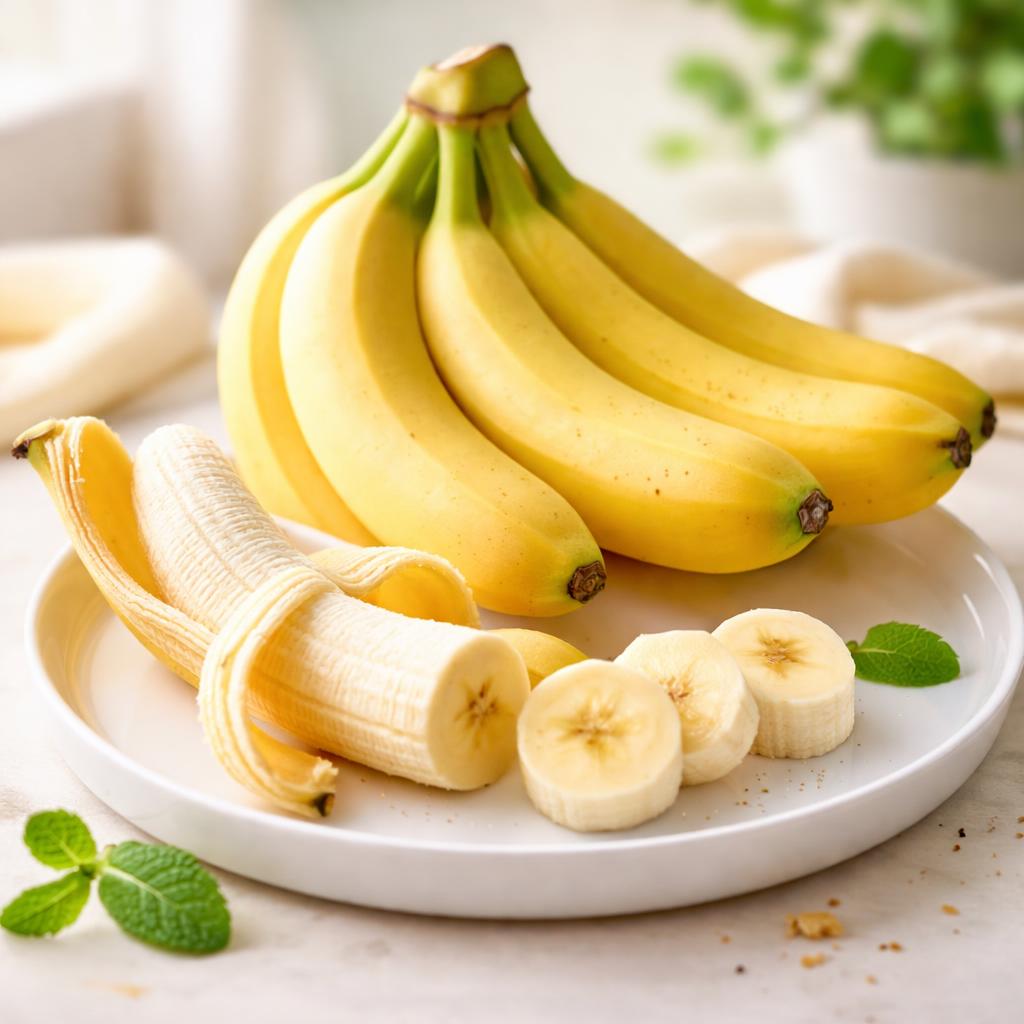
Banana
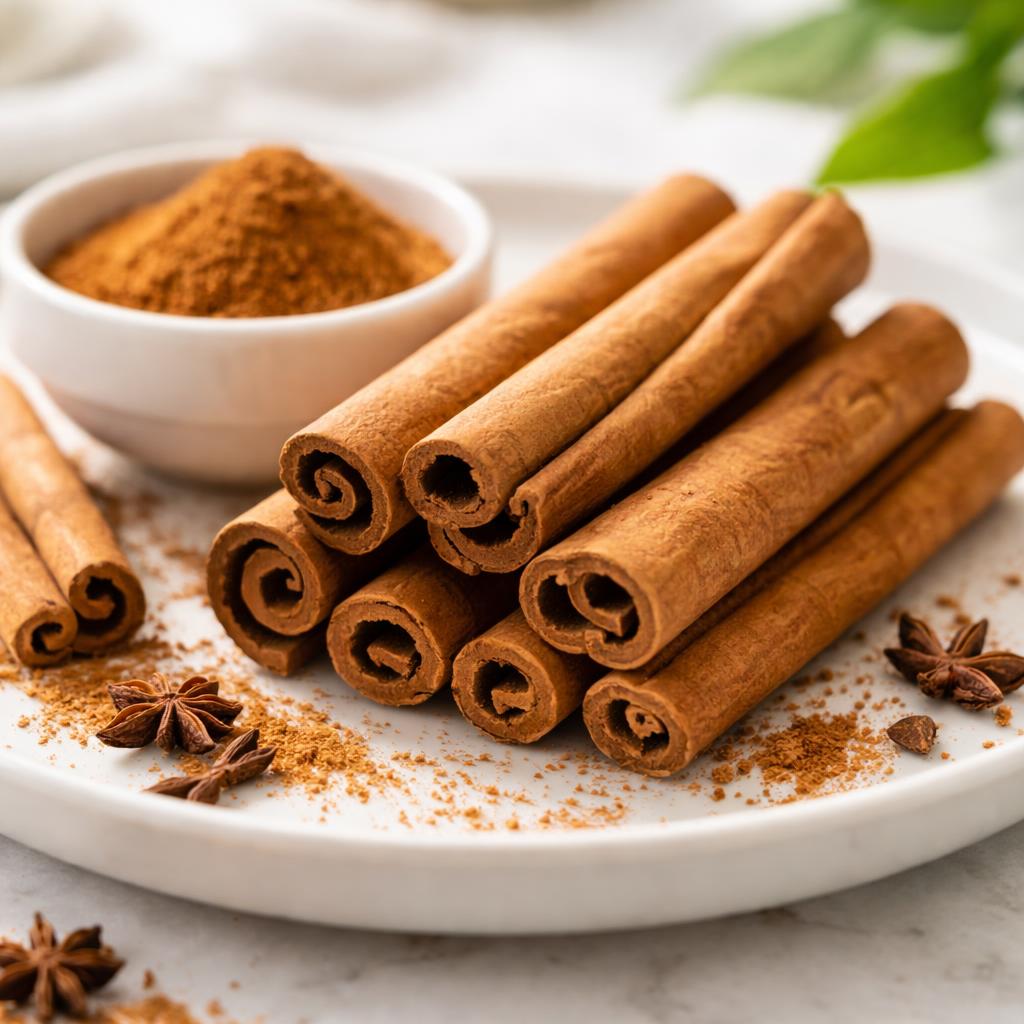
Cinnamon
🎯 Quick Verdict
Bananas and cinnamon are nutritionally distinct but complement each other well. Bananas provide more volume and essential nutrients such as potassium, fiber, and vitamin C, while cinnamon offers antioxidants and has significantly fewer calories. Bananas are great for energy and digestion, while cinnamon enhances flavor and offers health-promoting compounds for blood sugar regulation.

Smart Nutrition Tracking with SnapCalorie

📊 Nutritional Comparison
Macronutrients
| Nutrient | Food 1 | Food 2 | Winner |
|---|---|---|---|
| Calories | − | ||
| Protein | − | ||
| Carbs | − | ||
| Fat | − | ||
| Fiber | − |
Vitamins & Minerals
| Nutrient | Food 1 | Food 2 | Winner |
|---|---|---|---|
| Vitamin C | − | ||
| Potassium | − | ||
| Calcium | − | ||
| Iron | − |
🏆 Category Winners
Protein
Banana contains significantly more protein per serving.
Fiber
Banana has more dietary fiber compared to cinnamon.
Calories
Cinnamon is extremely low-calorie compared to banana.
Vitamins
Bananas excel in potassium and vitamin C, while cinnamon provides more calcium and iron.
🥗 Diet Compatibility
Keto
Food 1: Unknown
Food 2: Unknown
Cinnamon is keto-friendly with very few carbs, while bananas are high-carb.
Vegan
Food 1: Unknown
Food 2: Unknown
Both foods are plant-based and suitable for vegan diets.
Gluten Free
Food 1: Unknown
Food 2: Unknown
Both foods are naturally gluten-free.
Paleo
Food 1: Unknown
Food 2: Unknown
Both are compatible with paleo diets as they are unprocessed and natural.
Low-Carb
Food 1: Unknown
Food 2: Unknown
Bananas are high in carbohydrates while cinnamon is low-carb.
💪 Health Benefits Comparison
Food 1 Benefits
Food 2 Benefits
✅ The Bottom Line
Bananas are ideal for those seeking a nutrient-dense, energy-boosting snack that supports digestion and heart health. Cinnamon, on the other hand, is an excellent low-calorie flavor enhancer with health benefits for blood sugar regulation and antioxidants. They complement each other well in smoothies, oatmeal, or desserts.


