Banana VS Chocolate Cake
A detailed nutritional comparison
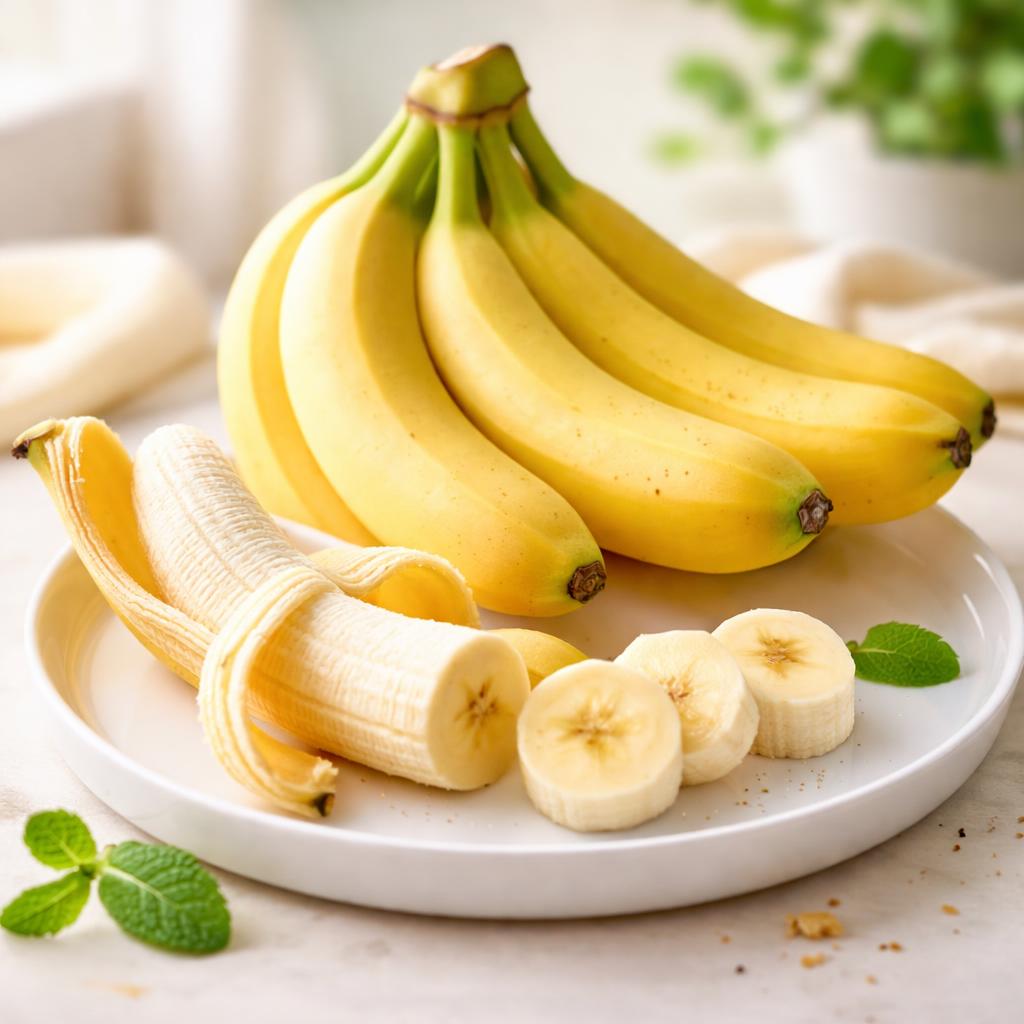
Banana
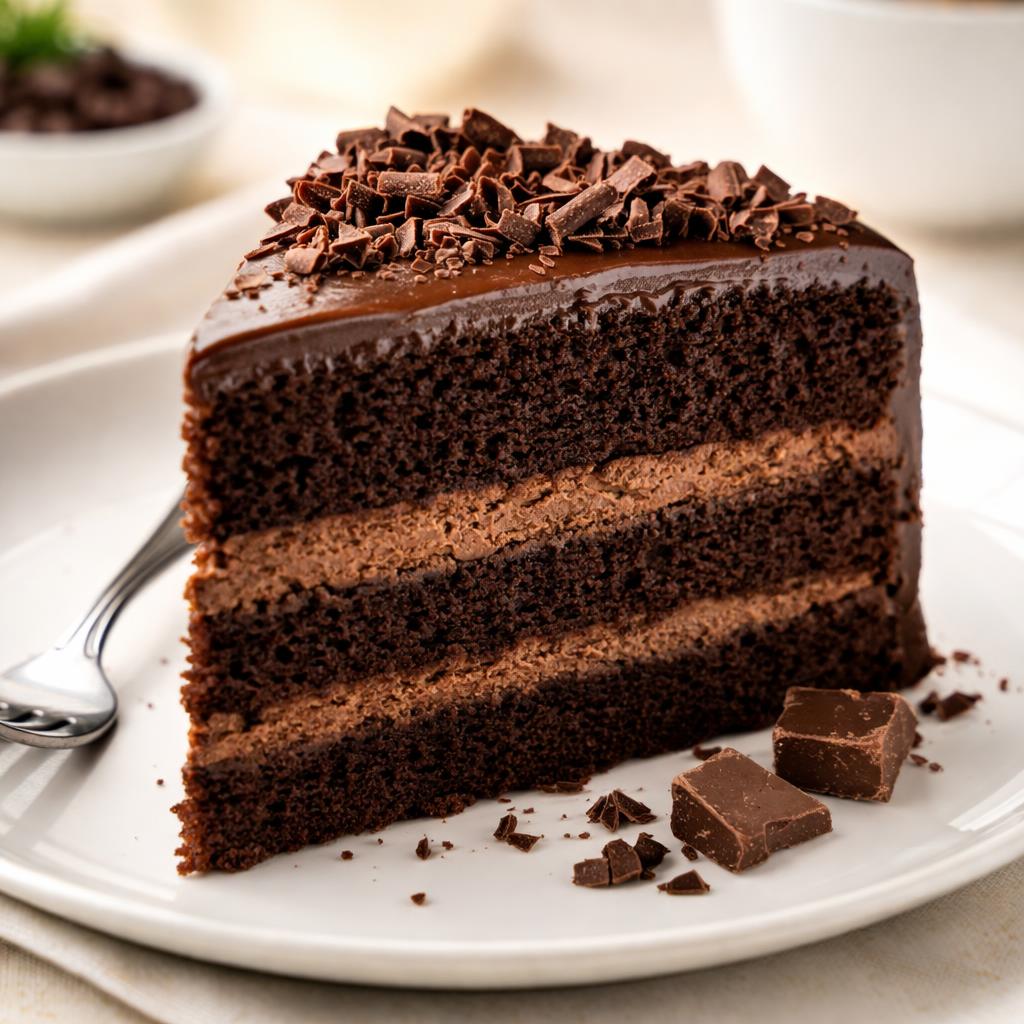
Chocolate Cake
🎯 Quick Verdict
Bananas and chocolate cake are vastly different nutritionally. Bananas are lower in calories (105 vs. 250 per serving), higher in fiber (3g vs. 1g), and are a natural source of vitamins and minerals. Chocolate cake offers a higher fat and sugar content, making it energy-dense but less suitable for weight-conscious diets. Choose a banana for a nutrient-dense snack or chocolate cake for a treat to satisfy cravings.

Smart Nutrition Tracking with SnapCalorie

📊 Nutritional Comparison
Macronutrients
| Nutrient | Food 1 | Food 2 | Winner |
|---|---|---|---|
| Calories | 105 | 250 | ✓ |
| Protein | 1.3g | 2g | − |
| Carbs | 27g | 34g | ✓ |
| Fat | 0.3g | 12g | ✓ |
| Fiber | 3g | 1g | ✓ |
Vitamins & Minerals
| Nutrient | Food 1 | Food 2 | Winner |
|---|---|---|---|
| Vitamin C | 10mg | 0mg | ✓ |
| Potassium | 422mg | 180mg | ✓ |
| Iron | 0.3mg | 1.5mg | ✓ |
🏆 Category Winners
Protein
Both foods offer minimal protein (below 3g per serving).
Fiber
Banana provides 3g of fiber compared to 1g in chocolate cake.
Calories
Bananas have less than half the calories per serving compared to chocolate cake.
Vitamins
Banana is rich in vitamin C and potassium, while chocolate cake lacks most micronutrients.
🥗 Diet Compatibility
Keto
Food 1: Not Compatible
Food 2: Not Compatible
Both are high in carbs and unsuitable for keto diets.
Vegan
Food 1: Compatible
Food 2: Not Compatible
Banana is plant-based, while most chocolate cakes contain egg/dairy.
Gluten Free
Food 1: Compatible
Food 2: Not Compatible
Banana is naturally gluten-free, while chocolate cake contains flour.
Paleo
Food 1: Compatible
Food 2: Not Compatible
Banana aligns with paleo diets, while chocolate cake is processed and contains refined ingredients.
Low-Carb
Food 1: Not Compatible
Food 2: Not Compatible
Both foods are relatively high in carbohydrates.
💪 Health Benefits Comparison
Food 1 Benefits
- Rich in potassium for heart and muscle health
- Contains natural fiber for digestive health
- Good source of vitamin C, supporting immunity
Food 2 Benefits
- Provides quick energy due to high sugar content
- Can satisfy cravings as a comfort food
- Source of iron, which supports oxygen transport in the blood
✅ The Bottom Line
When choosing between banana and chocolate cake, opt for a banana if prioritizing nutrients, fiber, or weight management. Chocolate cake is better suited for occasional indulgences or high-energy needs. Both should be consumed mindfully based on dietary goals.
Choose Food 1 for: Daily snacking, digestion, heart health
Choose Food 2 for: Special occasions, energy boost, satisfying sweet cravings


