Banana VS Chicken Breasts
A detailed nutritional comparison
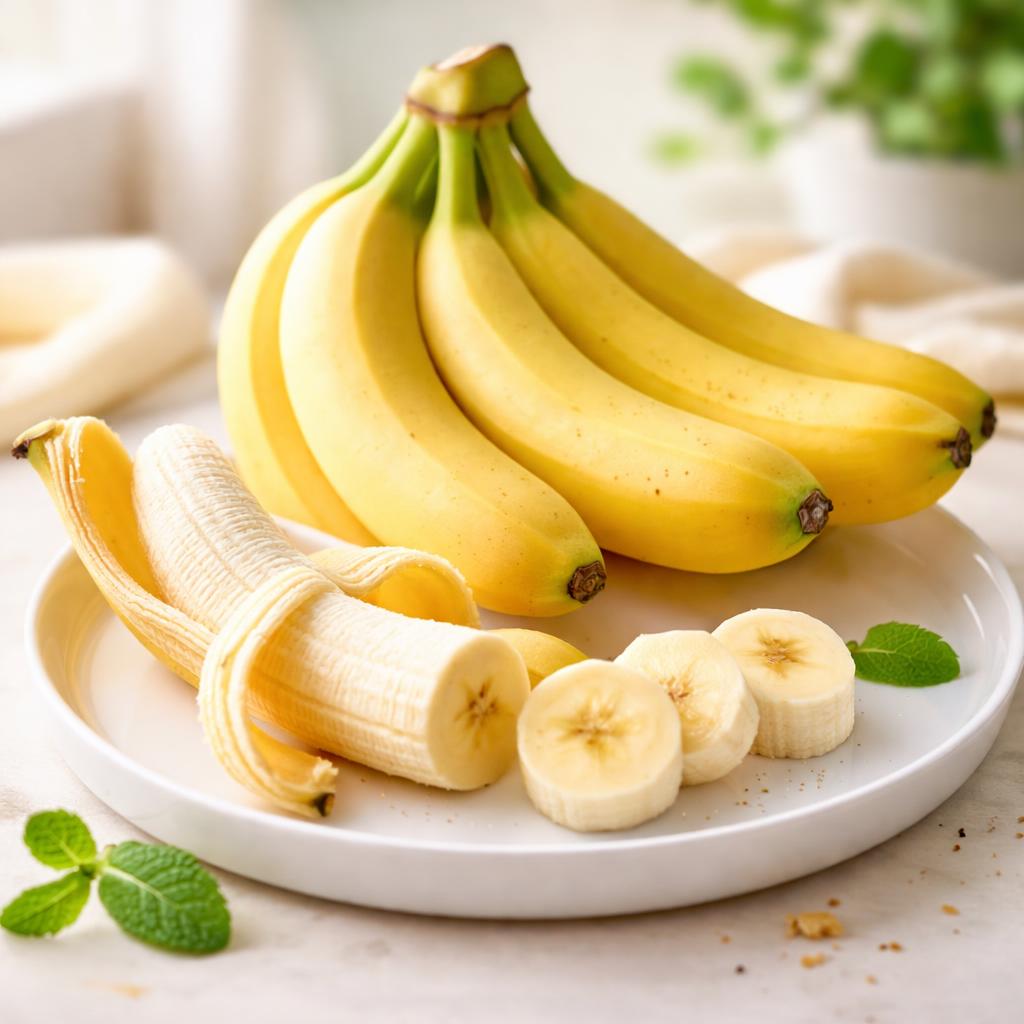
Banana
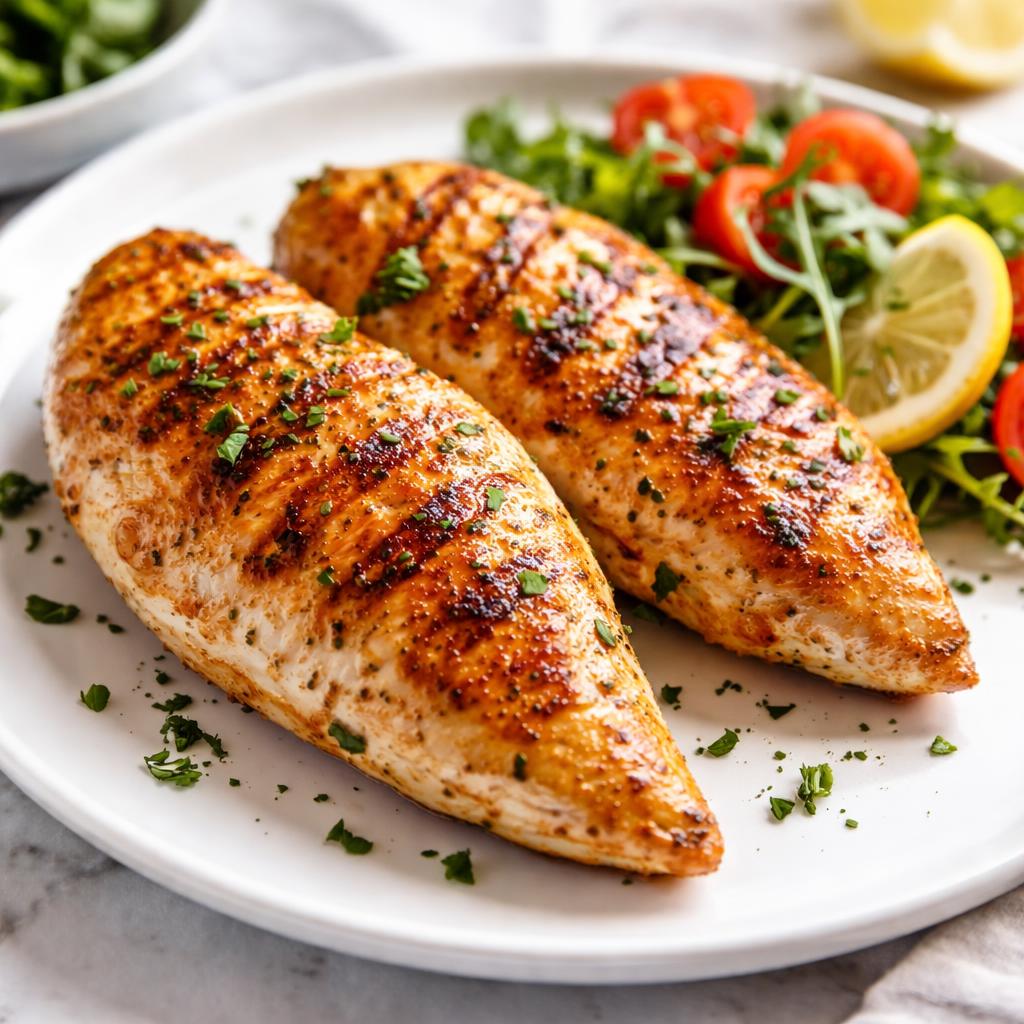
Chicken Breasts
🎯 Quick Verdict
Chicken breasts are significantly higher in protein and better suited for building muscle or supporting high-protein diets. Bananas, on the other hand, provide more fiber and carbohydrates, making them ideal for quick energy and digestion support. Both have unique benefits depending on dietary goals and activity levels.

Smart Nutrition Tracking with SnapCalorie

📊 Nutritional Comparison
Macronutrients
| Nutrient | Food 1 | Food 2 | Winner |
|---|---|---|---|
| Calories | 105 | 165 | − |
| Protein | 1.3g | 31g | − |
| Carbs | 27g | 0g | − |
| Fat | 0.3g | 3.6g | − |
| Fiber | 3.1g | 0g | − |
Vitamins & Minerals
| Nutrient | Food 1 | Food 2 | Winner |
|---|---|---|---|
| Vitamin C | 10mg | 0mg | − |
| Vitamin B6 | 0.4mg | 0.6mg | − |
| Potassium | 422mg | 319mg | − |
| Iron | 0.3mg | 0.9mg | − |
🏆 Category Winners
Protein
Chicken breasts have nearly 24 times more protein than bananas.
Fiber
Bananas are rich in fiber, with 3.1g compared to no fiber in chicken breasts.
Calories
Bananas provide fewer calories per serving than chicken breasts.
Vitamins
Bananas are higher in Vitamin C and potassium, while chicken breasts excel only in iron.
🥗 Diet Compatibility
Keto
Food 1: Not Compatible
Food 2: Compatible
Chicken breasts are low-carb, while bananas are high in carbs.
Vegan
Food 1: Compatible
Food 2: Not Compatible
Bananas are plant-based, but chicken breasts are animal-derived.
Gluten Free
Food 1: Compatible
Food 2: Compatible
Neither contains gluten.
Paleo
Food 1: Compatible
Food 2: Compatible
Both foods are considered paleo-friendly.
Low-Carb
Food 1: Not Compatible
Food 2: Compatible
Chicken breasts are carb-free, while bananas are high in carbohydrates.
💪 Health Benefits Comparison
Food 1 Benefits
- Provides quick, natural energy with healthy carbohydrates
- Rich in fiber for digestion and gut health
- High in potassium for muscle function and blood pressure regulation
- Contains Vitamin C for immune support
Food 2 Benefits
- Excellent source of lean protein for muscle growth and repair
- Low in saturated fat, supporting heart health
- High in iron to aid oxygen transport in the blood
- Contains Vitamin B6 for energy metabolism
✅ The Bottom Line
Choose chicken breasts for high-protein, low-carb dietary needs or muscle recovery, while bananas are ideal for quick energy, fiber needs, and nutrients like potassium and Vitamin C. Both foods excel in specific areas and can complement each other in a balanced diet.
Choose Food 1 for: Quick energy, snacking, digestion, endurance sports
Choose Food 2 for: Weight loss, muscle building, post-workout recovery, low-carb diets


