Banana VS Butter Cake
A detailed nutritional comparison
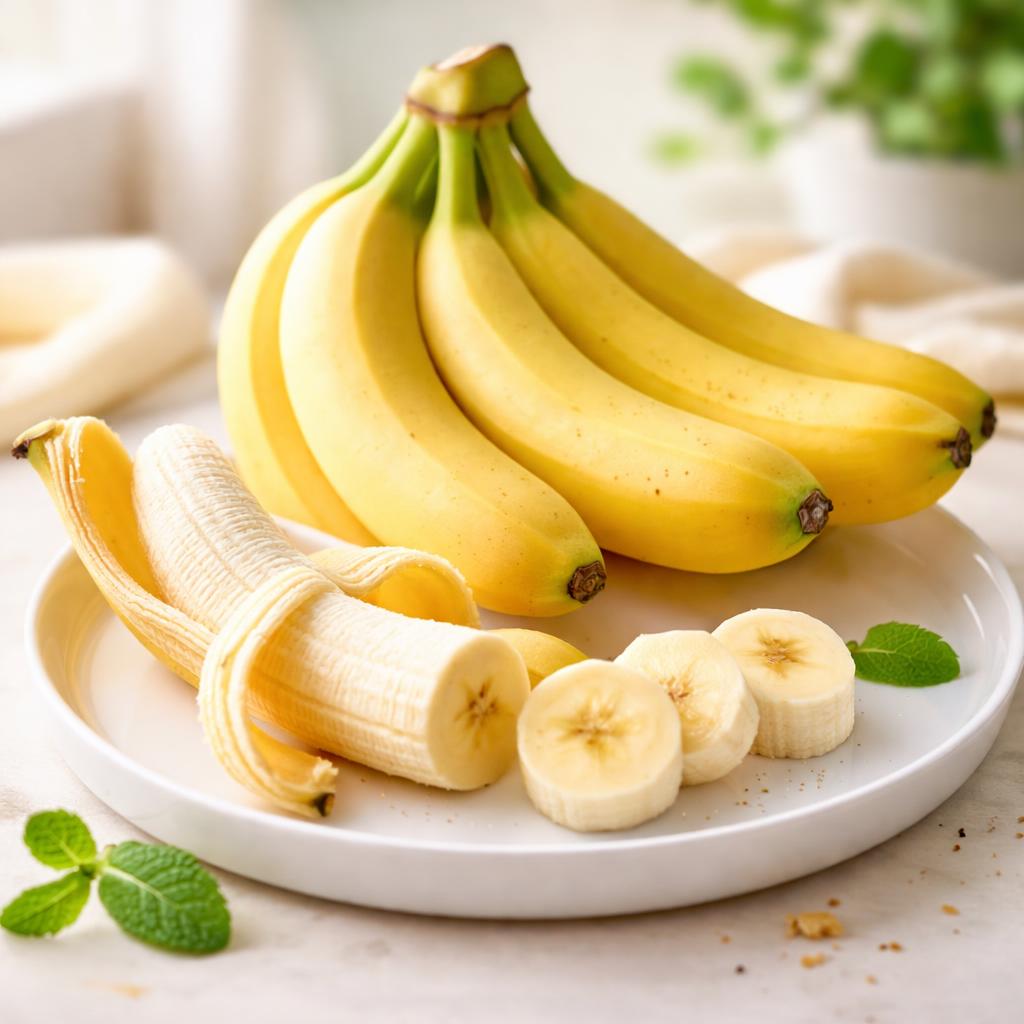
Banana
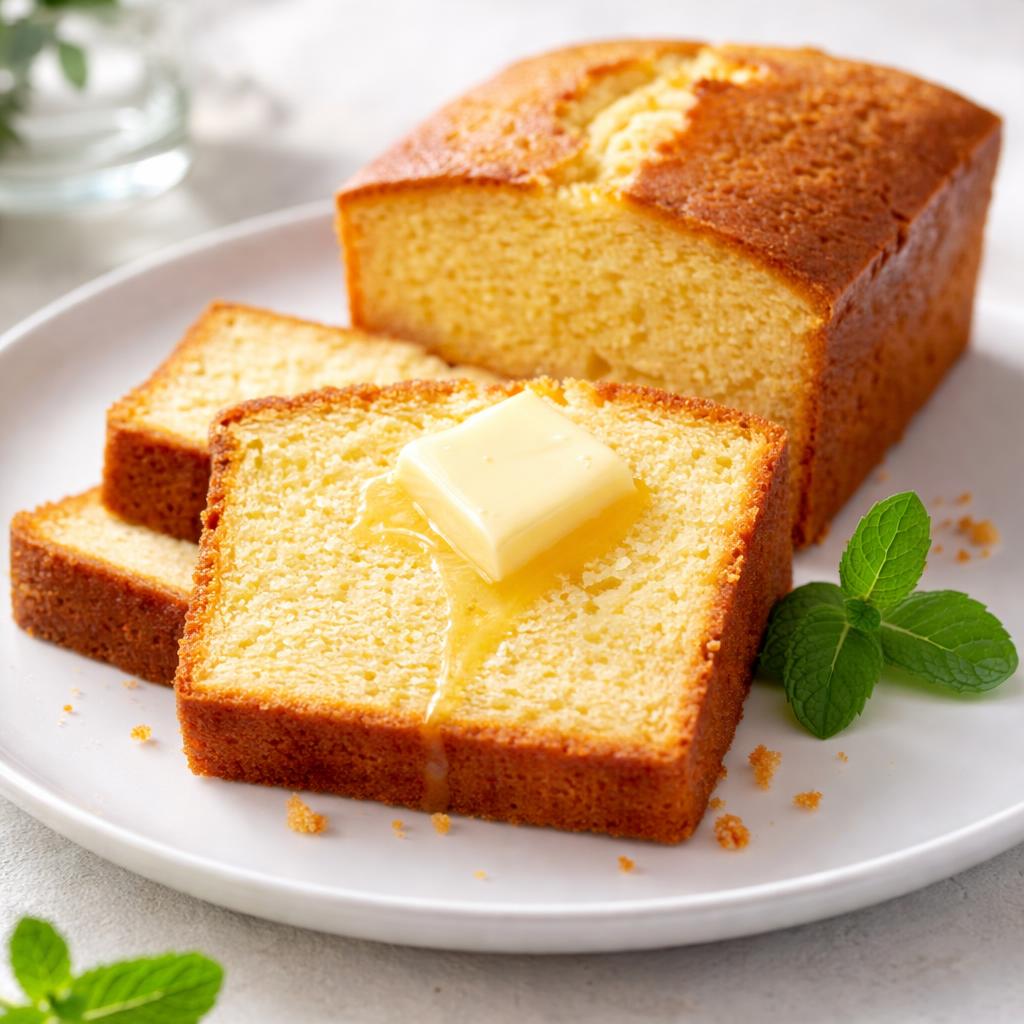
Butter Cake
🎯 Quick Verdict
Bananas and butter cake differ significantly in nutritional profiles and dietary use. Bananas are lower in calories, higher in fiber, and rich in potassium, making them ideal for healthy snacking or fueling exercise. Butter cake, while higher in protein, is calorie-dense and better suited as an occasional dessert treat due to its high sugar and fat content.

Smart Nutrition Tracking with SnapCalorie

📊 Nutritional Comparison
Macronutrients
| Nutrient | Food 1 | Food 2 | Winner |
|---|---|---|---|
| Calories | 105 | 250 | ✓ |
| Protein | 1.3g | 3g | ✓ |
| Carbs | 27g | 35g | ✓ |
| Fat | 0.3g | 10g | ✓ |
| Fiber | 3g | 0.5g | ✓ |
Vitamins & Minerals
| Nutrient | Food 1 | Food 2 | Winner |
|---|---|---|---|
| Vitamin C | 10mg | 0mg | ✓ |
| Potassium | 422mg | 50mg | ✓ |
| Calcium | 6mg | 5mg | ✓ |
| Iron | 0.3mg | 1mg | ✓ |
🏆 Category Winners
Protein
Butter cake has more protein (3g vs 1.3g).
Fiber
Banana contains 6x more fiber than butter cake (3g vs 0.5g).
Calories
Banana is much lower in calories (105 vs 250).
Vitamins
Banana offers more nutrients like vitamin C and potassium.
🥗 Diet Compatibility
Keto
Food 1: Not Compatible
Food 2: Not Compatible
Both are high in carbs and not suitable for keto diets.
Vegan
Food 1: Compatible
Food 2: Not Compatible
Bananas are plant-based, whereas butter cake often contains dairy and eggs.
Gluten Free
Food 1: Compatible
Food 2: Not Compatible
Butter cake usually contains wheat flour, making it unsuitable for gluten-free diets.
Paleo
Food 1: Compatible
Food 2: Not Compatible
Bananas are paleo-approved; butter cake contains processed ingredients like refined sugar and flour.
Low Carb
Food 1: Not Compatible
Food 2: Not Compatible
Both foods are high in carbohydrates.
💪 Health Benefits Comparison
Food 1 Benefits
- High in potassium for heart and muscle health
- Good source of fiber to support digestion
- Contains vitamin C to boost immune health
- Provides natural sugars for sustained energy
Food 2 Benefits
- Higher protein content for muscle repair
- Provides quick energy due to sugar and carbs
- Contains some essential minerals like iron and calcium
- Can serve as an occasional dessert for indulgence
✅ The Bottom Line
Bananas are a nutrient-dense choice providing vitamins, fiber, and fewer calories, ideal for everyday snacking or fueling workouts. Butter cake, while higher in protein, is calorie-dense and best enjoyed occasionally for celebrations or dessert cravings.
Choose Food 1 for: Healthy snacking, post-workout energy, digestion, immune health
Choose Food 2 for: Indulgence, dessert occasions, quick energy boosts


