Banana VS Butter
A detailed nutritional comparison
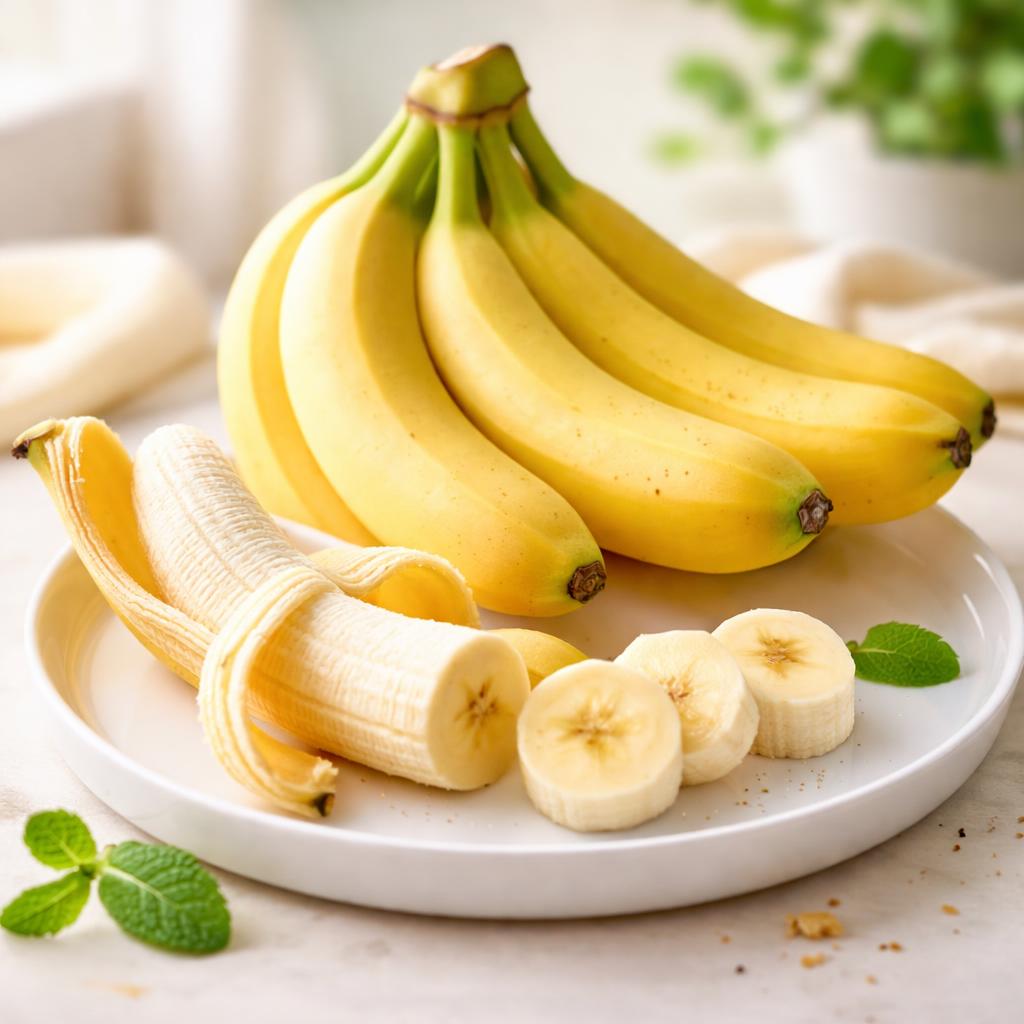
Banana
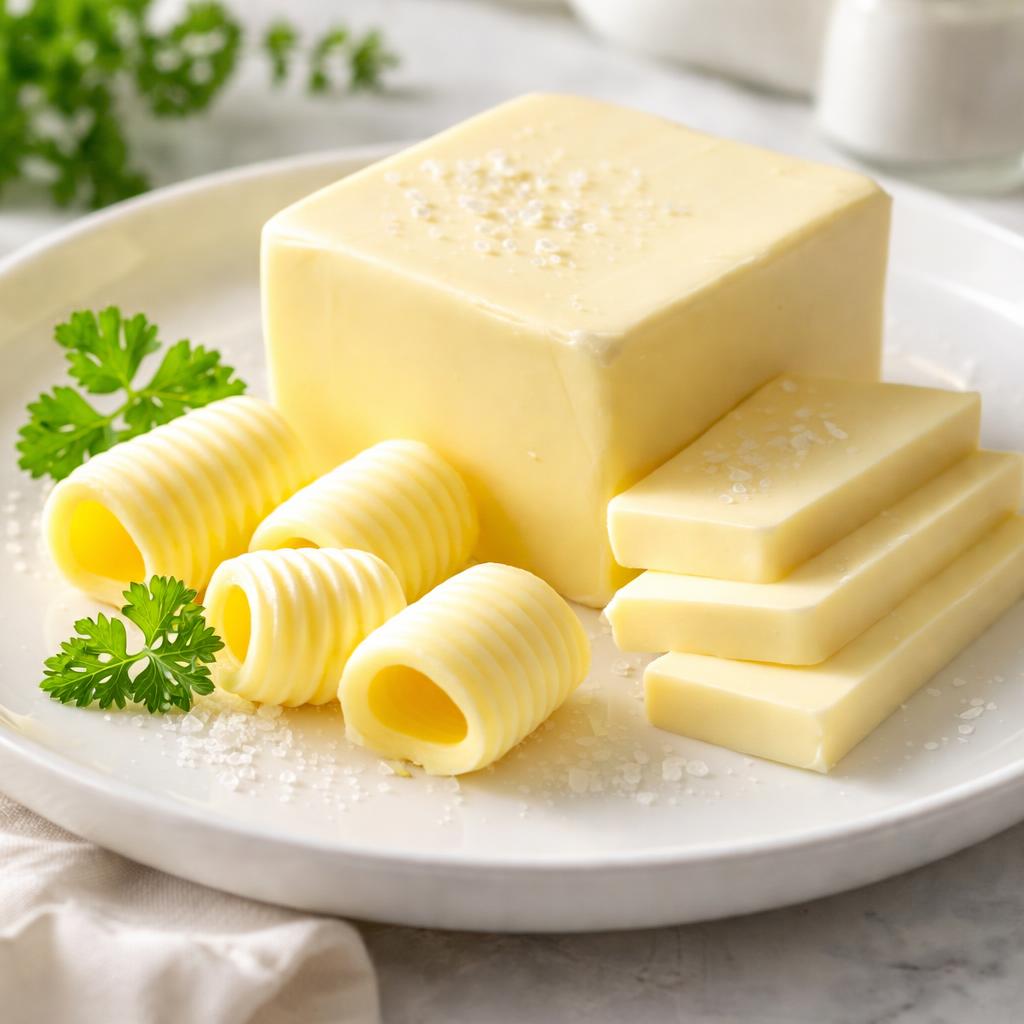
Butter
🎯 Quick Verdict
Bananas and butter serve very different dietary purposes. Bananas are low-calorie, rich in fiber, and high in potassium, making them great for energy and digestion. Butter is calorie-dense, high in fat, and contains a modest amount of vitamins A and D, making it ideal for energy and adding richness to food when used in moderation.

Smart Nutrition Tracking with SnapCalorie

📊 Nutritional Comparison
Macronutrients
| Nutrient | Food 1 | Food 2 | Winner |
|---|---|---|---|
| Calories | 105 | 102 calories per tablespoon (approx. 720 per 100g) | ✓ |
| Protein | 1.3g | 0.1g | ✓ |
| Carbs | 27g | 0g | ✓ |
| Fat | 0.3g | 11.5g per tablespoon (81g per 100g) | ✓ |
| Fiber | 3.1g | 0g | ✓ |
Vitamins & Minerals
| Nutrient | Food 1 | Food 2 | Winner |
|---|---|---|---|
| Vitamin A | 76 IU | 438 IU per tablespoon | ✓ |
| Vitamin D | 0 IU | 80 IU per tablespoon | ✓ |
| Potassium | 422mg | 3mg | ✓ |
🏆 Category Winners
Protein
Bananas contain 13 times more protein than butter.
Fiber
Butter contains no fiber, while bananas provide 3.1g per serving.
Calories
Bananas have significantly lower calories compared to butter.
Vitamins
Butter provides higher amounts of vitamins A and D compared to bananas.
🥗 Diet Compatibility
Keto
Food 1: Not Compatible
Food 2: Compatible
Bananas are high in carbs, while butter is low-carb and high-fat.
Vegan
Food 1: Compatible
Food 2: Not Compatible
Bananas are plant-based, but butter contains dairy.
Gluten Free
Food 1: Compatible
Food 2: Compatible
Neither contains gluten.
Paleo
Food 1: Compatible
Food 2: Compatible
Both fit paleo guidelines, though butter should be grass-fed in a strict paleo diet.
Low Carb
Food 1: Not Compatible
Food 2: Compatible
Butter has zero carbs; bananas are high in carbs.
💪 Health Benefits Comparison
Food 1 Benefits
- High in potassium for heart and muscle health
- Rich in dietary fiber to support digestion
- Contains antioxidants for overall cellular health
Food 2 Benefits
- Source of healthy fats for energy
- Contains vitamins A and D for eye and bone health
- May help improve the absorption of fat-soluble vitamins
✅ The Bottom Line
Bananas and butter each have their place in a balanced diet. Choose bananas for a low-calorie snack, sustained energy, and fiber. Butter, when used sparingly, is great for adding fat-soluble vitamins, energy, and richness to meals, especially in low-carb diets.
Choose Food 1 for: Snacks, energy boost, digestion support
Choose Food 2 for: Ketogenic diets, cooking fats, adding flavor and calories


