Banana VS Buckwheat
A detailed nutritional comparison

Banana
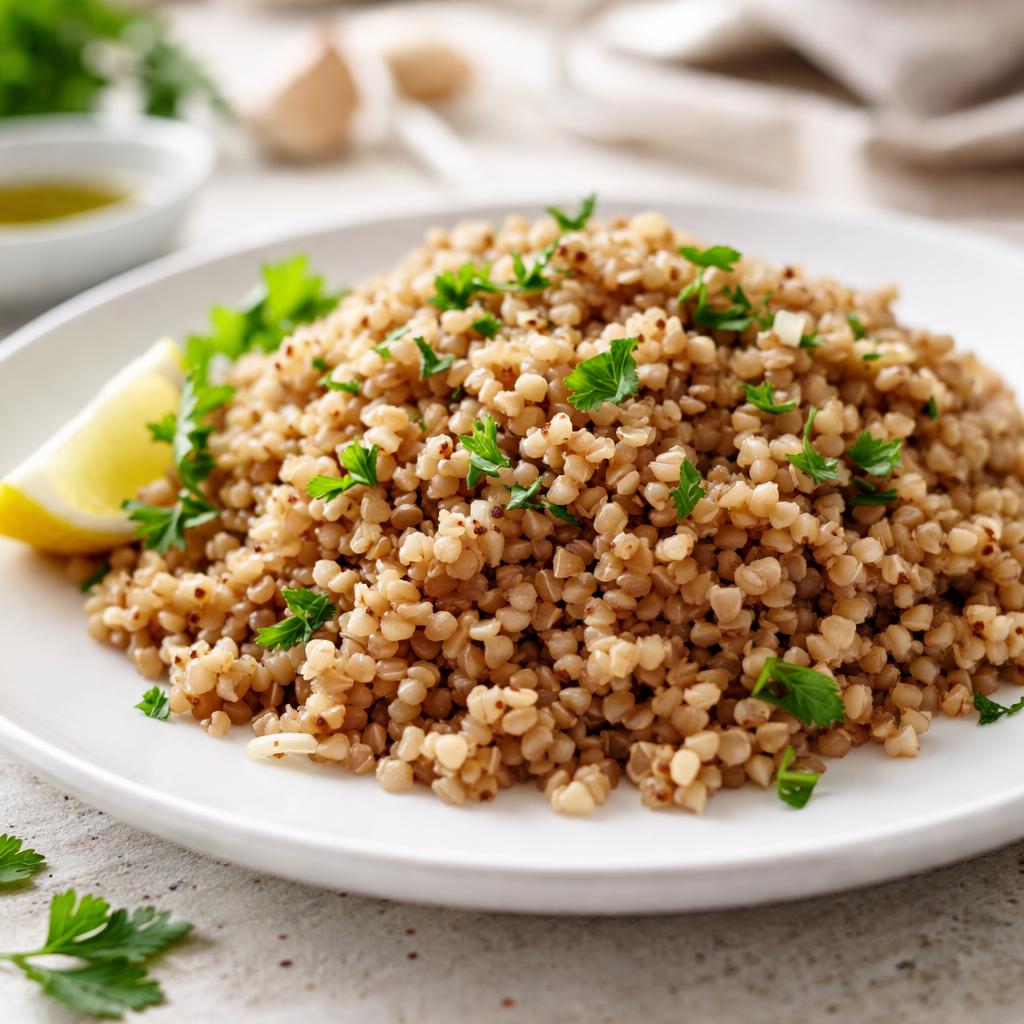
Buckwheat
🎯 Quick Verdict
Buckwheat outshines banana in protein and fiber content, making it more suitable for muscle-building and digestive health. Bananas, however, are lower in calories and provide quick energy, making them an excellent snack or workout companion. Choose buckwheat for nutrient density and versatility; opt for bananas when convenience and portability are key.

Smart Nutrition Tracking with SnapCalorie

📊 Nutritional Comparison
Macronutrients
| Nutrient | Food 1 | Food 2 | Winner |
|---|---|---|---|
| Calories | 105 | 343 | ✓ |
| Protein | 1.3g | 13.3g | ✓ |
| Carbs | 27g | 71.5g | ✓ |
| Fat | 0.3g | 3.4g | ✓ |
| Fiber | 3.1g | 10g | ✓ |
Vitamins & Minerals
| Nutrient | Food 1 | Food 2 | Winner |
|---|---|---|---|
| Vitamin C | 10.3mg | 0mg | ✓ |
| Vitamin D | 0mcg | 0mcg | − |
| Calcium | 6mg | 17mg | ✓ |
| Iron | 0.3mg | 2.2mg | ✓ |
| Magnesium | 27mg | 231mg | ✓ |
🏆 Category Winners
Protein
Buckwheat provides over 10 times more protein than banana per serving.
Fiber
Buckwheat has more than triple the fiber content of banana.
Calories
Banana has significantly lower calories, making it suitable for calorie-conscious diets.
Vitamins
Buckwheat is richer in essential minerals like magnesium and iron, whereas banana excels in vitamin C.
🥗 Diet Compatibility
Keto
Food 1: Not Compatible
Food 2: Not Compatible
Both foods are high in carbs and not suitable for ketogenic diets.
Vegan
Food 1: Compatible
Food 2: Compatible
Both foods are plant-based and vegan-friendly.
Gluten Free
Food 1: Compatible
Food 2: Compatible
Neither food contains gluten, making them safe for gluten-free diets.
Paleo
Food 1: Compatible
Food 2: Compatible
Both foods align with the principles of paleo eating.
Low-Carb
Food 1: Not Compatible
Food 2: Not Compatible
Both foods are carbohydrate-dense and unsuitable for low-carb diets.
💪 Health Benefits Comparison
Food 1 Benefits
- Rich in potassium, supporting heart health and muscle function
- Source of quick-digesting carbs for instant energy
- Contains vitamin C for immune system support
Food 2 Benefits
- High in protein, beneficial for muscle repair and maintenance
- Excellent source of dietary fiber for gut health
- Rich in magnesium, supporting bone health and reducing inflammation
- Provides iron for improved oxygen transport and energy levels
✅ The Bottom Line
Buckwheat is the better overall choice for nutrient density, especially for those seeking higher protein and fiber content. Bananas are ideal for quick energy, convenience, and portability. Choose buckwheat to enhance your meals with substantial nutrients, and grab bananas for a quick, healthy snack or on-the-go fuel.
Choose Food 1 for: Quick energy, snacking, pre-workout fuel
Choose Food 2 for: Muscle-building, digestive health, nutrient-dense recipes


