Banana VS Brown Sauce
A detailed nutritional comparison
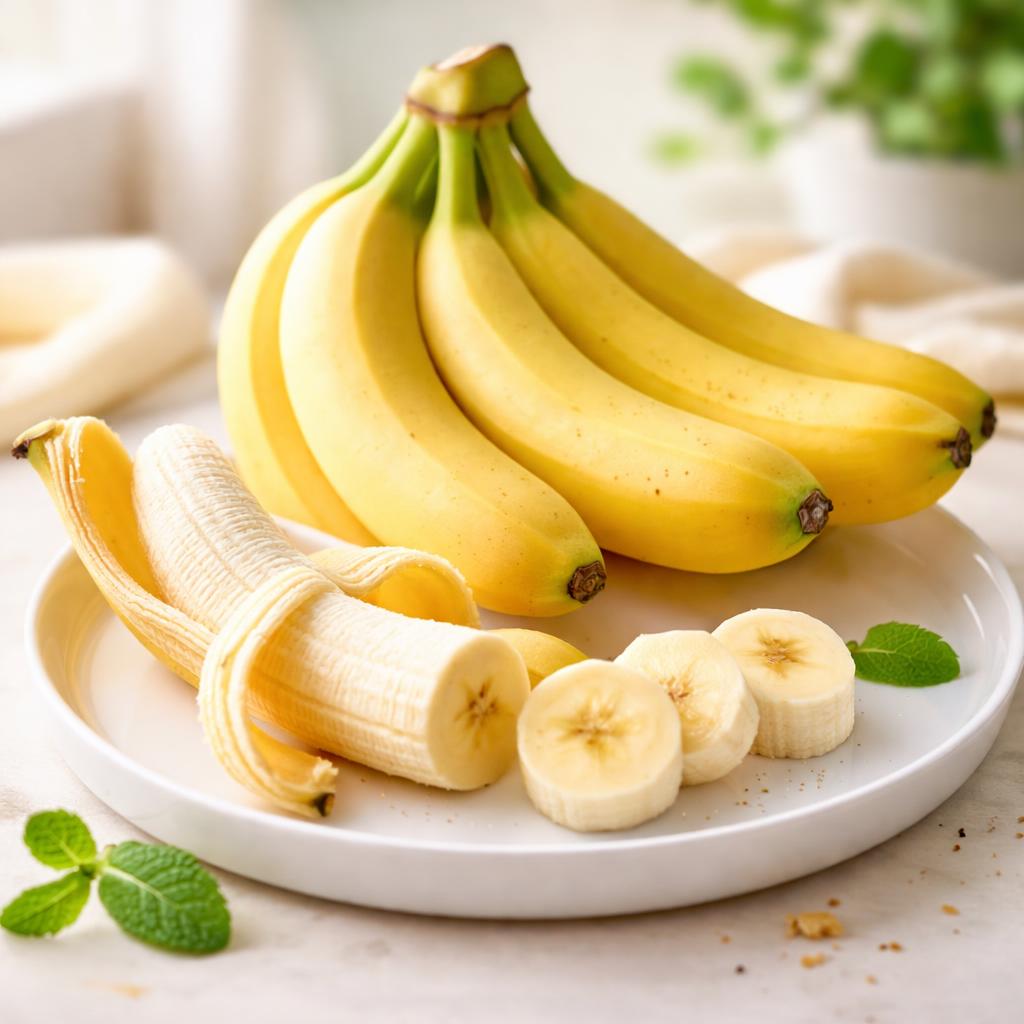
Banana
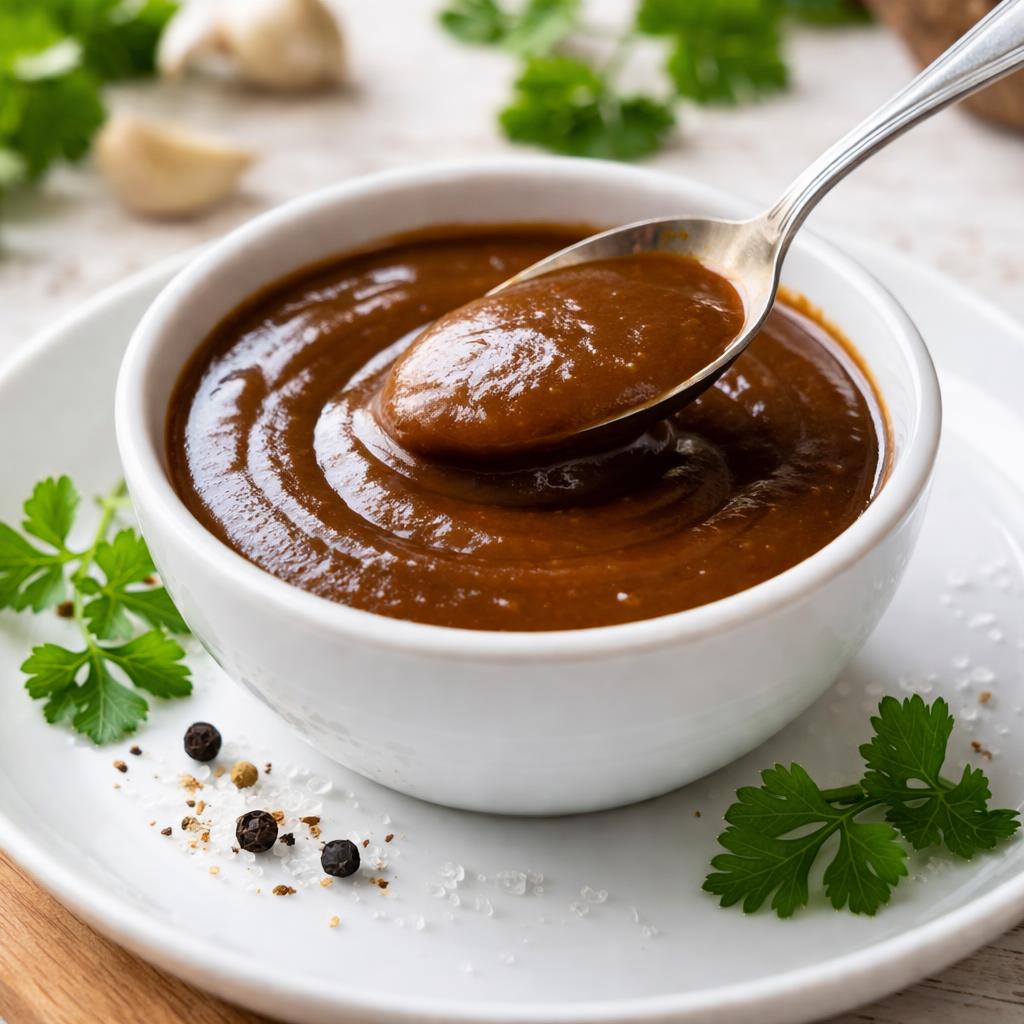
Brown Sauce
🎯 Quick Verdict
Bananas are a nutrient-dense fruit packed with vitamins, minerals, and fiber, making them an overall healthier choice for most diets. Brown sauce, while flavorful, is calorie-dense and low in key nutrients, but adds a savory kick to meals in small quantities.

Smart Nutrition Tracking with SnapCalorie

📊 Nutritional Comparison
Macronutrients
| Nutrient | Food 1 | Food 2 | Winner |
|---|---|---|---|
| Calories | 105 | 80 per tablespoon | ✓ |
| Protein | 1.3g | 1g per tablespoon | − |
| Carbs | 27g | 20g per tablespoon | ✓ |
| Fat | 0.3g | 0g | ✓ |
| Fiber | 3.1g | 0.2g per tablespoon | ✓ |
Vitamins & Minerals
| Nutrient | Food 1 | Food 2 | Winner |
|---|---|---|---|
| Vitamin C | 10mg | 1mg per tablespoon | ✓ |
| Potassium | 422mg | 15mg per tablespoon | ✓ |
| Iron | 0.3mg | 0.1mg per tablespoon | ✓ |
🏆 Category Winners
Protein
Both foods have minimal protein content and are comparable in amount.
Fiber
Bananas contain significantly more fiber, supporting digestive health.
Calories
Bananas offer fewer calories in typical serving sizes compared to brown sauce.
🥗 Diet Compatibility
Keto
Food 1: Not Compatible
Food 2: Not Compatible
Both foods are high in carbohydrates and inappropriate for keto diets.
Vegan
Food 1: Compatible
Food 2: Compatible
Neither food contains animal products.
Gluten Free
Food 1: Compatible
Food 2: Check Specific Brand
Bananas are naturally gluten-free; brown sauce may require label checking for added gluten-containing ingredients.
Paleo
Food 1: Compatible
Food 2: Not Compatible
Bananas fit within paleo guidelines, whereas brown sauce often contains processed ingredients.
Low Carb
Food 1: Not Compatible
Food 2: Not Compatible
Both foods are relatively high in carbohydrates and not ideal for low-carb diets.
💪 Health Benefits Comparison
Food 1 Benefits
- Rich in potassium for heart and muscle health
- Provides dietary fiber to support digestion
- Contains vitamin C for immune function and skin health
- Natural source of energy through complex carbohydrates
Food 2 Benefits
- Adds flavor to meals with minimal fat
- Can enhance food variety when used sparingly
- Often contains antioxidants from ingredients like vinegar and spices
- Low-calorie condiment in small servings
✅ The Bottom Line
If you are looking for a nutritious snack or are focusing on health, bananas are the clear choice due to their fiber, potassium, and vitamin content. Brown sauce is best used sparingly as a flavor enhancer rather than a primary food selection.
Choose Food 1 for: Healthy snacking, digestive health, energy boost
Choose Food 2 for: Adding flavor to meals, condiments, portion-controlled use


