Banana VS Bread With Spread
A detailed nutritional comparison
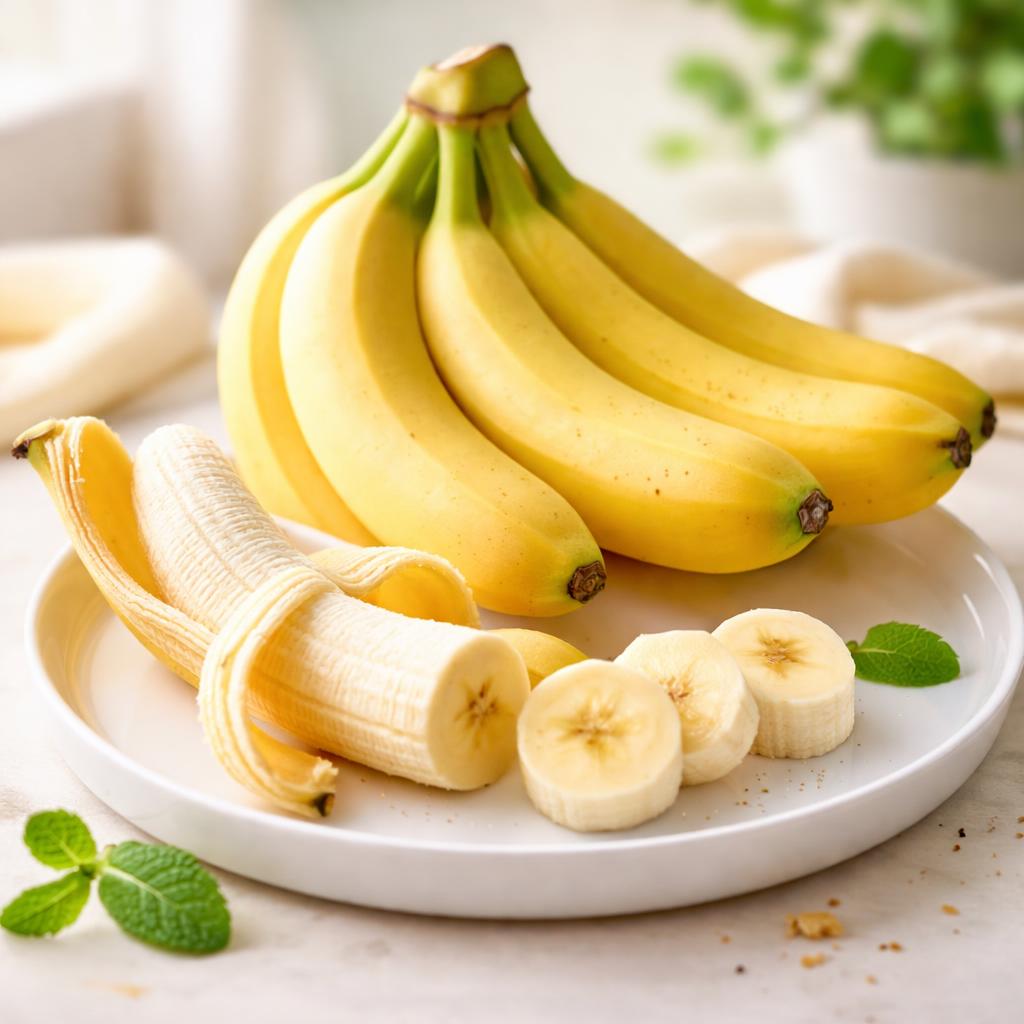
Banana
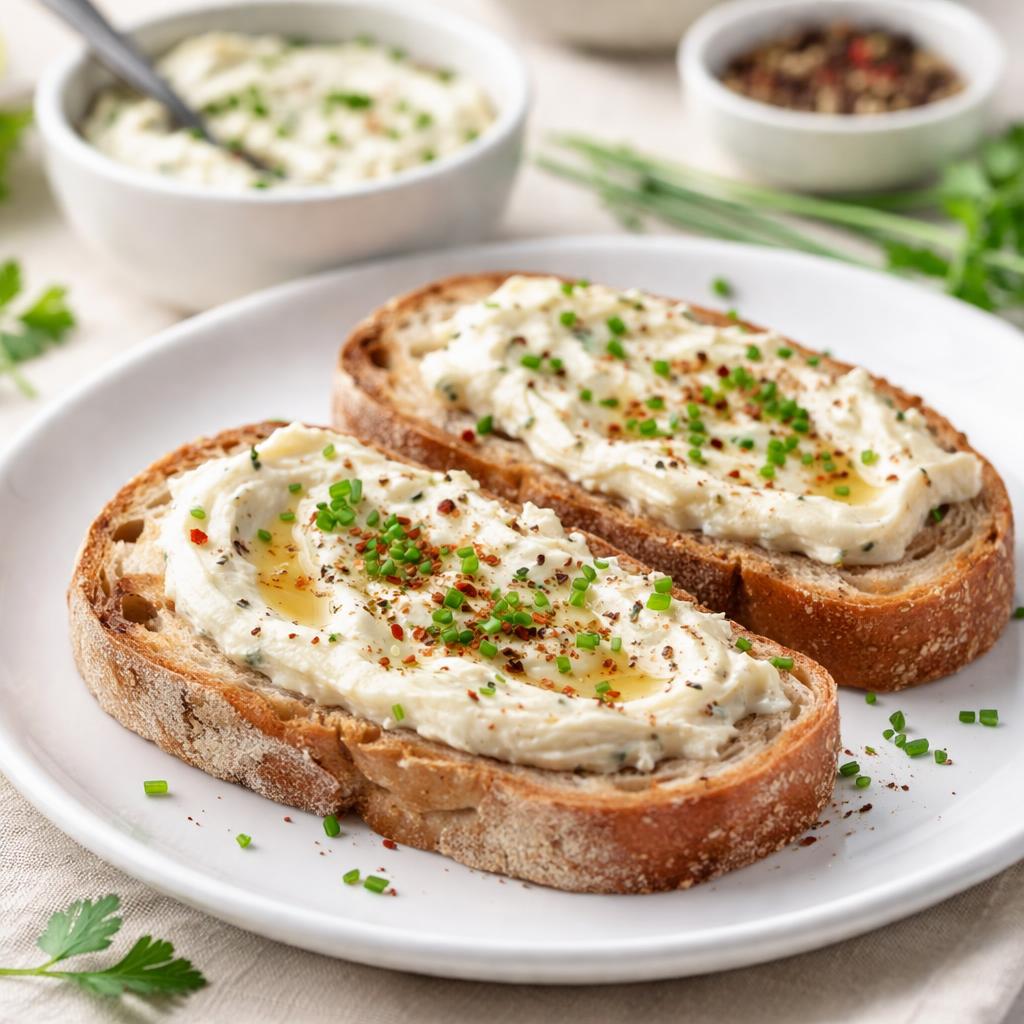
Bread With Spread
🎯 Quick Verdict
While bananas provide natural energy with lower calories and more fiber, bread with spread offers higher protein, fats, and additional vitamins depending on the type of spread used. Bananas are ideal for quick snacks and digestive health, while bread with spread caters to more nutrient-dense meal choices or sustained energy needs.

Smart Nutrition Tracking with SnapCalorie

📊 Nutritional Comparison
Macronutrients
| Nutrient | Food 1 | Food 2 | Winner |
|---|---|---|---|
| Calories | 105 | 230 | ✓ |
| Protein | 1.3g | 7g | ✓ |
| Carbs | 27g | 25g | − |
| Fat | 0.3g | 10g | ✓ |
| Fiber | 3.1g | 2g | ✓ |
Vitamins & Minerals
| Nutrient | Food 1 | Food 2 | Winner |
|---|---|---|---|
| Vitamin C | 10mg | 0.5mg | ✓ |
| Vitamin D | 0mcg | 2mcg | ✓ |
| Calcium | 5mg | 125mg | ✓ |
| Iron | 0.3mg | 1mg | ✓ |
🏆 Category Winners
Protein
Bread with spread provides over 5x more protein than a banana.
Fiber
Banana contains 55% more fiber than bread with spread.
Calories
Bananas offer less than half the calories compared to bread with spread.
Vitamins
Bread with spread often includes fortified vitamins like Vitamin D and calcium.
🥗 Diet Compatibility
Keto
Food 1: Not Compatible
Food 2: Not Compatible
Both foods are high in carbs and not suitable for strict keto diets.
Vegan
Food 1: Compatible
Food 2: Depends
A banana is plant-based, while bread with spread may vary depending on ingredients used.
Gluten Free
Food 1: Compatible
Food 2: Not Compatible
Bananas are naturally gluten-free, but bread typically contains gluten.
Paleo
Food 1: Compatible
Food 2: Not Compatible
Bananas are paleo-friendly, while processed bread is not.
Low-Carb
Food 1: Not Compatible
Food 2: Not Compatible
Both foods are carbohydrate-heavy and unsuitable for low-carb diets.
💪 Health Benefits Comparison
Food 1 Benefits
- Rich in potassium for heart health and electrolyte balance
- Good source of dietary fiber for improved digestion
- Contains natural sugars for quick energy boosts
- Provides Vitamin C to support the immune system
Food 2 Benefits
- Higher protein content for muscle repair and maintenance
- Contains fortified calcium for stronger bones
- Provides sustained energy from healthy fats (depending on spread)
- Additional vitamins like Vitamin D for immune and bone health
✅ The Bottom Line
Bananas shine as a natural, lower-calorie option ideal for digestion, quick snacks, or as part of a fruit-based diet. Bread with spread offers a higher-calorie, nutrient-dense option that supports protein intake and sustained energy, making it suitable for hearty meals or post-workout recovery.
Choose Food 1 for: Quick snacks, improved digestion, fruit-based breakfasts
Choose Food 2 for: Sustained energy, protein needs, nutrient enrichment


