Banana VS Biscuits
A detailed nutritional comparison
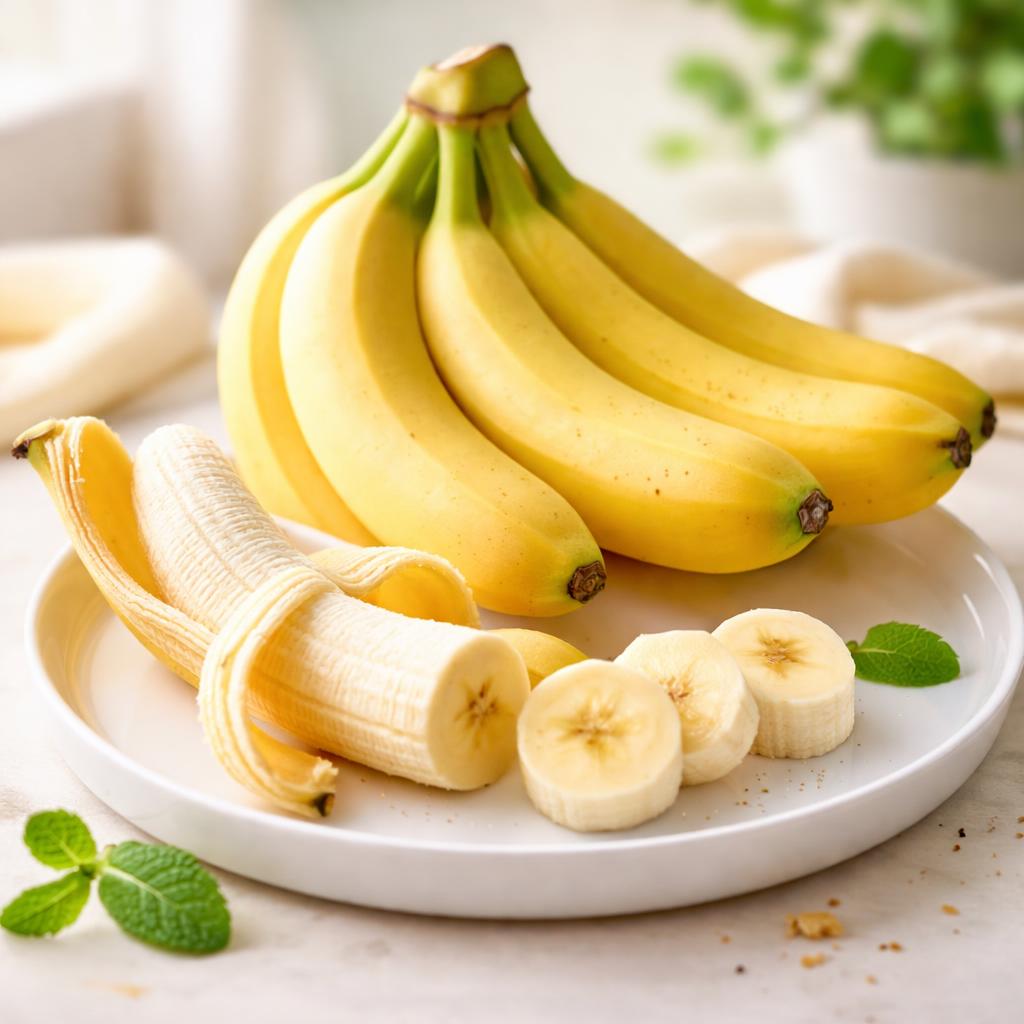
Banana
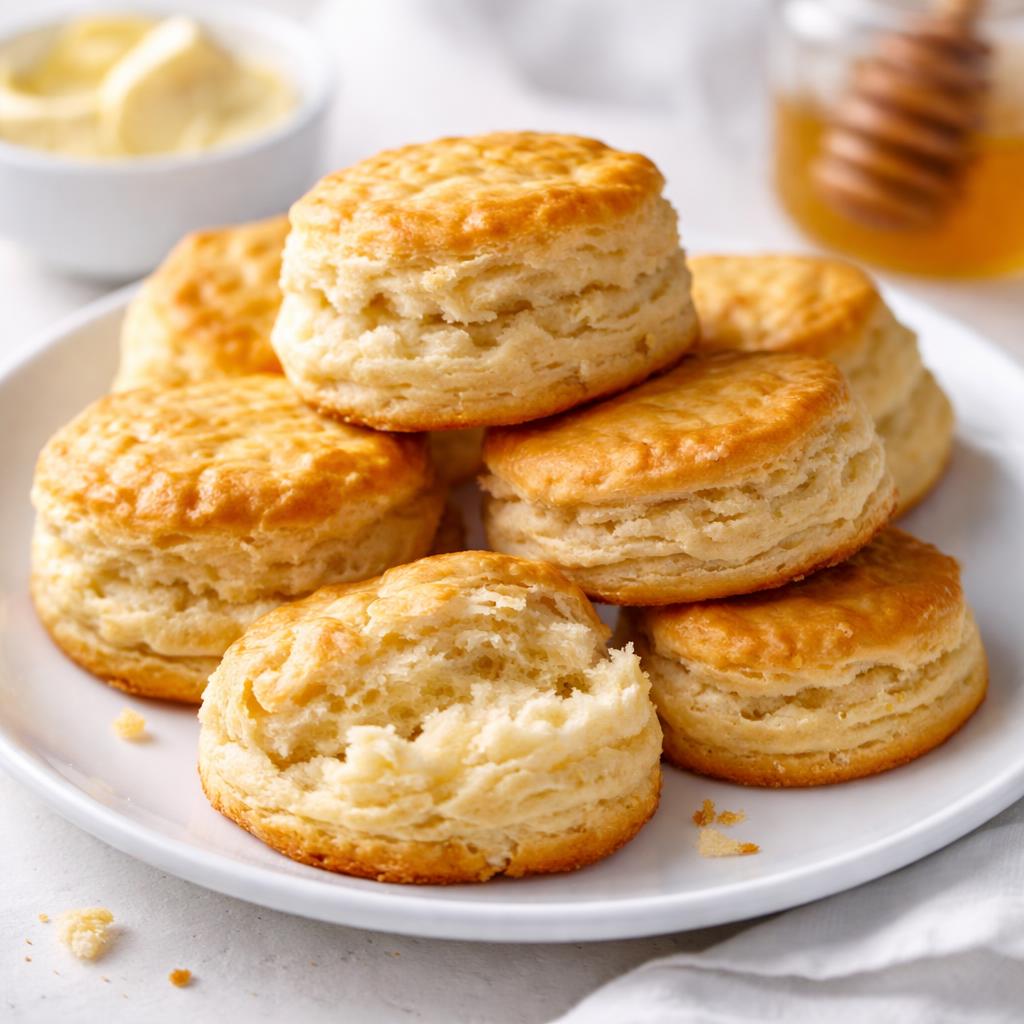
Biscuits
🎯 Quick Verdict
Bananas provide more fiber, fewer calories, and natural sugars, making them ideal for a quick energy boost and digestion. Biscuits, on the other hand, contain more protein and fat but are highly processed and calorie-dense, better suited for indulgence rather than daily consumption.

Smart Nutrition Tracking with SnapCalorie

📊 Nutritional Comparison
Macronutrients
| Nutrient | Food 1 | Food 2 | Winner |
|---|---|---|---|
| Calories | 105 | 450 (per 100g) | ✓ |
| Protein | 1.3g | 6.1g (per 100g) | ✓ |
| Carbs | 27g | 65g (per 100g) | ✓ |
| Fat | 0.3g | 18g (per 100g) | ✓ |
| Fiber | 3.1g | 1g (per 100g) | ✓ |
Vitamins & Minerals
| Nutrient | Food 1 | Food 2 | Winner |
|---|---|---|---|
| Vitamin C | 10.3mg | 0mg | ✓ |
| Vitamin D | 0mcg | 0mcg | − |
| Calcium | 6mg | 22mg | ✓ |
| Iron | 0.3mg | 1.2mg (per 100g) | ✓ |
🏆 Category Winners
Protein
Biscuits contain significantly more protein per 100g than a banana.
Fiber
Bananas provide over three times the fiber content.
Calories
Bananas have significantly fewer calories compared to biscuits.
🥗 Diet Compatibility
Keto
Food 1: Not Compatible
Food 2: Not Compatible
Both foods are high in carbs.
Vegan
Food 1: Compatible
Food 2: Compatible
Both foods are plant-based assuming biscuits contain no animal-based additives.
Gluten Free
Food 1: Compatible
Food 2: Not Compatible
Bananas are naturally gluten-free, but most biscuits contain wheat.
Paleo
Food 1: Compatible
Food 2: Not Compatible
Bananas are whole foods, while biscuits are processed and not allowed on the paleo diet.
Low Carb
Food 1: Not Compatible
Food 2: Not Compatible
Both foods are carb-heavy and not suitable for low-carb diets.
💪 Health Benefits Comparison
Food 1 Benefits
- Rich in potassium for heart health and muscle function
- Good source of natural energy through complex carbohydrates
- High in dietary fiber for improved digestion
Food 2 Benefits
- Provides quick energy due to high carbohydrate content
- Contains protein for muscle repair and maintenance
- May include iron and calcium for bone health (depending on recipe)
✅ The Bottom Line
Bananas are better suited for daily health, providing natural energy, fiber, and essential nutrients. Biscuits, while higher in protein, are calorie-dense and processed, making them more appropriate for occasional treats or higher energy needs.
Choose Food 1 for: Daily digestion support, quick energy boosts, healthy snacks
Choose Food 2 for: Indulgent treats, short-term energy needs, protein supplementation


