Banana VS Baking Powder
A detailed nutritional comparison
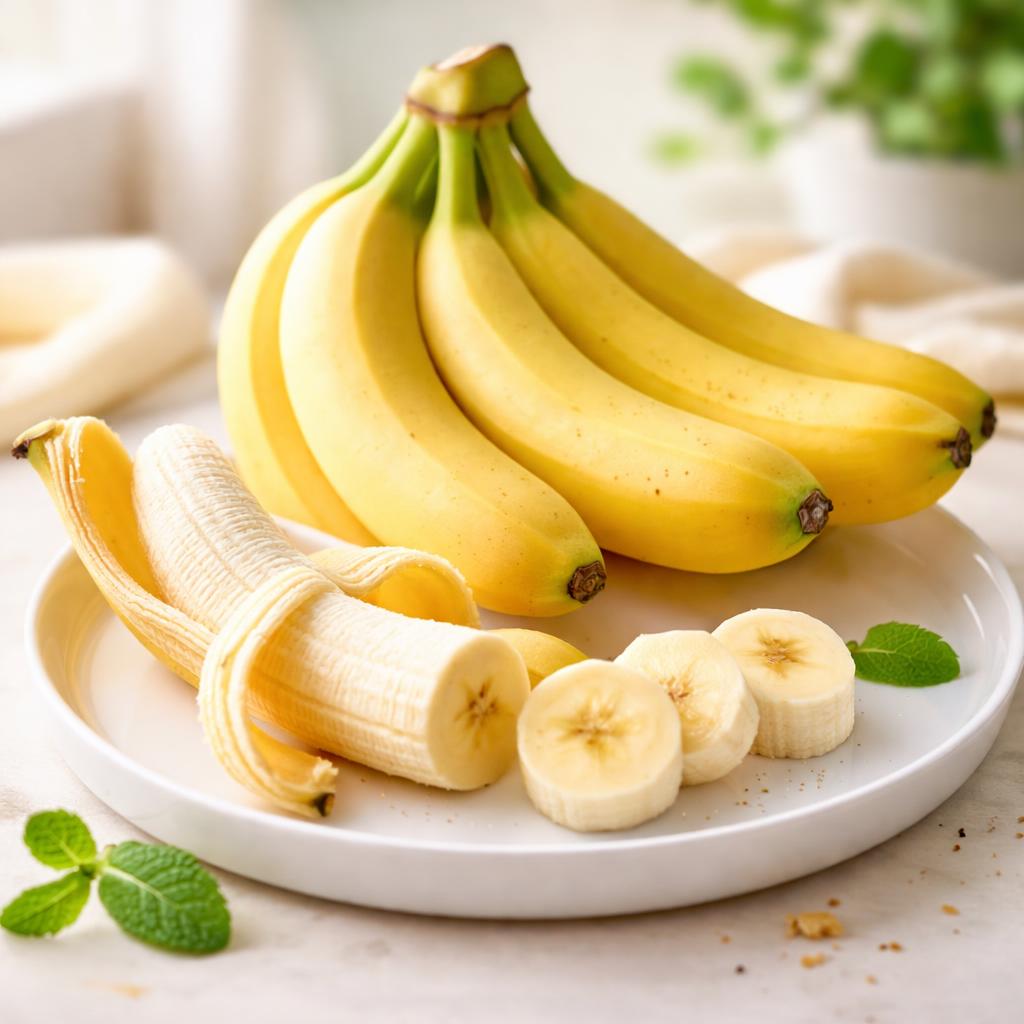
Banana
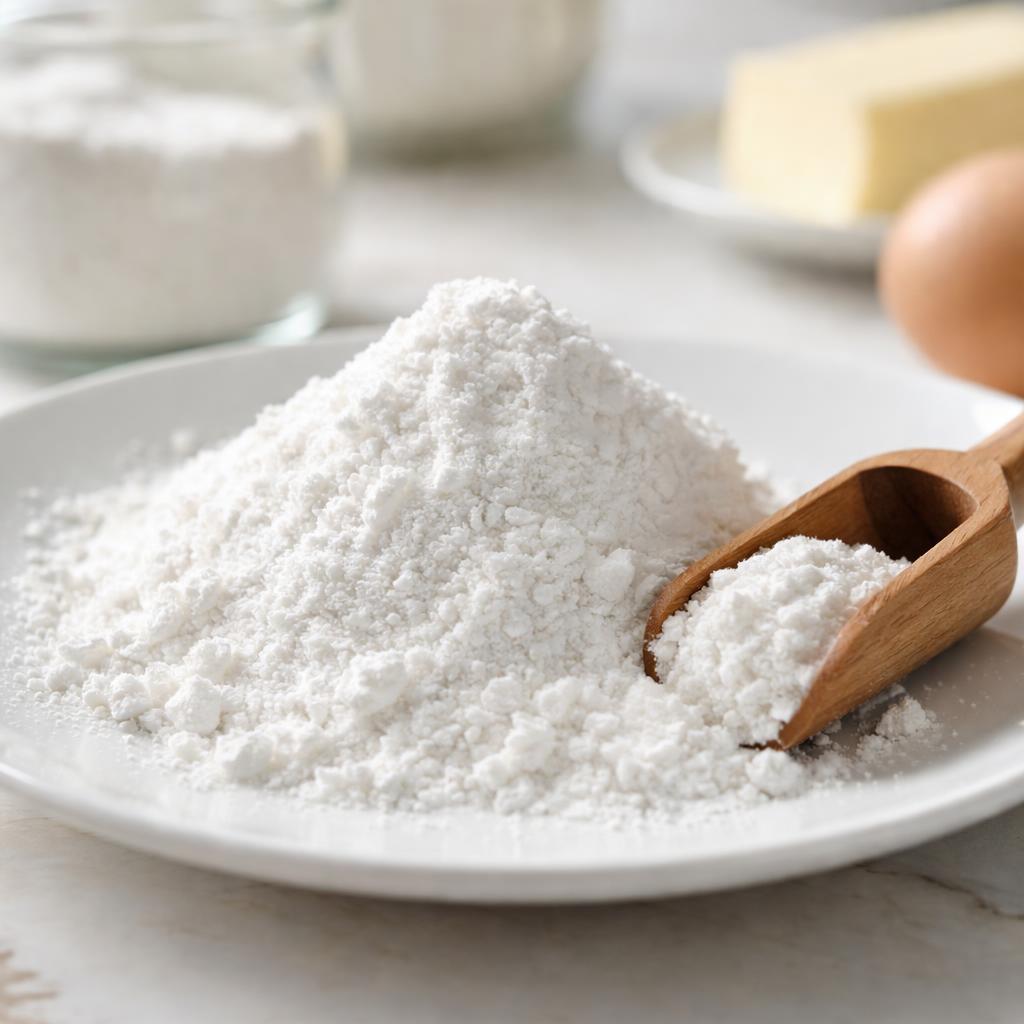
Baking Powder
🎯 Quick Verdict
Bananas and baking powder have vastly different nutritional profiles and uses. Bananas are nutrient-rich with natural sugars, fiber, and vitamins, ideal for snacking and energy. Baking powder is calorie-light and mainly a sodium-heavy leavening agent used in cooking or baking but offers minimal nutritional benefits beyond its functional purpose in recipes.

Smart Nutrition Tracking with SnapCalorie

📊 Nutritional Comparison
Macronutrients
| Nutrient | Food 1 | Food 2 | Winner |
|---|---|---|---|
| Calories | 105 | 10 | ✓ |
| Protein | 1.3g | 0g | − |
| Carbs | 27g | 2g | ✓ |
| Fat | 0.3g | 0g | ✓ |
| Fiber | 3.1g | 0g | ✓ |
Vitamins & Minerals
| Nutrient | Food 1 | Food 2 | Winner |
|---|---|---|---|
| Vitamin C | 10.3mg | 0mg | ✓ |
| Potassium | 422mg | 2mg | ✓ |
| Calcium | 6mg | 160mg | ✓ |
| Iron | 0.3mg | 1.2mg | ✓ |
🏆 Category Winners
Protein
Neither food is a significant source of protein.
Fiber
Bananas contain 3.1g of fiber, while baking powder has none.
Calories
Baking powder has only 10 calories, while bananas have 105 calories per serving.
🥗 Diet Compatibility
Keto
Food 1: Not Compatible
Food 2: Compatible
Bananas are high in carbs, while baking powder is very low-carb.
Vegan
Food 1: Compatible
Food 2: Compatible
Both foods are plant-based and vegan-friendly.
Gluten Free
Food 1: Compatible
Food 2: Compatible
Neither contains gluten.
Paleo
Food 1: Compatible
Food 2: Not Compatible
Bananas are natural and unprocessed, while baking powder is a refined product.
Low Carb
Food 1: Not Compatible
Food 2: Compatible
Bananas are high in carbs, while baking powder is low-carb.
💪 Health Benefits Comparison
Food 1 Benefits
- Rich in potassium for healthy muscle function and heart health
- Contains vitamin C for immune system support
- Provides natural sugars for quick energy
- Supports digestion due to fiber content
Food 2 Benefits
- Low in calories, making it non-impactful for weight management
- A source of calcium for bone health
- Contains sodium bicarbonate which can aid neutralization of stomach acid in small amounts
✅ The Bottom Line
Bananas are a nutrient-dense food ideal for snacking, workouts, and overall health, while baking powder serves as a calorie-light cooking ingredient rather than a dietary staple. Choose bananas for nutrition and baking powder solely for its functional purpose in recipes.
Choose Food 1 for: Snacking, energy boost, nutrient intake
Choose Food 2 for: Baking, low-calorie recipes, mineral supplementation in cooking


