Banana VS Bacon Bits
A detailed nutritional comparison
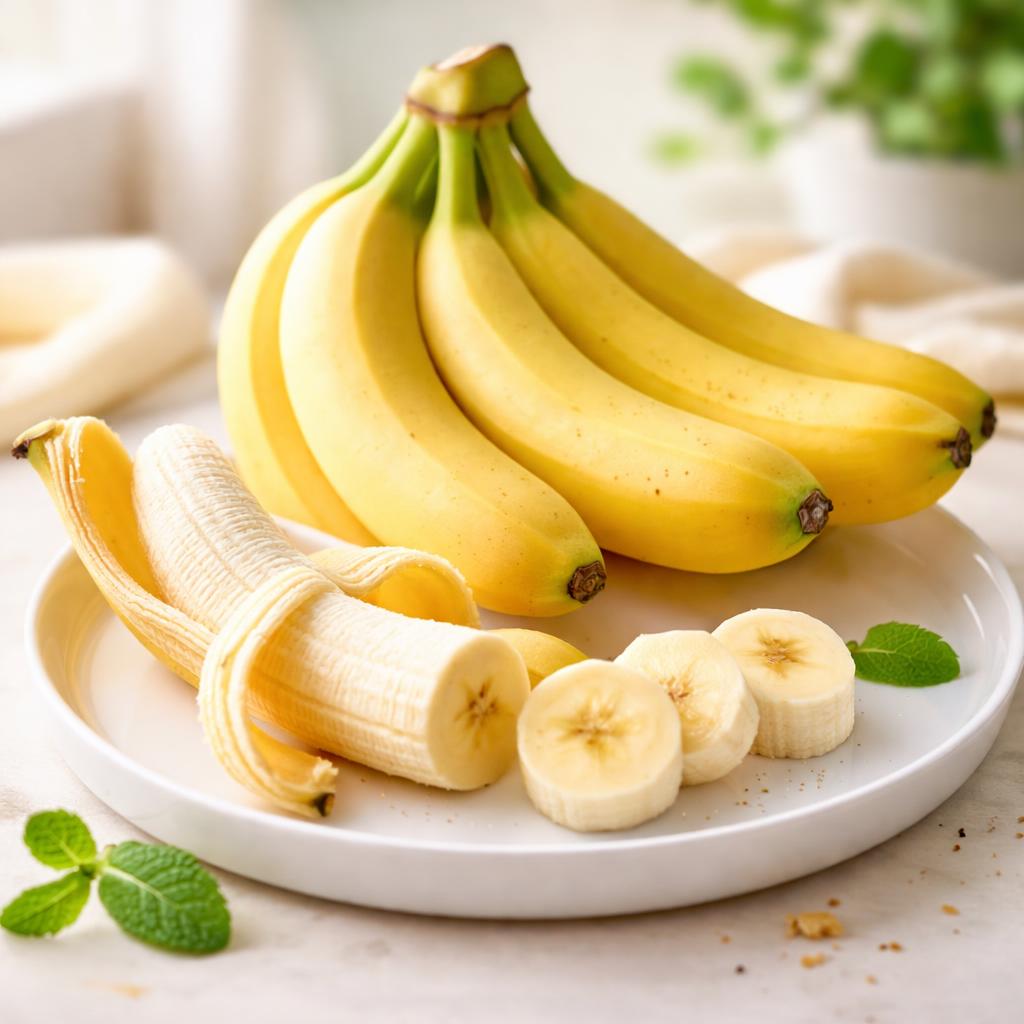
Banana
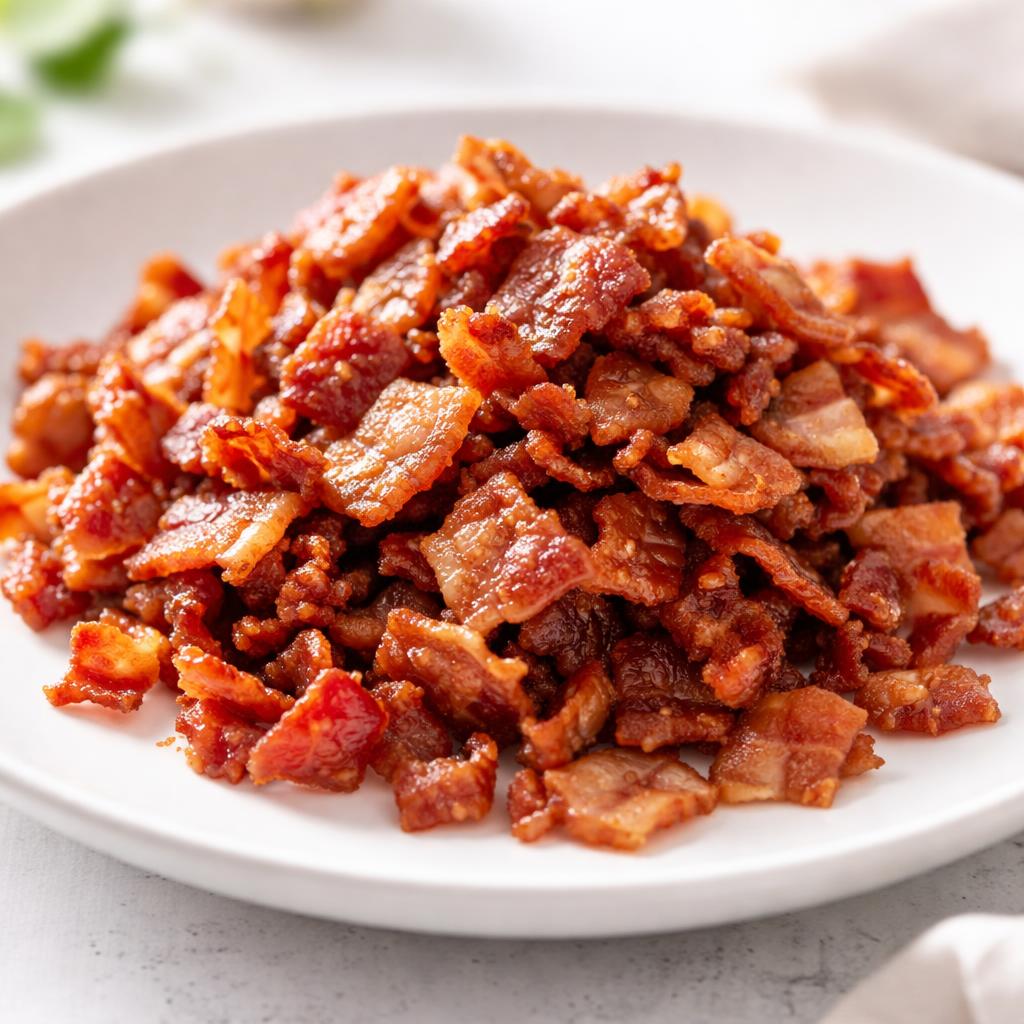
Bacon Bits
🎯 Quick Verdict
Bananas offer fewer calories (89 per medium banana) and are a healthier source of fiber and vitamins. Bacon bits, on the other hand, are high in protein (23g per serving) but have more fat and sodium, making them less suitable for low-fat diets. Bananas are ideal for snacks or energy boosts, while bacon bits work best as a protein addition to meals in moderation.

Smart Nutrition Tracking with SnapCalorie

📊 Nutritional Comparison
Macronutrients
| Nutrient | Food 1 | Food 2 | Winner |
|---|---|---|---|
| Calories | 89 | 140 | ✓ |
| Protein | 1g | 23g | ✓ |
| Carbs | 23g | 0g | ✓ |
| Fat | 0.3g | 10g | ✓ |
| Fiber | 3g | 0g | ✓ |
Vitamins & Minerals
| Nutrient | Food 1 | Food 2 | Winner |
|---|---|---|---|
| Vitamin C | 10mg | 0mg | ✓ |
| Potassium | 450mg | 70mg | ✓ |
| Sodium | 1mg | 580mg | ✓ |
🏆 Category Winners
Protein
Bacon bits provide significantly more protein than bananas, around 23 times higher.
Fiber
Bananas offer 3g of fiber compared to 0g in bacon bits.
Calories
Bananas have 36% fewer calories per serving.
Vitamins
Bananas are rich in vitamin C and potassium, whereas bacon bits lack most vitamins and minerals.
🥗 Diet Compatibility
Keto
Food 1: Not Compatible
Food 2: Compatible
Bananas are high in carbs, whereas bacon bits are carb-free.
Vegan
Food 1: Compatible
Food 2: Not Compatible
Bananas are plant-based, but bacon bits come from animal products.
Gluten Free
Food 1: Compatible
Food 2: Compatible
Both foods are naturally gluten-free.
Paleo
Food 1: Compatible
Food 2: Compatible
Bananas fit paleo diets; bacon bits can be consumed if processed additives are minimal.
Low-Carb
Food 1: Not Compatible
Food 2: Compatible
Bananas contain 23g carbs per serving, while bacon bits are carb-free.
💪 Health Benefits Comparison
Food 1 Benefits
- High potassium helps regulate blood pressure and heart health
- Good source of fiber for improved digestion
- Contains natural sugars for quick energy boosts
- Rich in vitamin C for immune support and skin health
Food 2 Benefits
- Excellent source of protein for muscle growth and repair
- Contains fats, providing a concentrated source of energy
- Offers a savory flavor as a condiment, reducing overuse of calorie-dense toppings
- Low in carbs and compatible with keto or low-carb diets
✅ The Bottom Line
Choose a banana for nutrient density, energy, and digestion-friendly benefits, especially during workouts or as a snack. Opt for bacon bits if you need to boost protein intake, but consume them sparingly due to high sodium and fat levels.
Choose Food 1 for: Energy boost, digestion, heart health support
Choose Food 2 for: High-protein meals, keto and low-carb diet compatibility


