Banana VS Baby Carrot
A detailed nutritional comparison
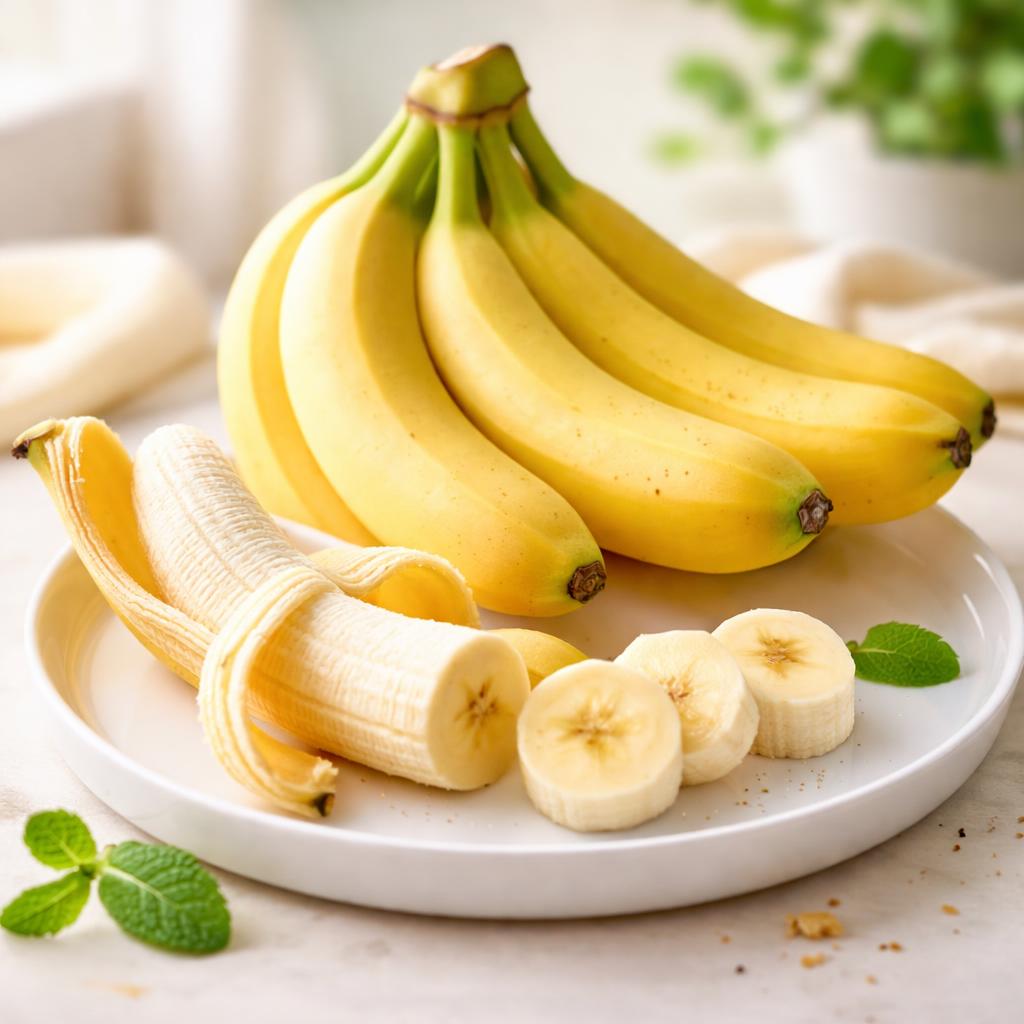
Banana
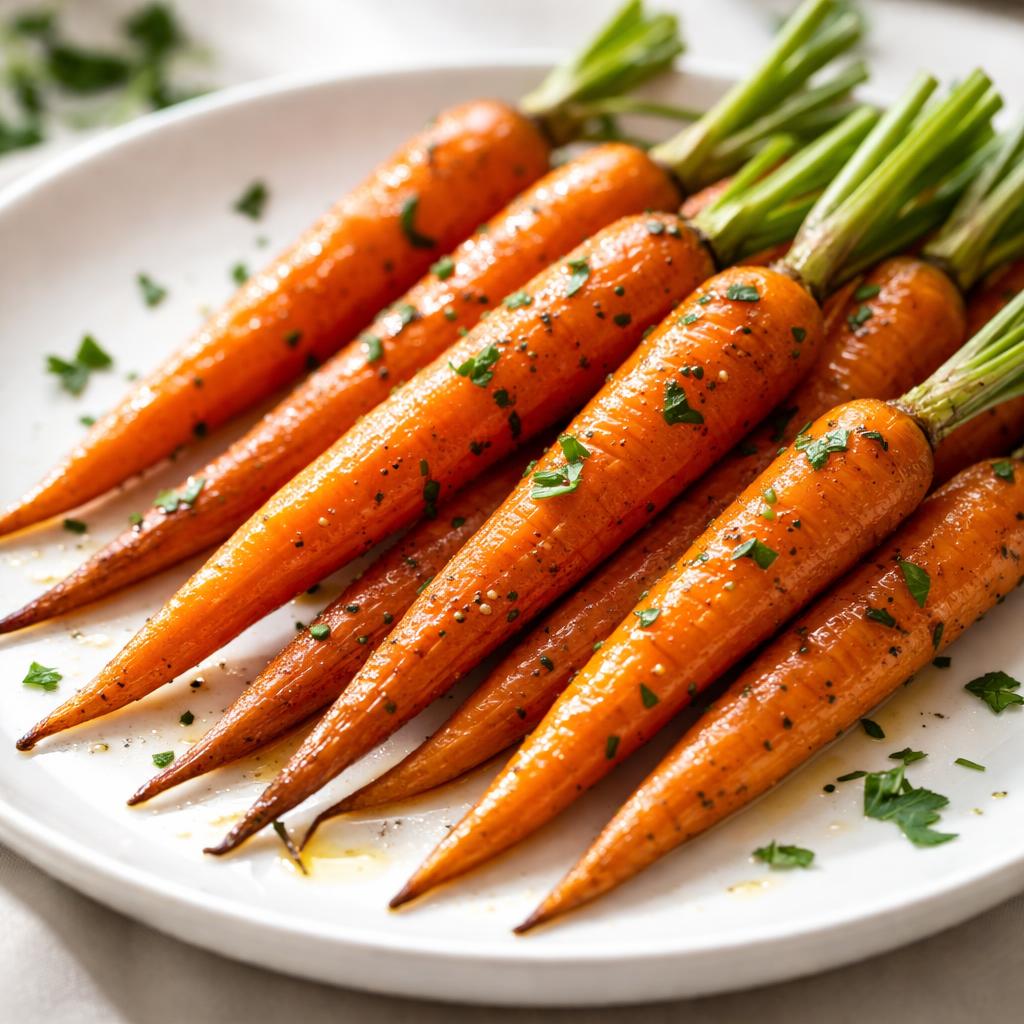
Baby Carrot
🎯 Quick Verdict
Bananas and baby carrots differ in their macronutrient profiles and vitamins. Baby carrots are lower in carbs and higher in fiber, making them ideal for digestion and weight management. Bananas are higher in potassium and natural sugars, offering quick energy boosts and electrolyte balance, especially for active lifestyles.

Smart Nutrition Tracking with SnapCalorie

📊 Nutritional Comparison
Macronutrients
| Nutrient | Food 1 | Food 2 | Winner |
|---|---|---|---|
| Calories | 89 per 100g | 40 per 100g | − |
| Protein | 1.1g per 100g | 0.5g per 100g | − |
| Carbs | 22.8g per 100g | 9.6g per 100g | − |
| Fat | 0.3g per 100g | 0.1g per 100g | − |
| Fiber | 2.6g per 100g | 2.8g per 100g | − |
Vitamins & Minerals
| Nutrient | Food 1 | Food 2 | Winner |
|---|---|---|---|
| Vitamin A | 64 IU | 16,706 IU | − |
| Vitamin C | 8.7mg per 100g | 3.6mg per 100g | − |
| Potassium | 358mg per 100g | 320mg per 100g | − |
🏆 Category Winners
Protein
Both foods contain minimal protein, with negligible differences.
Fiber
Baby carrots contain slightly more fiber per 100g.
Calories
Both foods are relatively low-calorie, though baby carrots have slightly fewer.
Vitamins
Baby carrots dominate in Vitamin A content, while bananas excel in potassium and Vitamin C.
🥗 Diet Compatibility
Keto
Food 1: Not Compatible
Food 2: Compatible
Baby carrots are lower in net carbs compared to bananas.
Vegan
Food 1: Compatible
Food 2: Compatible
Both foods are plant-based and suitable for vegan diets.
Gluten Free
Food 1: Compatible
Food 2: Compatible
Neither contains gluten, making both ideal for gluten-free diets.
Paleo
Food 1: Compatible
Food 2: Compatible
Both foods are natural and unprocessed, fitting paleo guidelines.
Low-Carb
Food 1: Not Compatible
Food 2: Compatible
Baby carrots have fewer carbs, suitable for low-carb diets.
💪 Health Benefits Comparison
Food 1 Benefits
- High in potassium to support electrolyte balance
- Provides natural sugars for quick energy needs
- Contains Vitamin C for immune health
Food 2 Benefits
- Excellent source of Vitamin A for eye and skin health
- High fiber content aids in digestion and weight management
- Low in calories and carbs, ideal for calorie-conscious eating
✅ The Bottom Line
Choose bananas for an energy boost and potassium replenishment, especially for athletes or those needing quick recovery. Opt for baby carrots when focusing on weight management, digestion, or skin health, as they are nutrient-dense and lower in carbs.
Choose Food 1 for: Quick energy, electrolyte balance, post-workout recovery
Choose Food 2 for: Weight loss, digestive health, vision support


