Banana VS Avocado
A detailed nutritional comparison
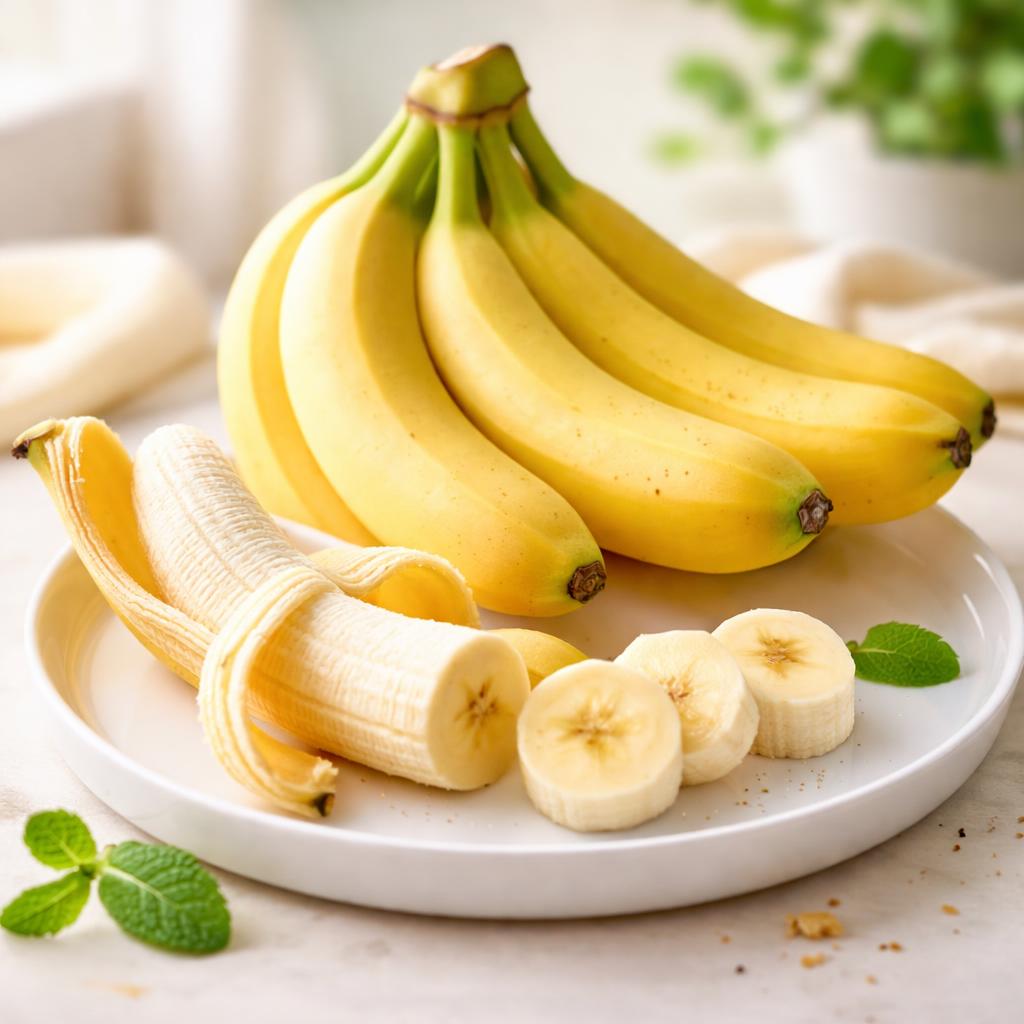
Banana
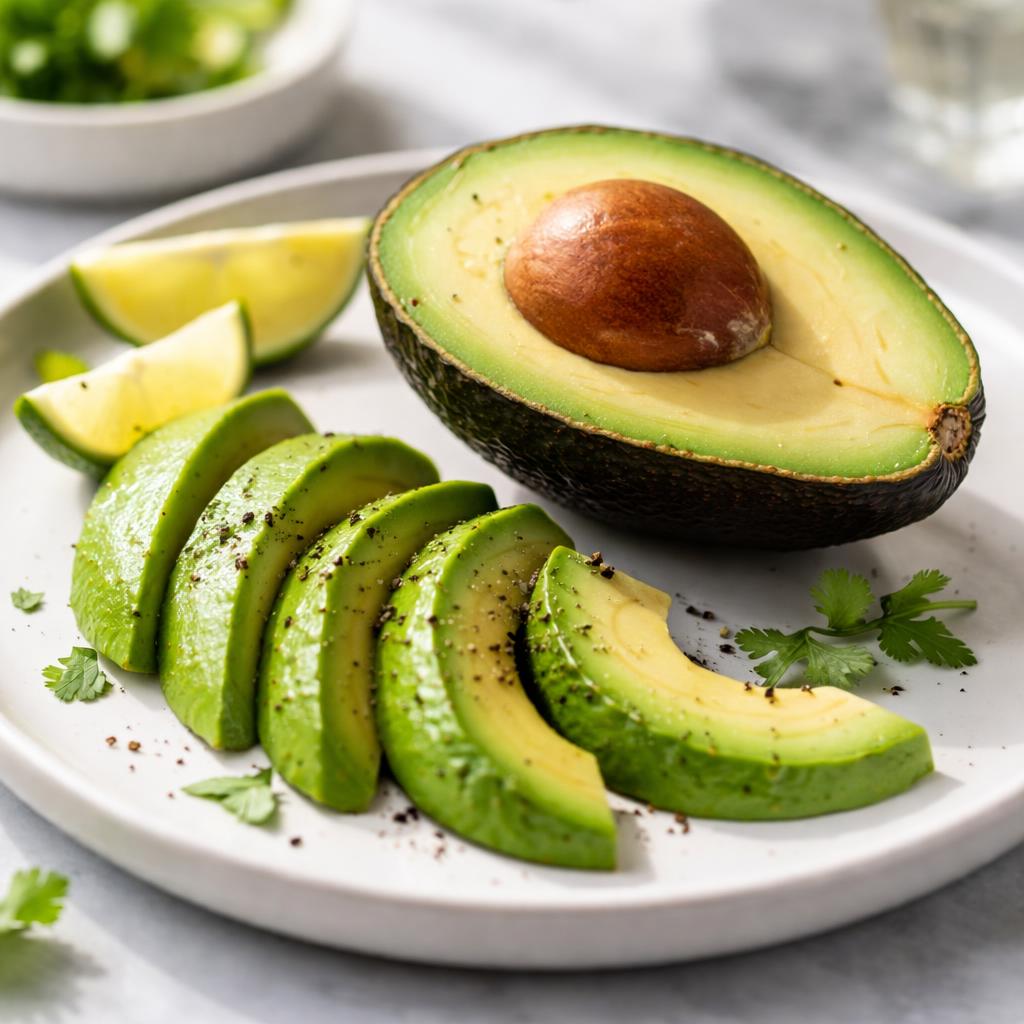
Avocado
🎯 Quick Verdict
While bananas are lower in calories and carbs, avocados excel in protein, fiber, and heart-healthy fats. Bananas are better suited for quick energy, while avocados provide sustained nourishment and are ideal for weight management and heart health due to their nutrient density.

Smart Nutrition Tracking with SnapCalorie

📊 Nutritional Comparison
Macronutrients
| Nutrient | Food 1 | Food 2 | Winner |
|---|---|---|---|
| Calories | 105 | 160 | ✓ |
| Protein | 1.3g | 2g | ✓ |
| Carbs | 27g | 9g | ✓ |
| Fat | 0.3g | 15g | ✓ |
| Fiber | 3.1g | 7g | ✓ |
Vitamins & Minerals
| Nutrient | Food 1 | Food 2 | Winner |
|---|---|---|---|
| Vitamin C | 10mg | 10mg | − |
| Vitamin D | 0mcg | 0mcg | − |
| Vitamin K | 0.5mcg | 21mcg | ✓ |
| Potassium | 422mg | 485mg | ✓ |
| Iron | 0.3mg | 0.6mg | ✓ |
🏆 Category Winners
Protein
Avocados contain 54% more protein per serving relative to bananas.
Fiber
Avocados provide more than double the fiber content per serving compared to bananas.
Calories
Bananas have 34% fewer calories per serving than avocados.
Vitamins
Avocados are richer in Vitamin K, potassium, and iron compared to bananas.
🥗 Diet Compatibility
Keto
Food 1: Not Compatible
Food 2: Compatible
Avocados are low-carb and high-fat, which aligns with ketogenic diets.
Vegan
Food 1: Compatible
Food 2: Compatible
Both foods are plant-based and free from animal products.
Gluten Free
Food 1: Compatible
Food 2: Compatible
Neither food contains gluten.
Paleo
Food 1: Compatible
Food 2: Compatible
Both are natural, whole foods suitable for paleo diets.
Low-Carb
Food 1: Not Compatible
Food 2: Compatible
Avocados have only 9g of carbs per serving, suitable for low-carb diets.
💪 Health Benefits Comparison
Food 1 Benefits
- Provides quick energy from carbs, ideal for athletes
- Rich in potassium for muscle and nerve function
- Contains Vitamin B6 for immune and brain health
- Low in fat, suitable for calorie-conscious diets
Food 2 Benefits
- High in monounsaturated fats for heart health
- Excellent source of fiber for digestion and satiety
- Rich in potassium for blood pressure regulation
- Provides Vitamin K for bone health
✅ The Bottom Line
Choose bananas for quick energy and lower calorie needs, especially for active lifestyles. Opt for avocados when seeking sustained energy, nutrient density, and heart-healthy fats. Both foods are versatile, but their uses vary depending on dietary goals.
Choose Food 1 for: Pre-workout energy, quick breakfast options, smoothies
Choose Food 2 for: Heart health, weight management, keto and low-carb diets


