Banana VS Aveia
A detailed nutritional comparison
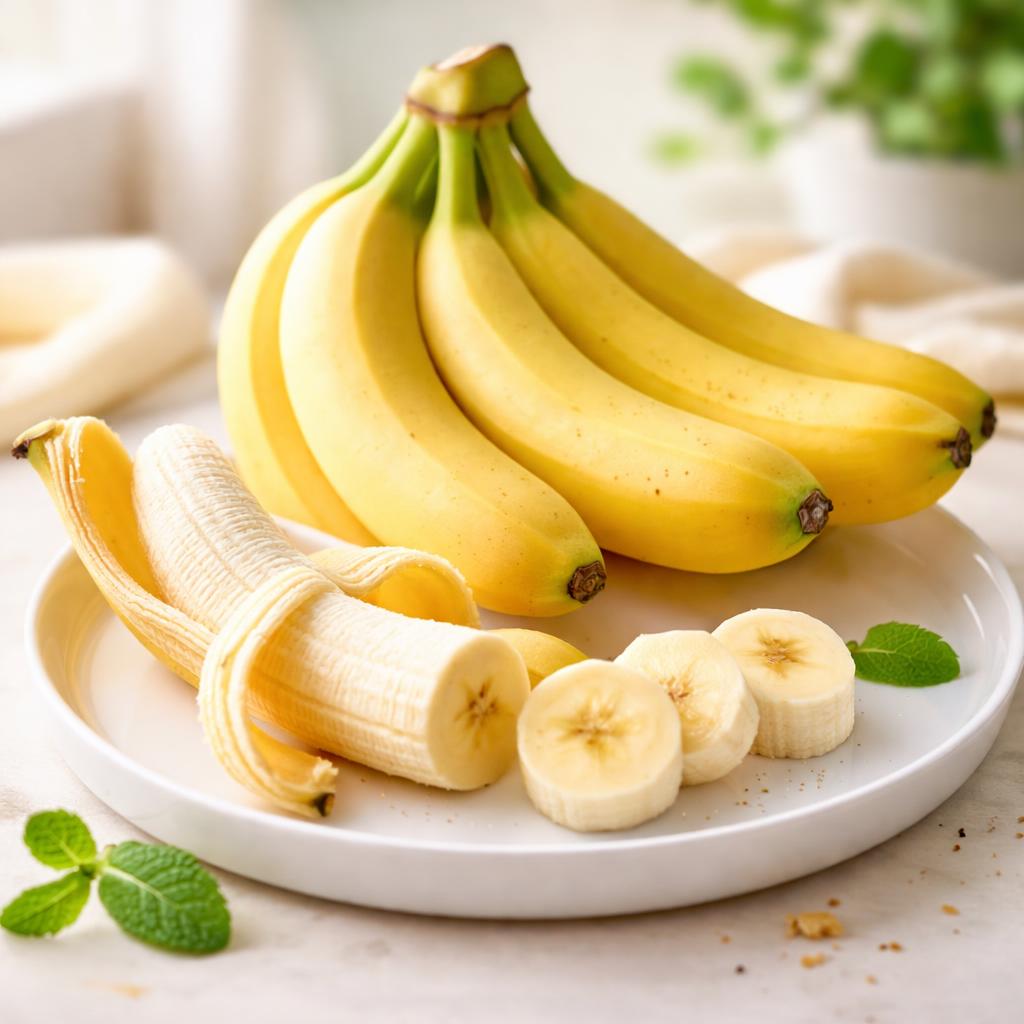
Banana
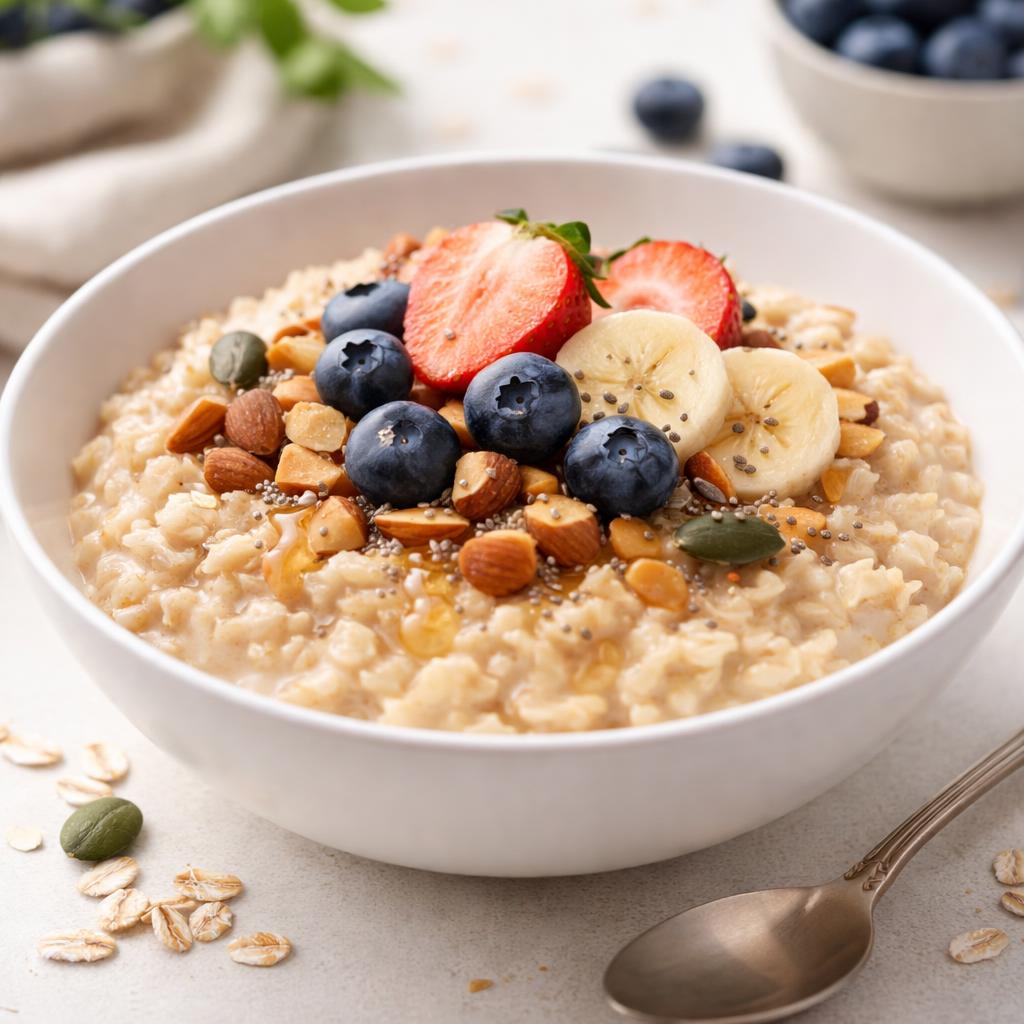
Aveia
🎯 Quick Verdict
Bananas and oats (aveia) both provide meaningful nutritional benefits, but they serve different purposes. Bananas are lower in calories and rich in quick-digesting carbohydrates, making them ideal for energy boosts. Oats, on the other hand, are higher in both protein and fiber, contributing to sustained fullness and better digestion. Both are excellent choices, depending on your dietary needs and goals.

Smart Nutrition Tracking with SnapCalorie

📊 Nutritional Comparison
Macronutrients
| Nutrient | Food 1 | Food 2 | Winner |
|---|---|---|---|
| Calories | 105 | 150 | ✓ |
| Protein | 1.3g | 5.2g | ✓ |
| Carbs | 27g | 27g | − |
| Fat | 0.3g | 3g | ✓ |
| Fiber | 3.1g | 4g | ✓ |
Vitamins & Minerals
| Nutrient | Food 1 | Food 2 | Winner |
|---|---|---|---|
| Vitamin C | 10.3mg | 0mg | ✓ |
| Vitamin B6 | 0.4mg | 0.04mg | ✓ |
| Iron | 0.3mg | 1.5mg | ✓ |
| Magnesium | 27mg | 50mg | ✓ |
| Potassium | 422mg | 140mg | ✓ |
🏆 Category Winners
Protein
Oats have significantly more protein (5.2g vs 1.3g per serving).
Fiber
Food2 provides about 29% more fiber compared to food1.
Calories
Bananas are lower in calories, with only 105 per serving versus 150 for oats.
Vitamins
Bananas are particularly rich in Vitamin C and Vitamin B6, unlike oats.
🥗 Diet Compatibility
Keto
Food 1: Not Compatible
Food 2: Not Compatible
Both foods are high in carbs, which are not suitable for keto diets.
Vegan
Food 1: Compatible
Food 2: Compatible
Both foods are plant-based and vegan-friendly.
Gluten Free
Food 1: Compatible
Food 2: Conditionally Compatible
Bananas are naturally gluten-free, while oats need certification to ensure no cross-contamination.
Paleo
Food 1: Compatible
Food 2: Not Compatible
Bananas align with paleo guidelines; oats are not typically allowed on a paleo diet.
Low Carb
Food 1: Not Compatible
Food 2: Not Compatible
Both foods contain more than 20g of carbs per serving, making them unsuitable for strict low-carb diets.
💪 Health Benefits Comparison
Food 1 Benefits
- Rich source of potassium for heart health and muscle function
- Provides quick-digesting carbohydrates for energy
- Contains Vitamin C to boost the immune system
- Supports digestion with prebiotic fibers
Food 2 Benefits
- High in protein to promote muscle repair and maintenance
- Rich in soluble fiber for improved digestion and cholesterol lowering
- Provides beta-glucans that help regulate blood sugar levels
- Good source of minerals like magnesium and iron for bone and red blood cell support
✅ The Bottom Line
Choose bananas when you need quick energy, Vitamin C, or potassium, particularly before or after workouts. Oats are a better choice for sustained satiety, improving digestion, and enhancing nutrient density when making a hearty meal. In some cases, combining both can provide balance.
Choose Food 1 for: Pre-workout energy, fruit snacking, smoothie boosts
Choose Food 2 for: Breakfast porridge, high-protein snacks, long-lasting meals


