Banana VS Apfel
A detailed nutritional comparison
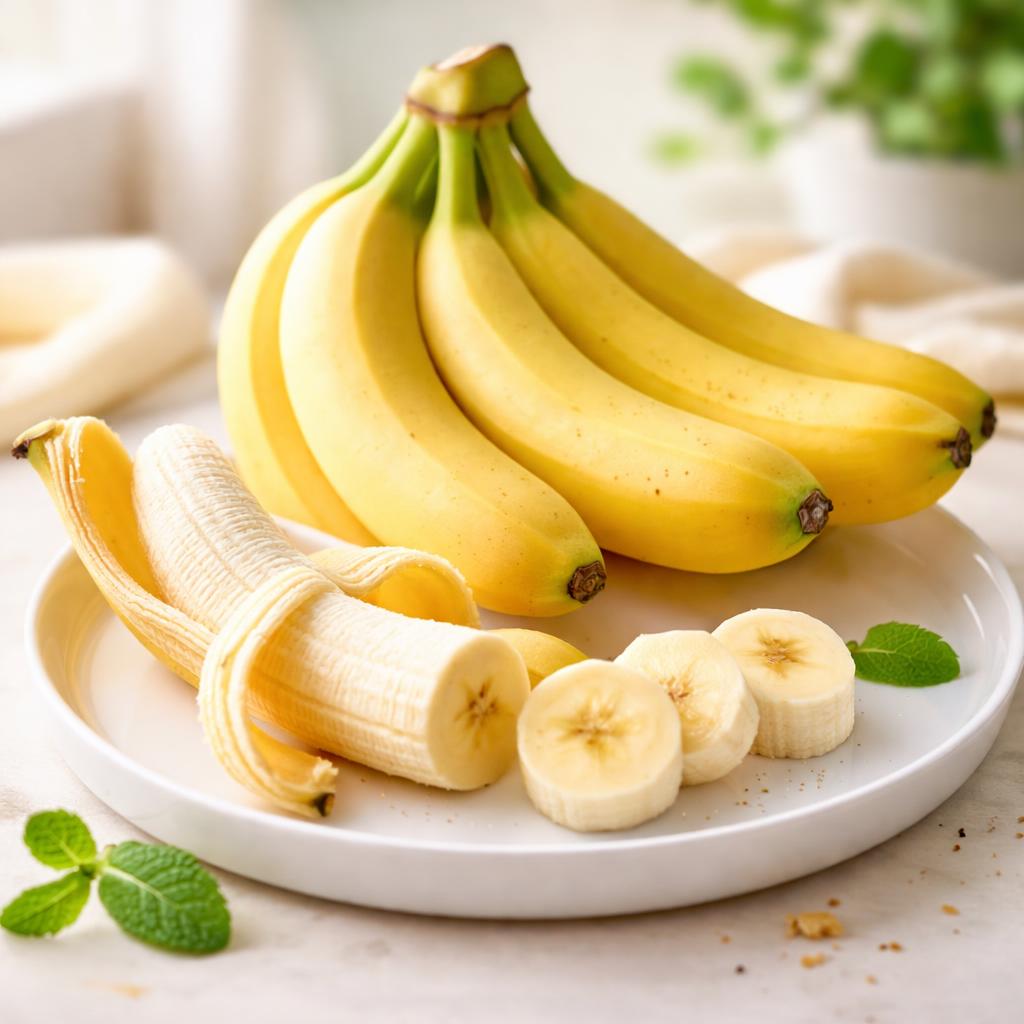
Banana
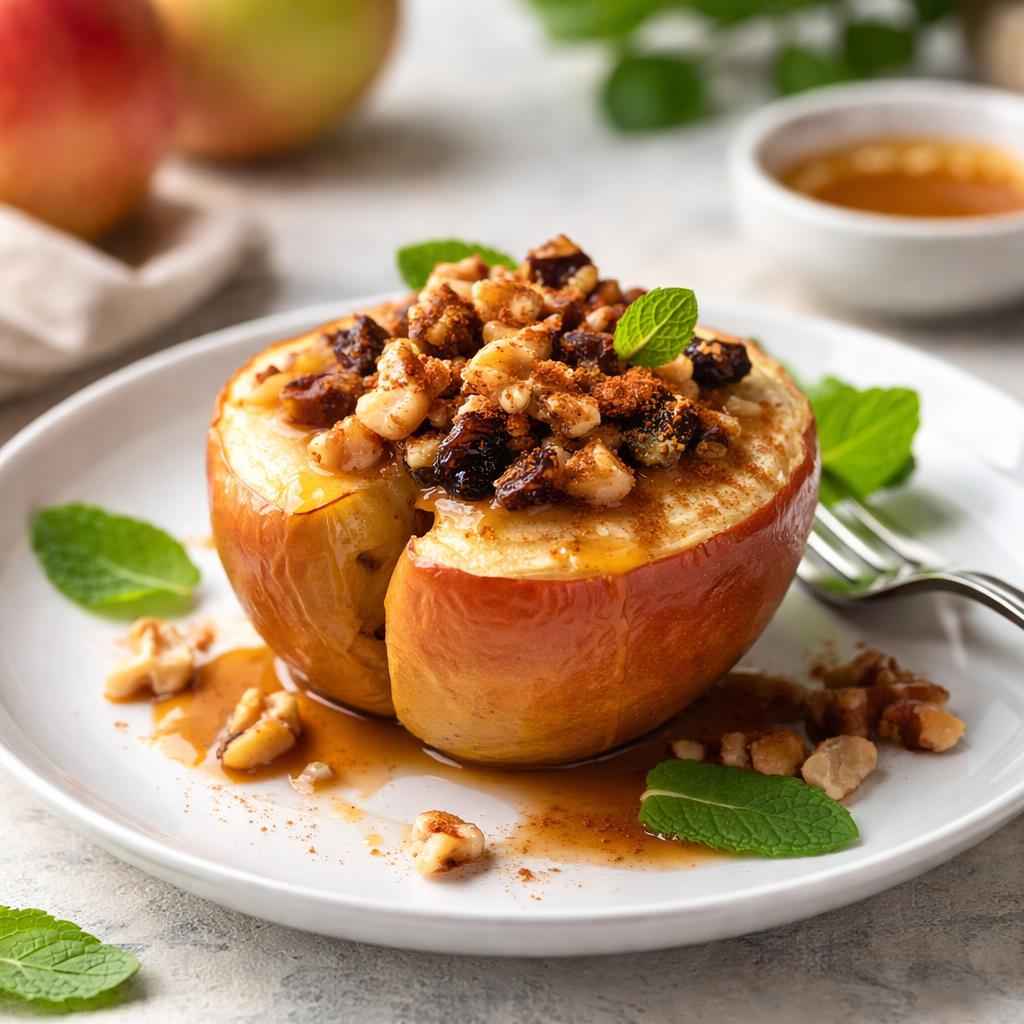
Apfel
🎯 Quick Verdict
Bananas and apples are both nutritious fruits, but they differ in slight nutritional values. Bananas offer slightly more calories, protein, and fiber, making them better for sustained energy and digestion. Apples, on the other hand, are lower in carbohydrates and offer more antioxidants, making them ideal for light snacking and overall health maintenance.

Smart Nutrition Tracking with SnapCalorie

📊 Nutritional Comparison
Macronutrients
| Nutrient | Food 1 | Food 2 | Winner |
|---|---|---|---|
| Calories | 105 | 95 | − |
| Protein | 1.3g | 0.5g | − |
| Carbs | 27g | 25g | − |
| Fat | 0.3g | 0.3g | − |
| Fiber | 3.1g | 2.4g | − |
Vitamins & Minerals
| Nutrient | Food 1 | Food 2 | Winner |
|---|---|---|---|
| Vitamin C | 10mg | 8.4mg | − |
| Vitamin A | 76IU | 98IU | − |
| Potassium | 422mg | 195mg | − |
| Calcium | 6mg | 6mg | − |
| Iron | 0.3mg | 0.1mg | − |
🏆 Category Winners
Protein
Banana has 160% more protein per serving than apple.
Fiber
Banana contains 30% more fiber than apple, which aids digestion.
Calories
Apple provides fewer calories, making it better for calorie-conscious diets.
Vitamins
Both offer unique vitamin profiles; banana is richer in vitamin C and potassium, while apple has slightly more vitamin A.
🥗 Diet Compatibility
Keto
Food 1: Unknown
Food 2: Unknown
Both are high in carbohydrates and unsuitable for strict keto diets.
Vegan
Food 1: Unknown
Food 2: Unknown
Both are plant-based and vegan-friendly.
Gluten Free
Food 1: Unknown
Food 2: Unknown
Neither contains gluten.
Paleo
Food 1: Unknown
Food 2: Unknown
Both are acceptable for paleo diets as whole fruits.
Low-Carb
Food 1: Unknown
Food 2: Unknown
Apple is slightly lower in carbs than banana but still high for strict low-carb diets.
💪 Health Benefits Comparison
Food 1 Benefits
Food 2 Benefits
✅ The Bottom Line
Bananas and apples are both great choices depending on your goals. For energy and digestion support, bananas are excellent due to their higher fiber and potassium content. Apples are a lighter option, ideal for snacking and calorie-conscious diets due to their lower calorie count and antioxidant profile.


