Banana VS Almond
A detailed nutritional comparison
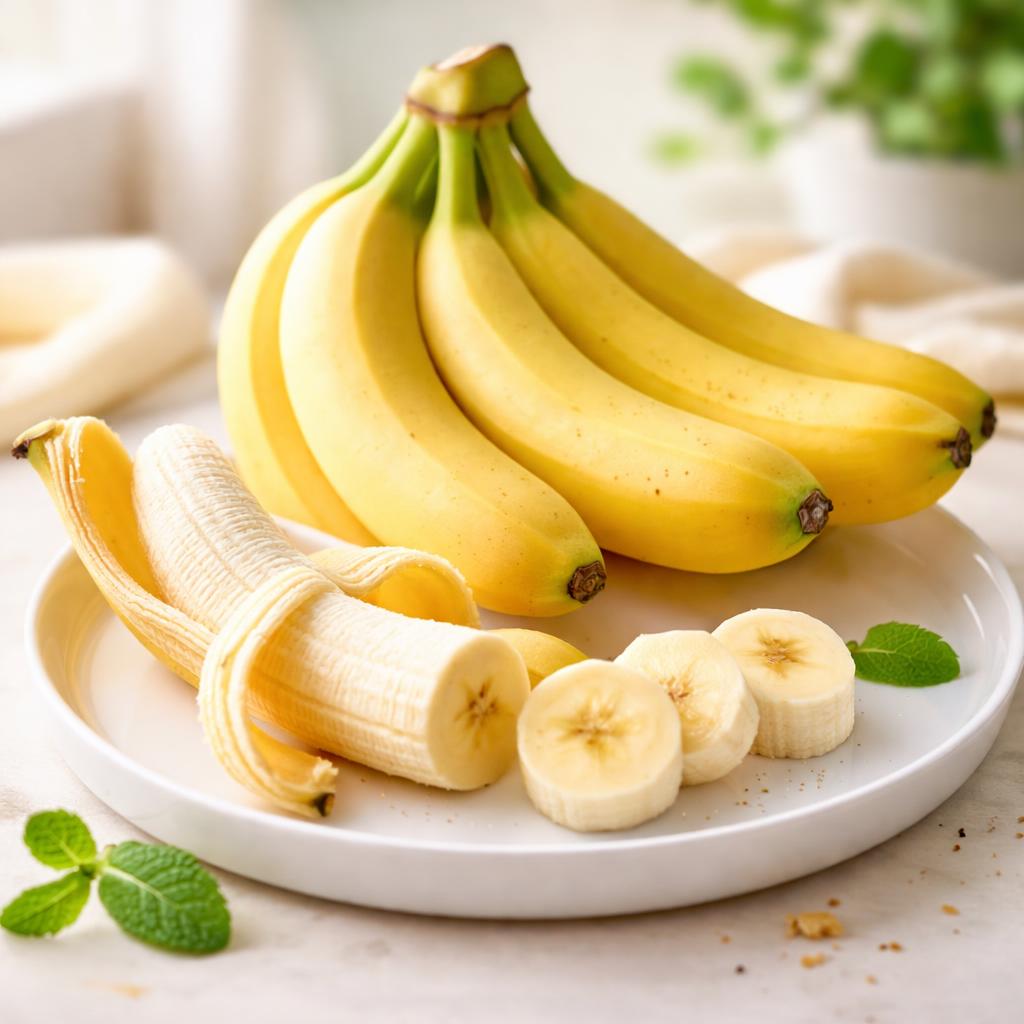
Banana
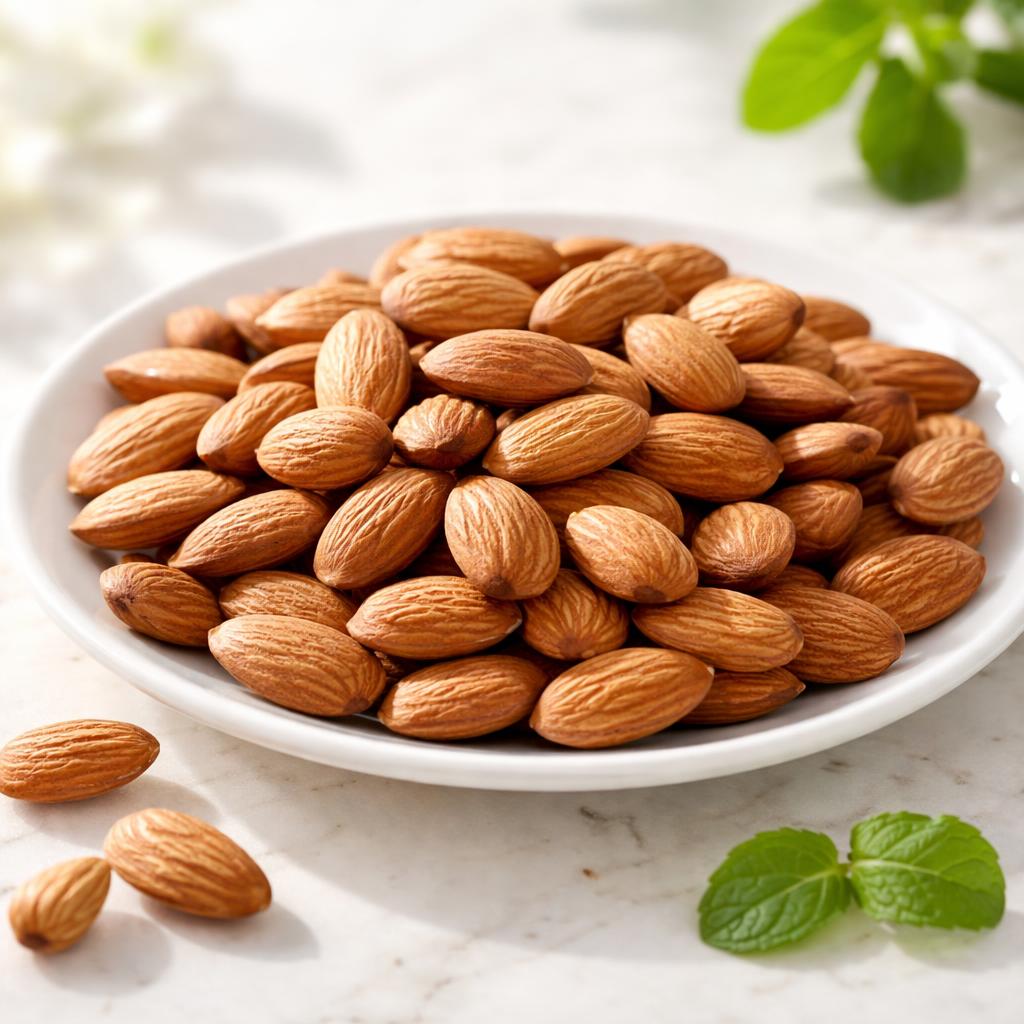
Almond
🎯 Quick Verdict
Bananas are a great source of quick energy due to higher natural sugars and fewer calories, while almonds provide more protein, healthy fats, and fiber, making them better for sustained energy and satiety. Choose bananas for pre/post-workout fuel, and almonds for longer-lasting nutrition or heart health support.

Smart Nutrition Tracking with SnapCalorie

📊 Nutritional Comparison
Macronutrients
| Nutrient | Food 1 | Food 2 | Winner |
|---|---|---|---|
| Calories | 105 | 164 | ✓ |
| Protein | 1.3g | 6g | ✓ |
| Carbs | 27g | 6g | ✓ |
| Fat | 0.3g | 14g | ✓ |
| Fiber | 3.1g | 3.5g | ✓ |
Vitamins & Minerals
| Nutrient | Food 1 | Food 2 | Winner |
|---|---|---|---|
| Vitamin D | 0mcg | 0mcg | − |
| Vitamin C | 10mg | 0mg | ✓ |
| Calcium | 5mg | 76mg | ✓ |
| Iron | 0.31mg | 1.0mg | ✓ |
| Potassium | 422mg | 200mg | ✓ |
🏆 Category Winners
Protein
Almonds have nearly 5 times more protein compared to bananas.
Fiber
Although close, almonds slightly edge out bananas in fiber content.
Calories
Bananas are about 36% lower in calories per serving.
Vitamins
Bananas excel in Vitamin C and potassium, while almonds have more calcium and iron.
🥗 Diet Compatibility
Keto
Food 1: Not Compatible
Food 2: Compatible
Bananas are high-carb (27g per serving), while almonds are low-carb and contain healthy fats.
Vegan
Food 1: Compatible
Food 2: Compatible
Both foods are plant-based and suitable for vegan diets.
Gluten Free
Food 1: Compatible
Food 2: Compatible
Both foods are naturally gluten-free.
Paleo
Food 1: Compatible
Food 2: Compatible
Neither food contains processed ingredients, fitting paleo guidelines.
Low-Carb
Food 1: Not Compatible
Food 2: Compatible
Bananas are high in carbohydrates, while almonds are much lower.
💪 Health Benefits Comparison
Food 1 Benefits
- Great source of potassium for heart and muscle health
- Provides natural sugars for quick energy boosts
- Rich in Vitamin C to support immunity and skin health
- Contains fiber to aid digestion
Food 2 Benefits
- Packed with protein for muscle repair and satiety
- High in healthy monounsaturated fats to support cardiovascular health
- Provides magnesium and calcium for bone health
- Contains antioxidants like vitamin E, which help reduce inflammation
✅ The Bottom Line
Bananas are ideal for quick energy boosts during workouts or as a low-calorie snack, while almonds excel as a nutrient-dense option for extended satiety, heart health, and low-carb diets. Choose bananas for active lifestyles and almonds for sustained nutrition and overall health support.
Choose Food 1 for: Pre/post-workout energy, low-calorie snacking, immunity boost
Choose Food 2 for: Heart health, sustained energy, low-carb diets, satiety


